





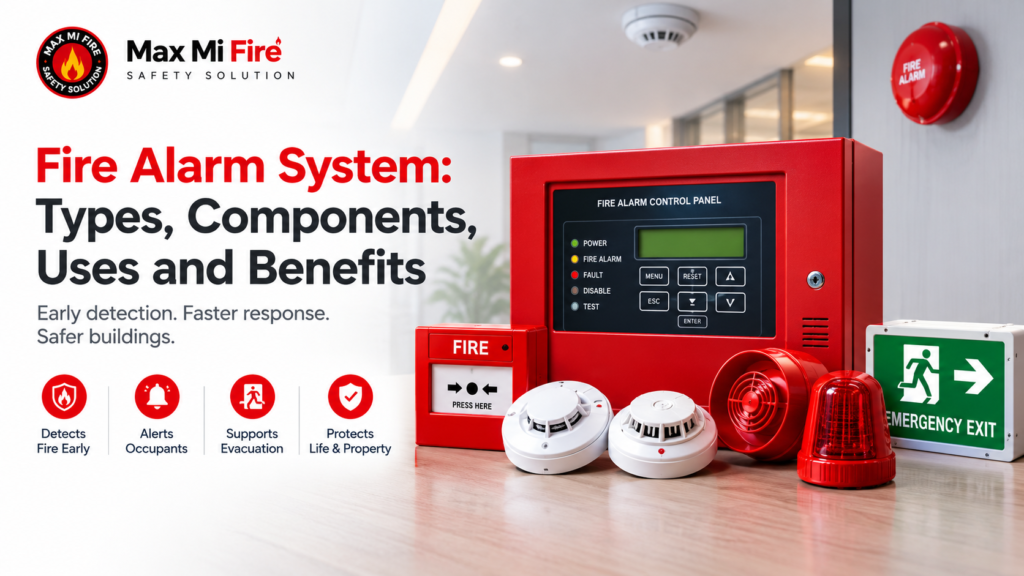
Fire Alarm System: Types, Components, Uses and Benefits
Fire safety plays an important role in protecting people, buildings and valuable equipment. A reliable fire alarm system detects signs of fire and alerts people so they can take appropriate action. Therefore, offices, factories, warehouses, hospitals and commercial buildings need suitable fire detection and alarm solutions.
Max Fire Safety offers fire safety and firefighting equipment to help businesses meet their fire protection needs. In this guide, you will learn about fire alarm system types, major components, applications and benefits.
What Is a Fire Alarm System?
A fire alarm system detects signs of fire, such as smoke or excessive heat, and alerts building occupants. Depending on its design, the system may activate sounders, visual alarms and other connected safety equipment.
Moreover, an effective fire alarm system helps people recognize danger early and begin evacuation procedures. However, the system works best when building owners combine it with an emergency plan, regular maintenance and suitable fire protection equipment.
Types of Fire Alarm Systems
Building owners can choose from different fire alarm systems according to their building layout, fire risks and operational needs.
1. Conventional Fire Alarm System
A conventional fire alarm system divides a building into different zones. When a detector activates an alarm, the control panel identifies the affected zone.
For example, small offices, shops and certain commercial buildings may use conventional systems when their design and applicable requirements permit them. In addition, these systems can offer a practical solution for buildings with relatively simple layouts.
2. Addressable Fire Alarm System
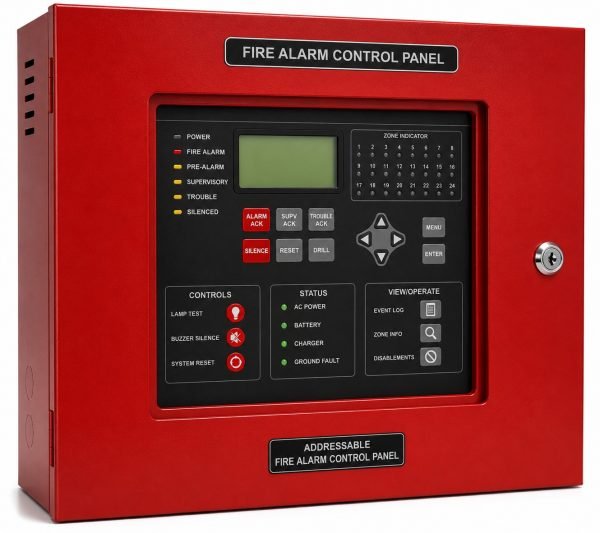
An addressable fire alarm system assigns an individual address to each compatible device. As a result, the control panel can identify the specific detector or device that reports an alarm.
Furthermore, this feature helps facility managers and emergency teams locate the source of an alarm more quickly. Large offices, hotels, hospitals and industrial facilities may benefit from addressable systems, depending on their fire protection requirements.
Main Components of a Fire Alarm System
A fire alarm system uses several components to detect danger and alert occupants. Each component performs a specific function.
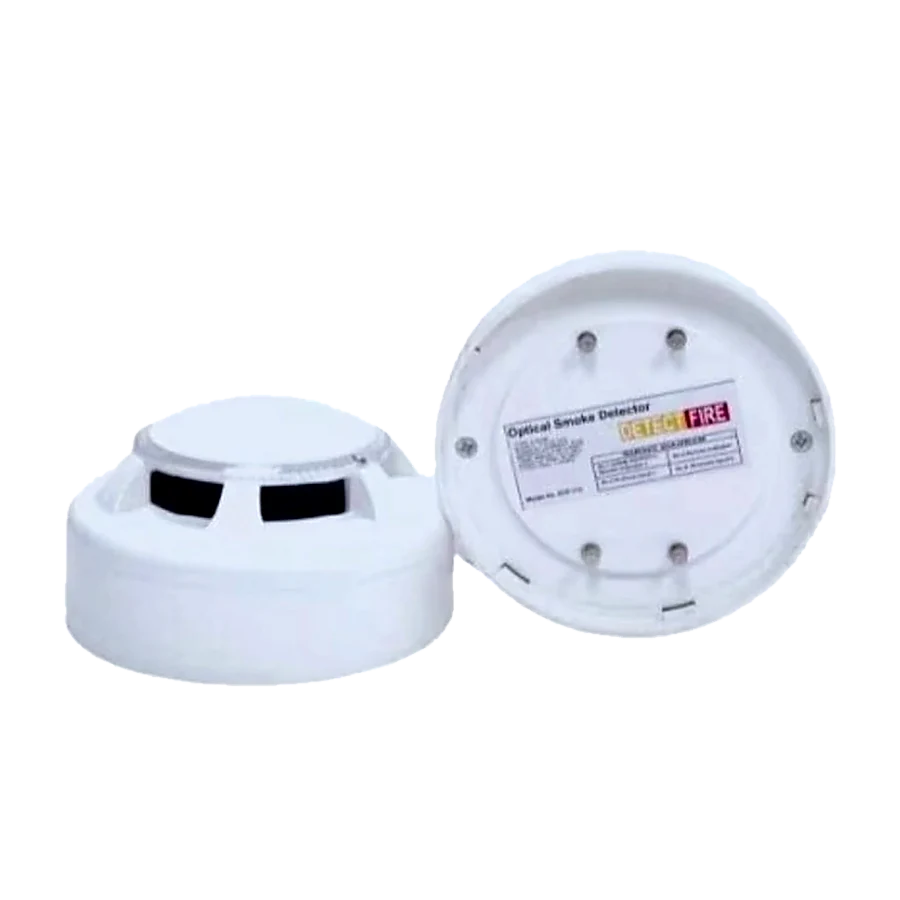
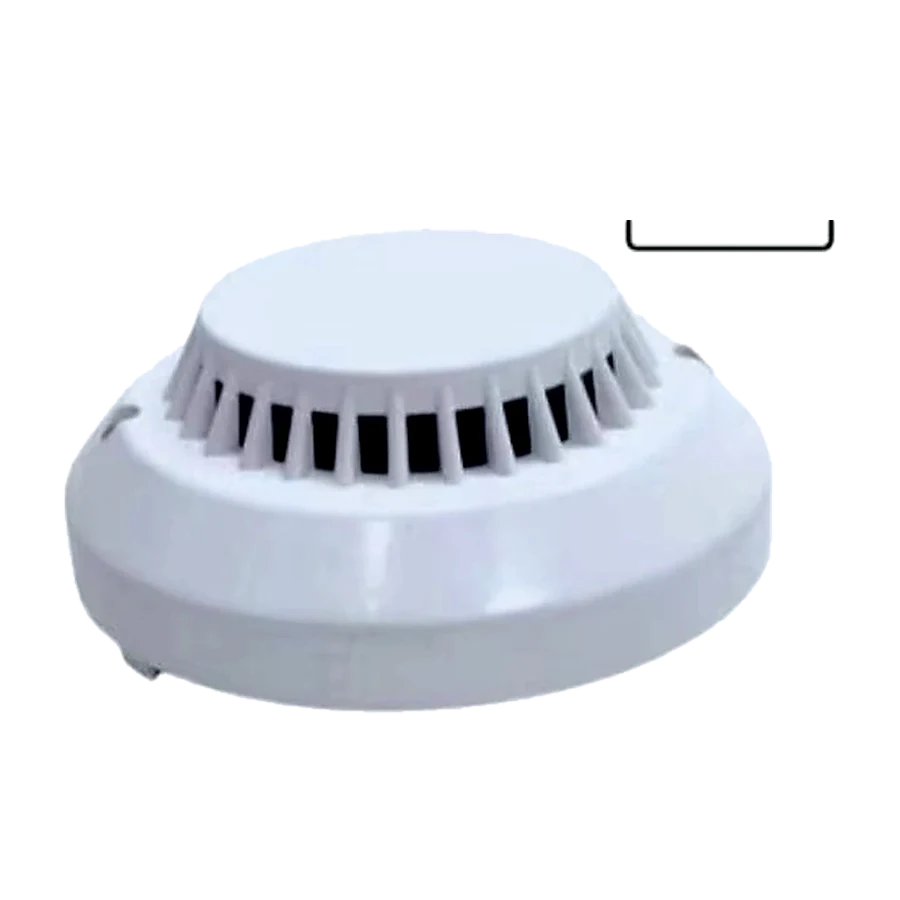
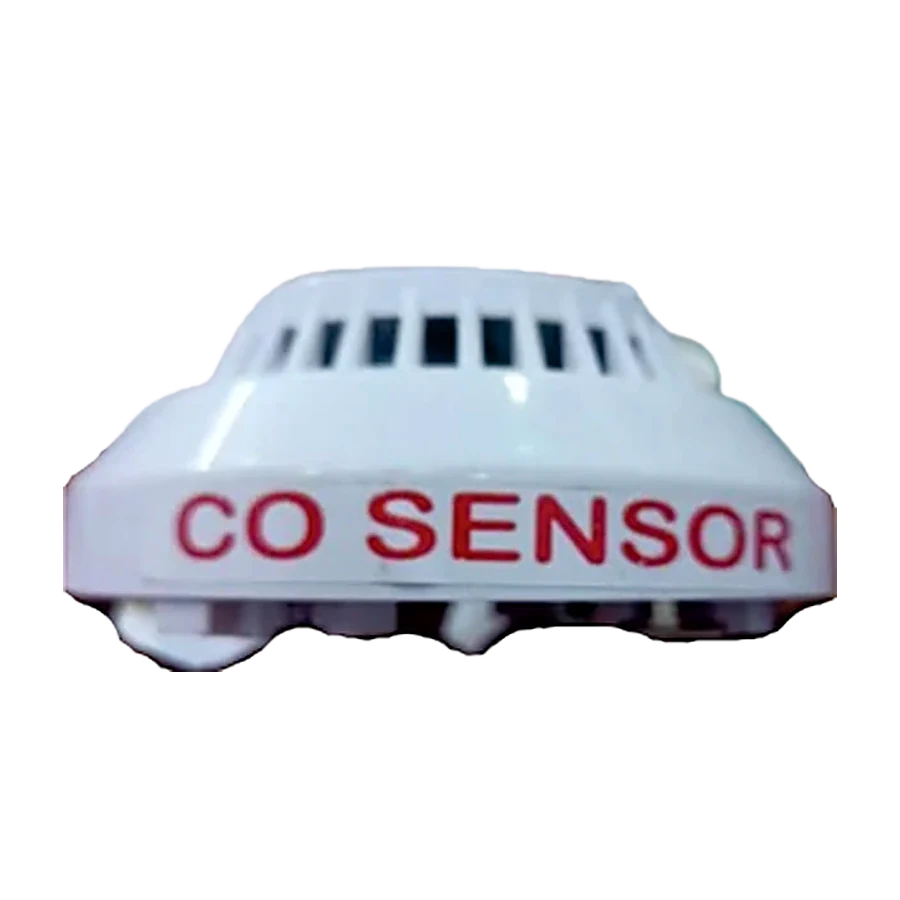
1. Smoke Detector
A smoke detector senses smoke and sends a signal to the fire alarm system when conditions meet its configured detection criteria.
For instance, installers commonly place suitable smoke detectors in offices, corridors and other indoor areas. However, they must consider dust, steam, airflow and other environmental conditions when selecting detector types and locations.
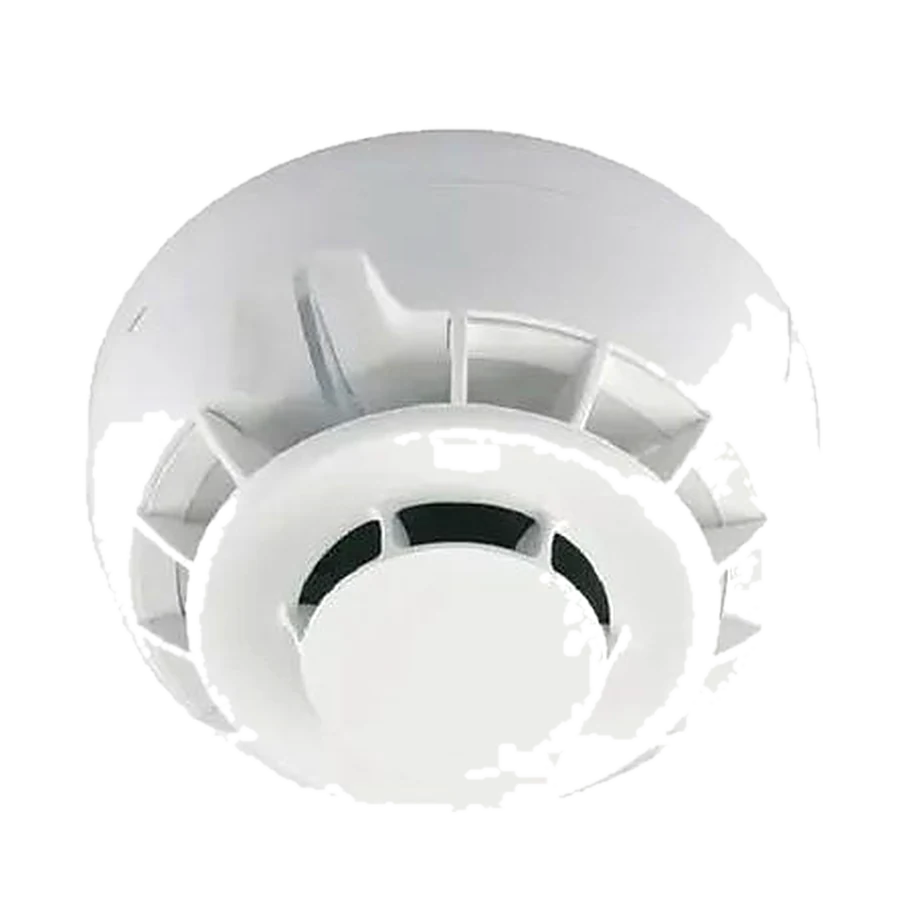
2. Heat Detector
A heat detector responds to a specified temperature or rate of temperature rise, depending on its design.
Therefore, installers may choose heat detectors for certain areas where smoke detectors could produce unwanted alarms. The correct choice depends on the environment and the approved fire alarm design.
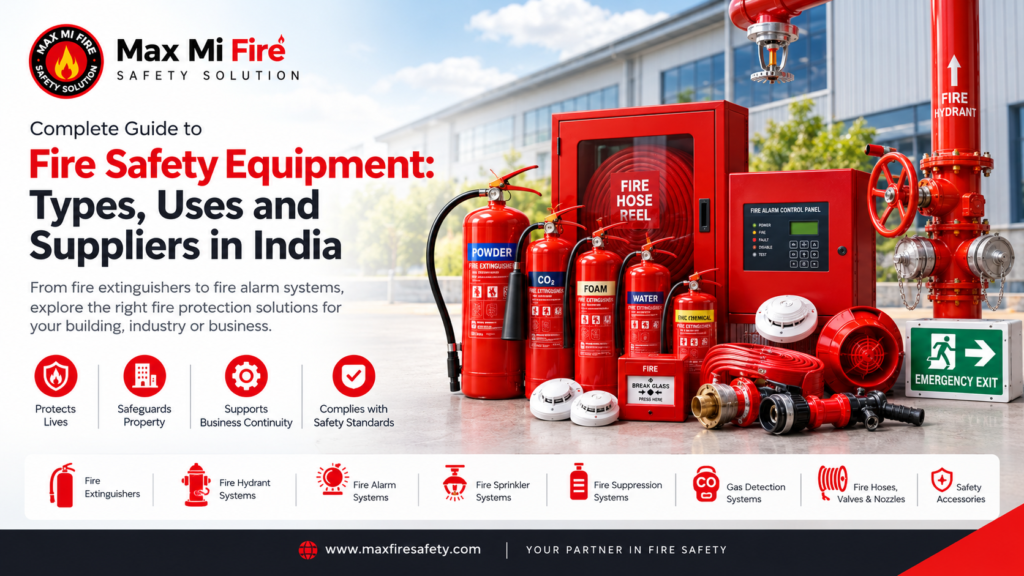
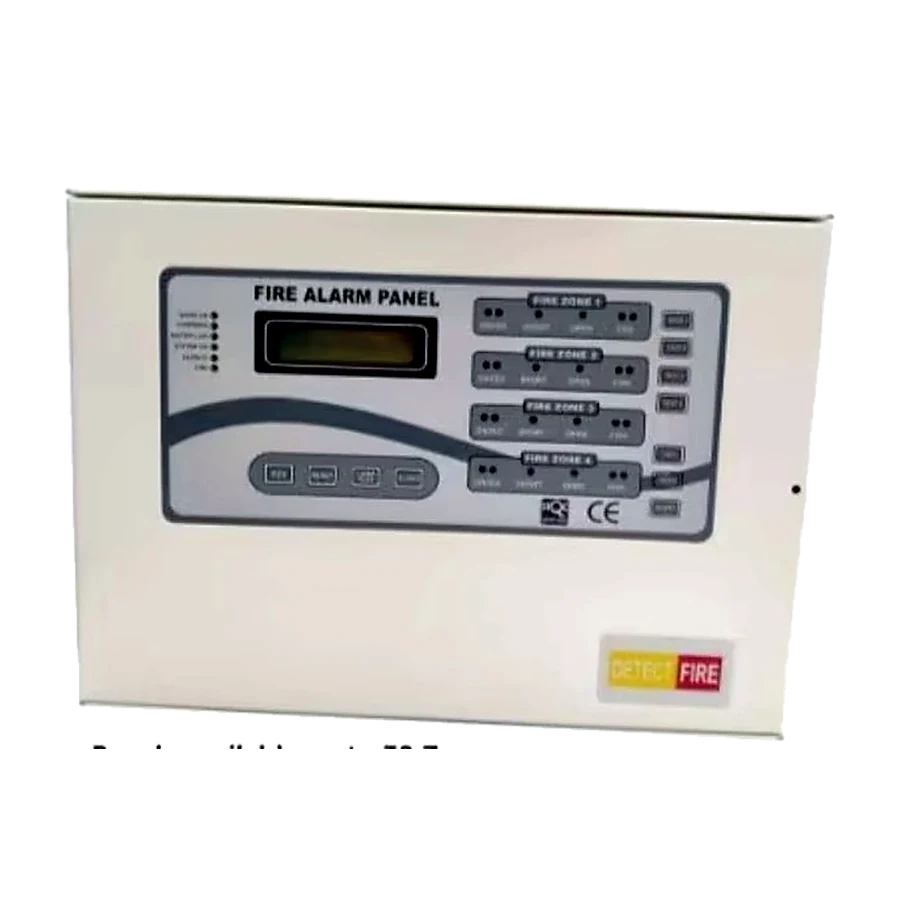
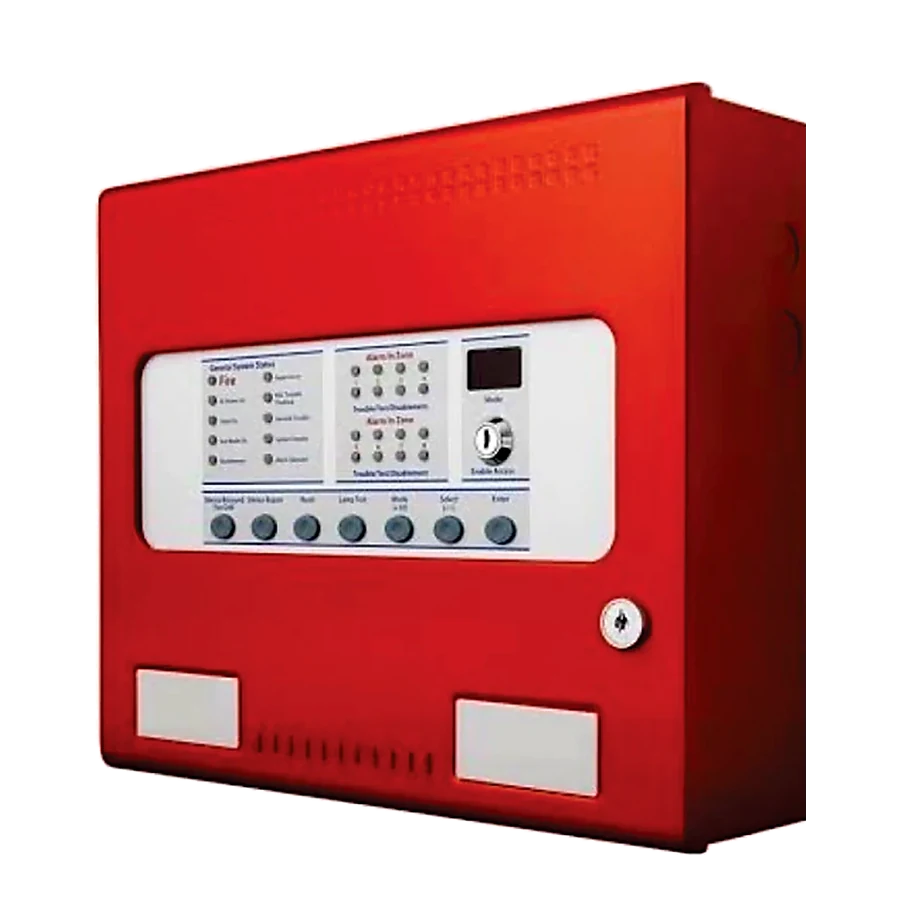
3. Fire Alarm Control Panel
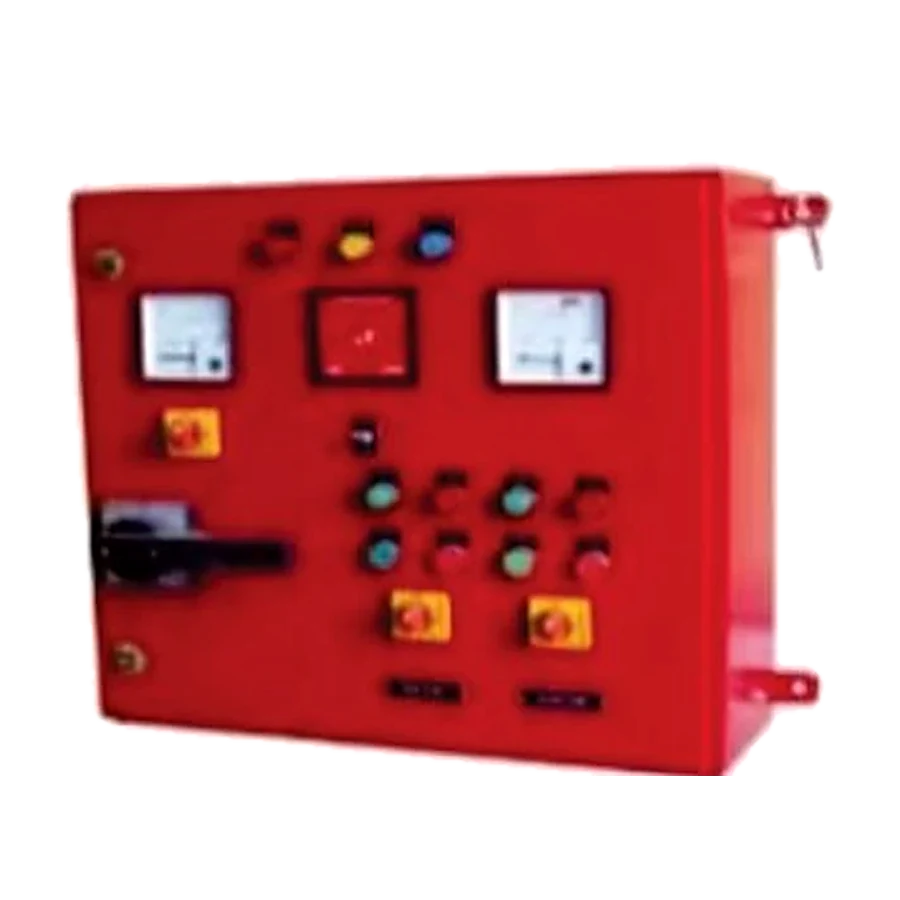
The fire alarm control panel receives signals from connected detectors and devices. It then processes those signals and activates the configured alarm outputs.
Additionally, the panel can help authorized personnel identify alarm conditions and system faults. Always select a compatible panel that meets the building’s design and safety requirements.
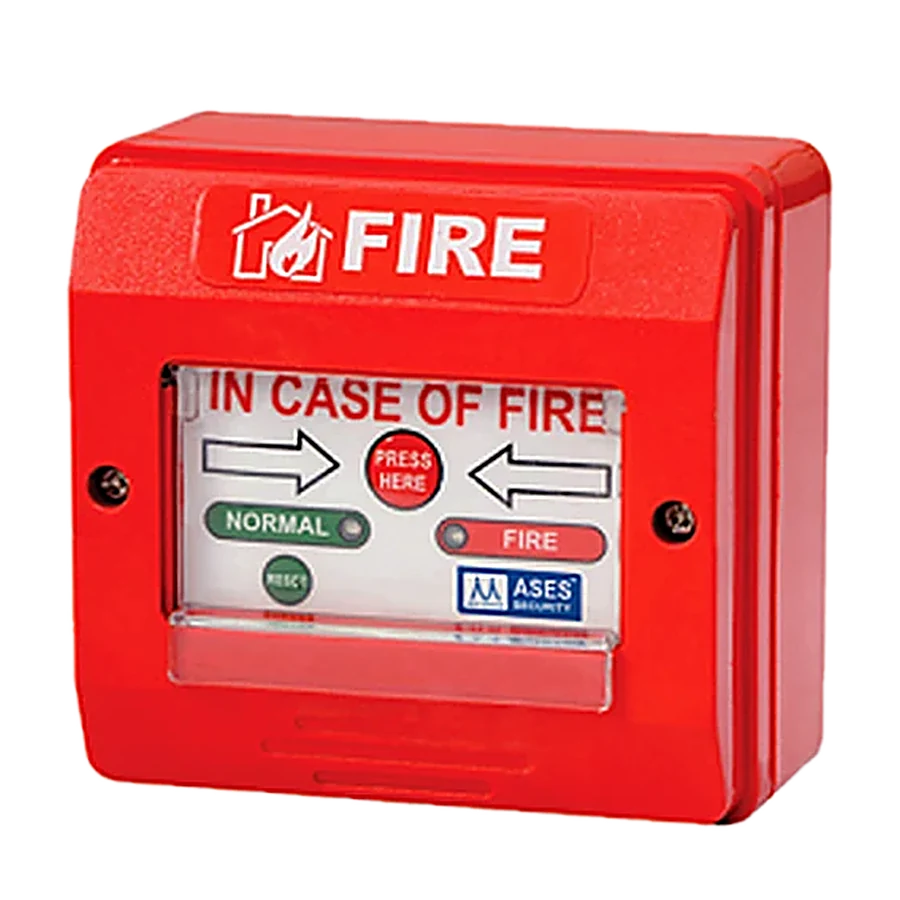
4. Manual Call Point
A manual call point allows a person to activate the fire alarm after discovering a fire. Installers place these devices at designated, accessible locations according to the approved system design.
As a result, occupants can raise the alarm without waiting for an automatic detector to respond.
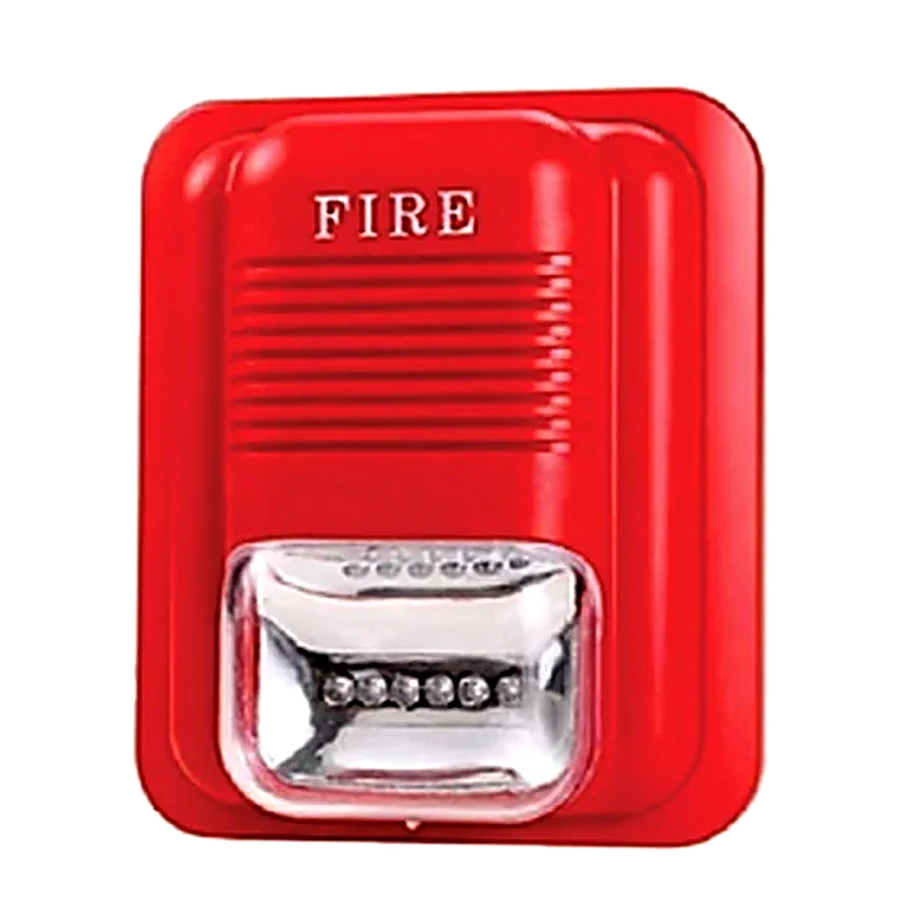
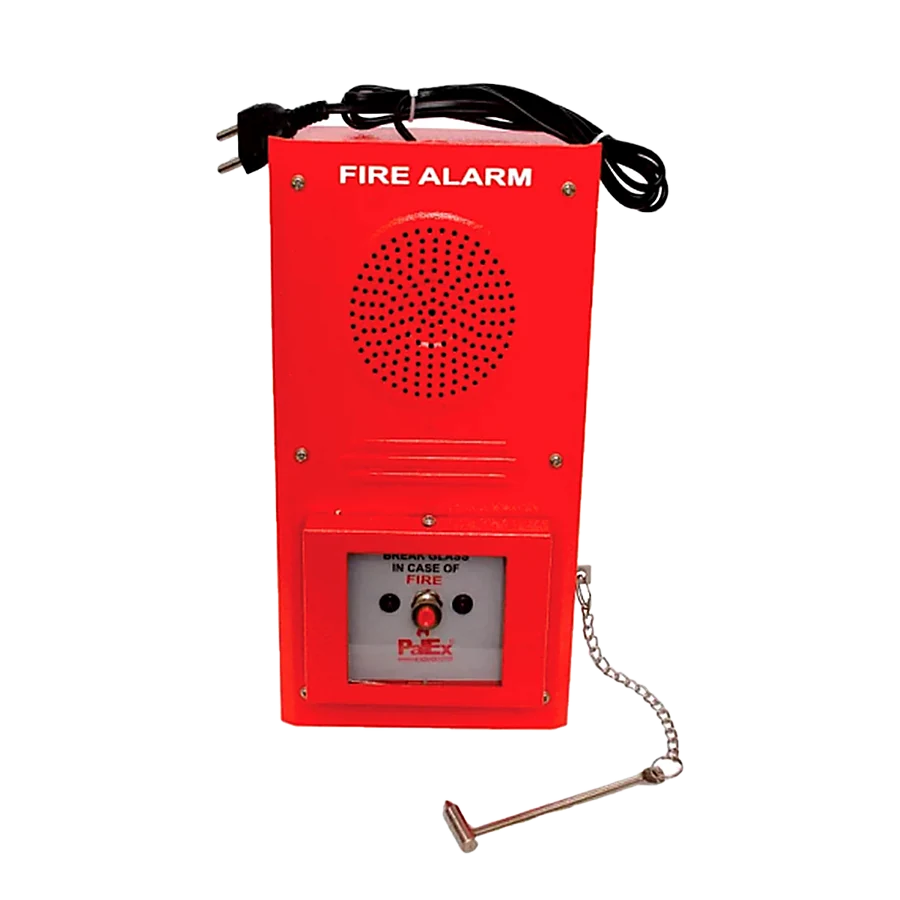
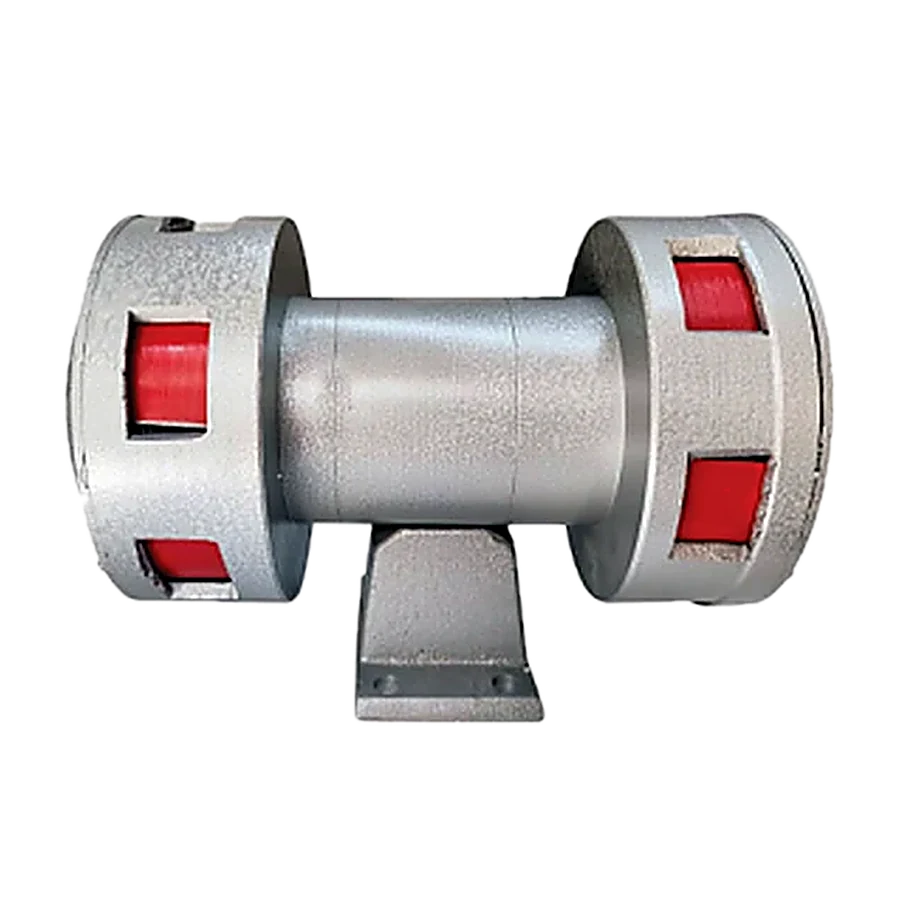
5. Fire Alarm Hooter and Sounder
A fire alarm hooter or sounder produces an audible warning when the system activates an alarm. Some installations also use visual notification devices to alert occupants.
Consequently, suitable alarm devices help communicate danger throughout the protected area. Installers should consider the building layout, background noise and applicable notification requirements.
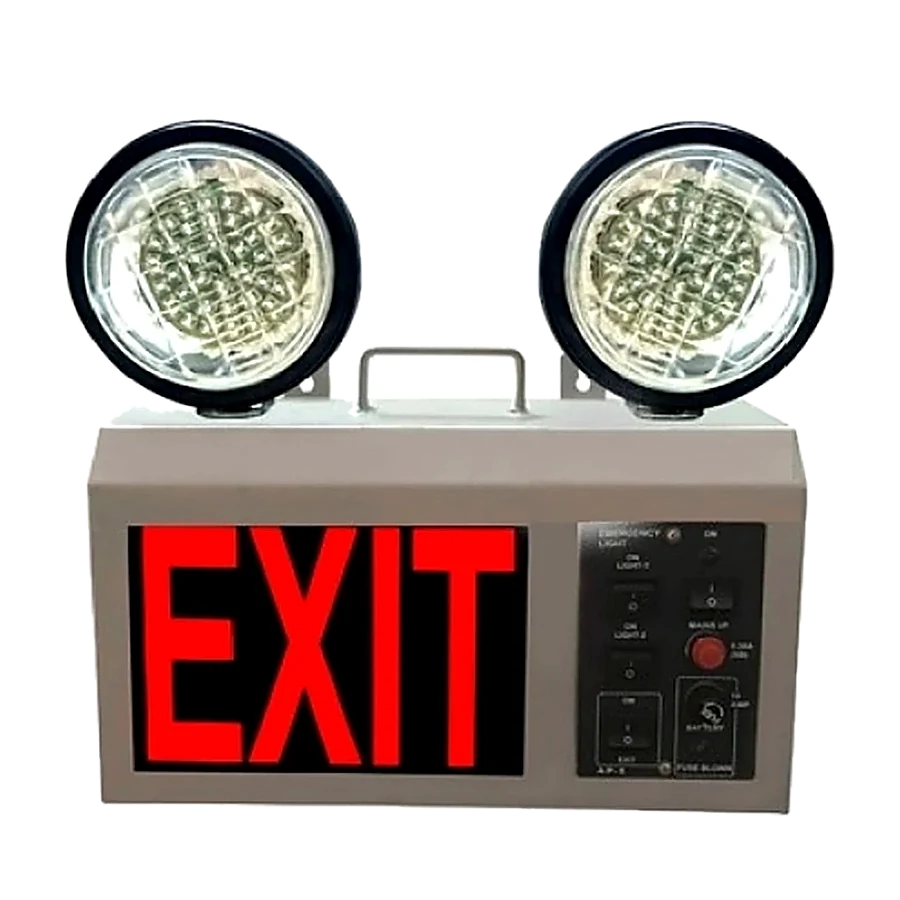
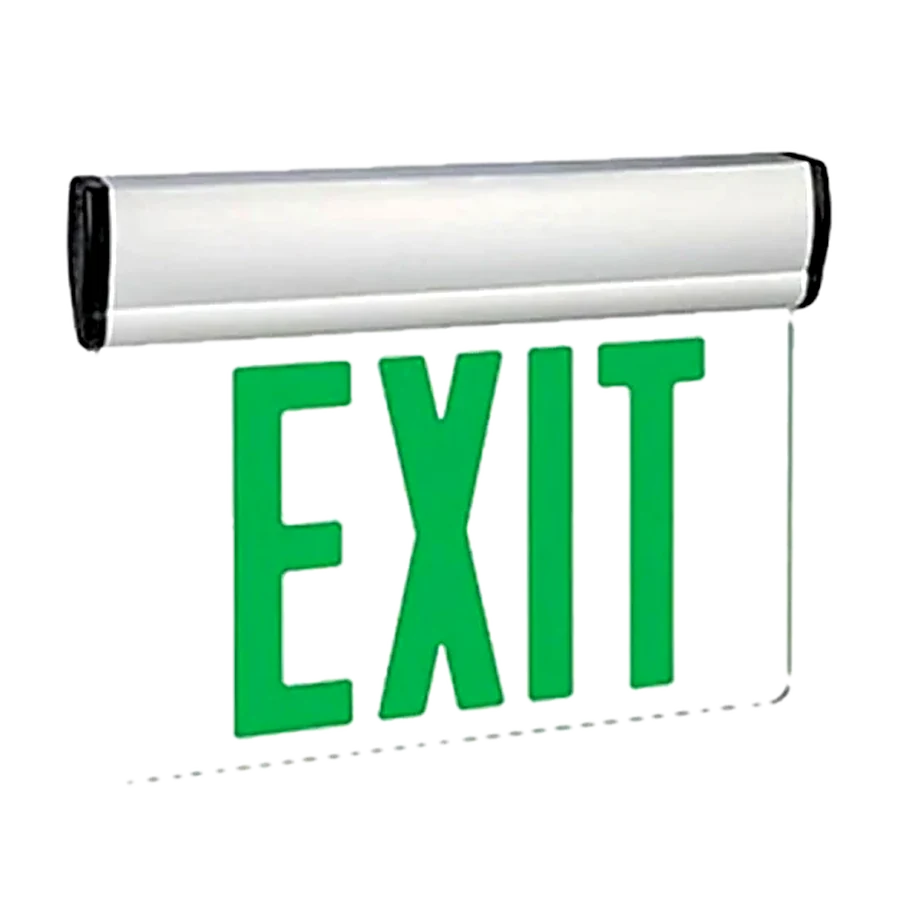
6. Emergency Exit Signs
Emergency exit signs help occupants identify designated escape routes during an emergency. Similarly, emergency lighting helps people navigate escape routes when normal lighting fails.
However, exit signs and emergency lighting serve supporting life-safety functions; they do not replace a properly designed fire alarm system.
Uses of Fire Alarm Systems
Fire alarm systems support fire safety in many types of buildings. Common applications include:
- Offices: Alert employees and visitors when the system detects a potential fire.
- Factories: Support early warning in suitable production and operational areas.
- Warehouses: Help alert staff to potential fire conditions around stored goods.
- Hospitals: Support emergency procedures in healthcare facilities.
- Hotels: Help notify guests and staff throughout the protected building.
- Shopping malls: Provide warnings across designated public and commercial areas.
- Educational institutions: Support evacuation procedures for students and staff.
Nevertheless, every building has different fire risks. Therefore, qualified professionals should assess the premises before selecting and installing fire alarm equipment.
Benefits of Installing a Fire Alarm System
A properly designed and maintained fire alarm system offers several important benefits.
Early Warning
First, the system can detect specified signs of fire and alert occupants. Early warning gives people an opportunity to follow the building’s emergency procedures.
Improved Occupant Safety
Next, audible and visual notifications can help occupants recognize danger and begin evacuation. Building managers should also provide clear escape routes and appropriate emergency training.
Protection for Property and Equipment
Furthermore, timely warning can help people respond before a fire spreads extensively. However, a fire alarm alone cannot prevent every fire or guarantee that property will remain undamaged.
Support for Emergency Response
In addition, a well-maintained system can provide useful alarm information to designated personnel. This information can help them follow emergency procedures and communicate with responders.
Better Fire Safety Management
Finally, regular testing and maintenance help building owners identify faults and maintain system readiness. They should keep inspection records and arrange servicing according to applicable requirements.
How to Choose the Right Fire Alarm System
Before purchasing fire alarm equipment, assess your building’s requirements carefully.
- Assess the building: Consider its size, layout, occupancy and fire risks.
- Select the system type: Compare conventional and addressable systems according to your needs.
- Choose compatible detectors: Select smoke detectors, heat detectors and other devices for the intended environment.
- Check alarm coverage: Ensure that the design provides appropriate audible and visual warnings.
- Review compliance requirements: Follow applicable fire safety regulations, standards and approval conditions.
- Plan maintenance: Arrange professional installation, commissioning, testing and ongoing servicing.
Most importantly, choose compatible equipment and use qualified professionals to design and install the system.
Why Choose Max Fire Safety?
Max Fire Safety provides fire safety and firefighting product solutions for commercial and industrial requirements. Customers can enquire about available products and request information about their specifications.
Whether you need smoke detectors, heat detectors, fire alarm control panels or manual call points, discuss your requirements with the team before selecting equipment.
Explore the available products at https://maxfiresafety.com/ and contact Max Fire Safety for product enquiries and quotations.
Frequently Asked Questions
What does a fire alarm system do?
A fire alarm system detects specified signs of fire and alerts occupants through configured audible or visual warnings. Consequently, people can follow emergency procedures and evacuate when necessary.
What is the difference between conventional and addressable fire alarm systems?
A conventional system identifies the affected zone, while an addressable system can identify the individual compatible device reporting an alarm. Therefore, the suitable option depends on the building’s layout and requirements.
Which detector is better: smoke or heat?
Neither detector suits every situation. Smoke detectors sense smoke, whereas heat detectors respond to specified heat conditions. A qualified professional should select the appropriate device for each area.
How often should a fire alarm system be serviced?
The required testing and servicing schedule depends on applicable regulations, manufacturer instructions and the approved maintenance plan. Therefore, building owners should arrange inspections through qualified personnel and keep appropriate records.
Where can I buy fire alarm equipment in India?
You can contact Max Fire Safety to enquire about available fire alarm products, technical specifications and quotations. Before ordering, confirm product compatibility and suitability for your installation.
Conclusion
A suitable fire alarm system plays an important role in a building’s overall fire safety strategy. By selecting compatible detectors, control panels and alarm devices, building owners can support early warning and emergency response.
Furthermore, regular inspections and professional maintenance help keep the system ready for use. Contact Max Fire Safety to discuss your fire alarm equipment requirements and explore suitable products for your project.
Contact Max Fire Safety
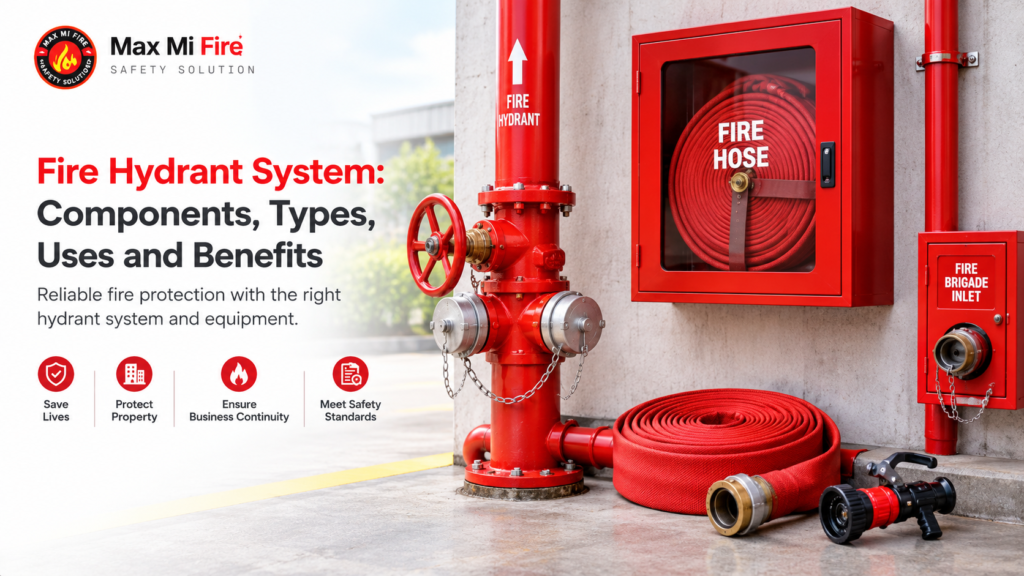
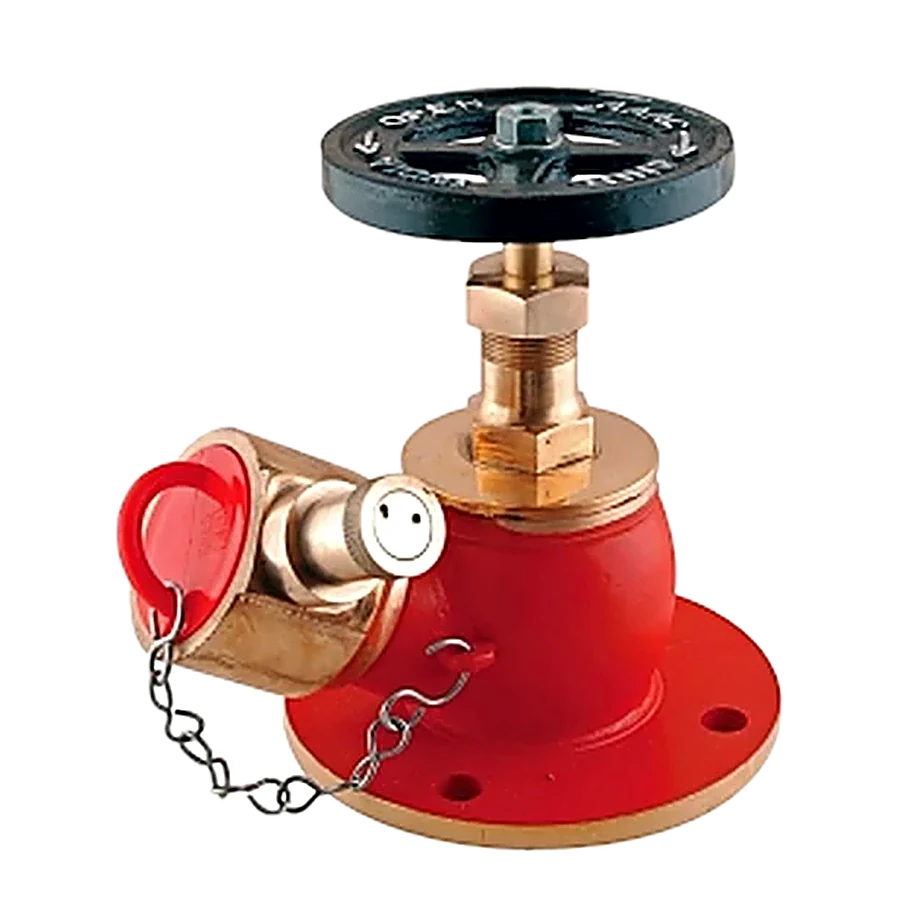
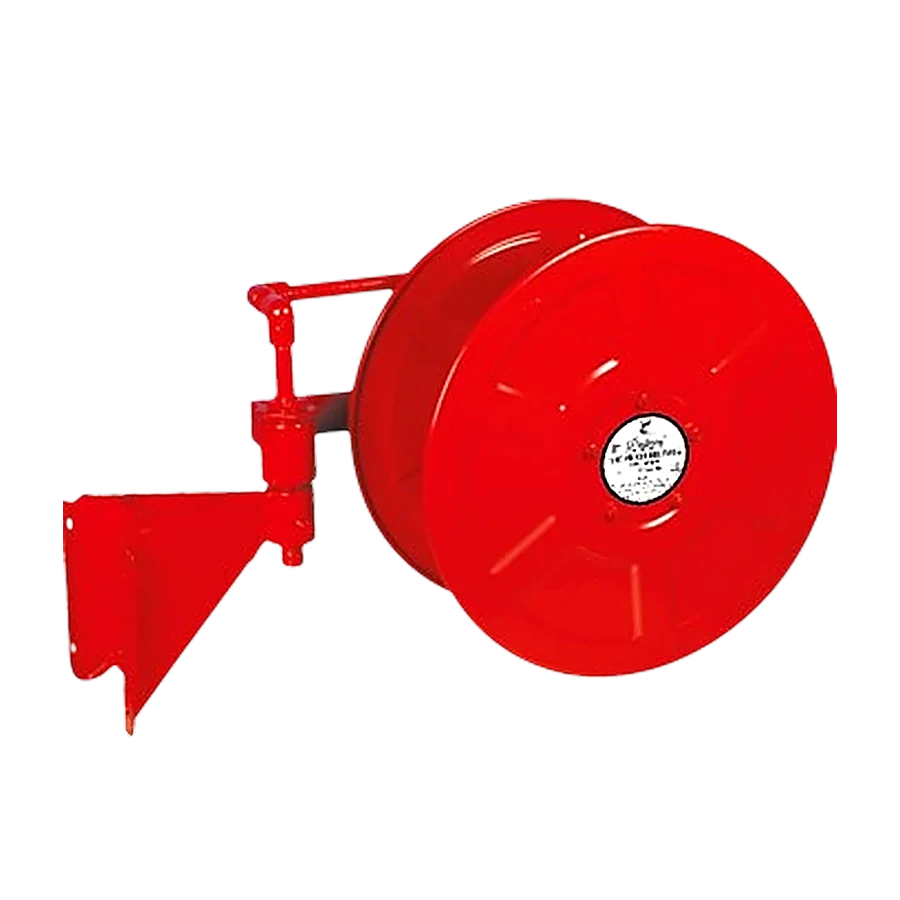
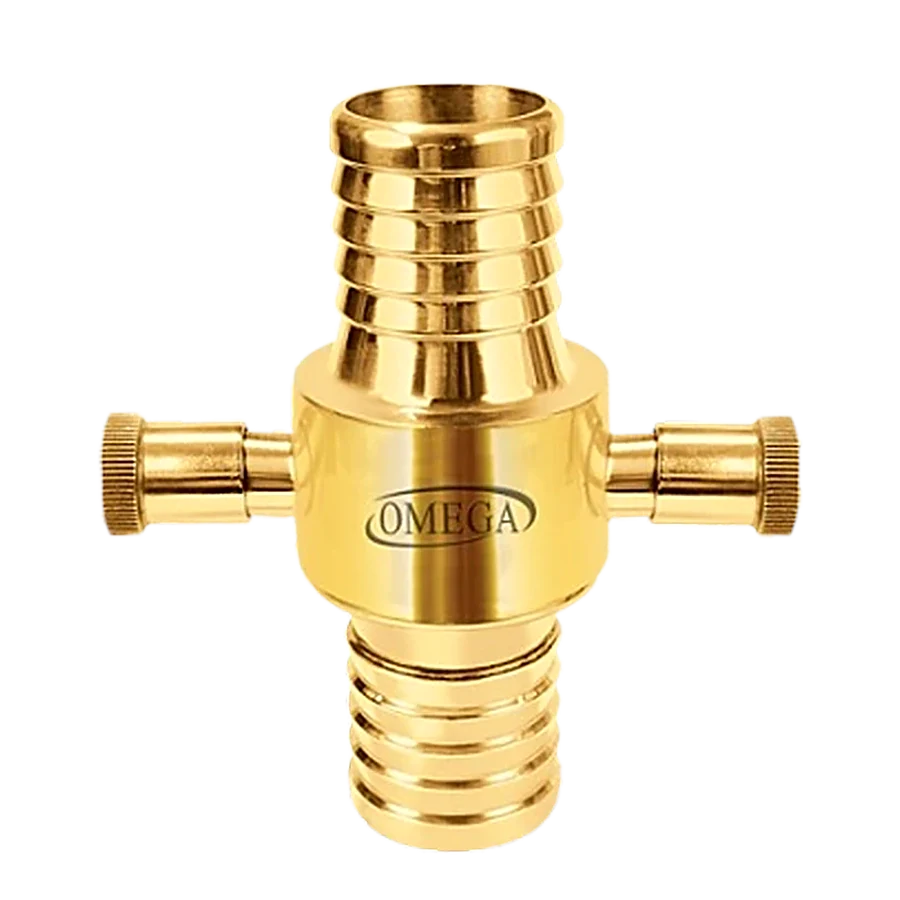
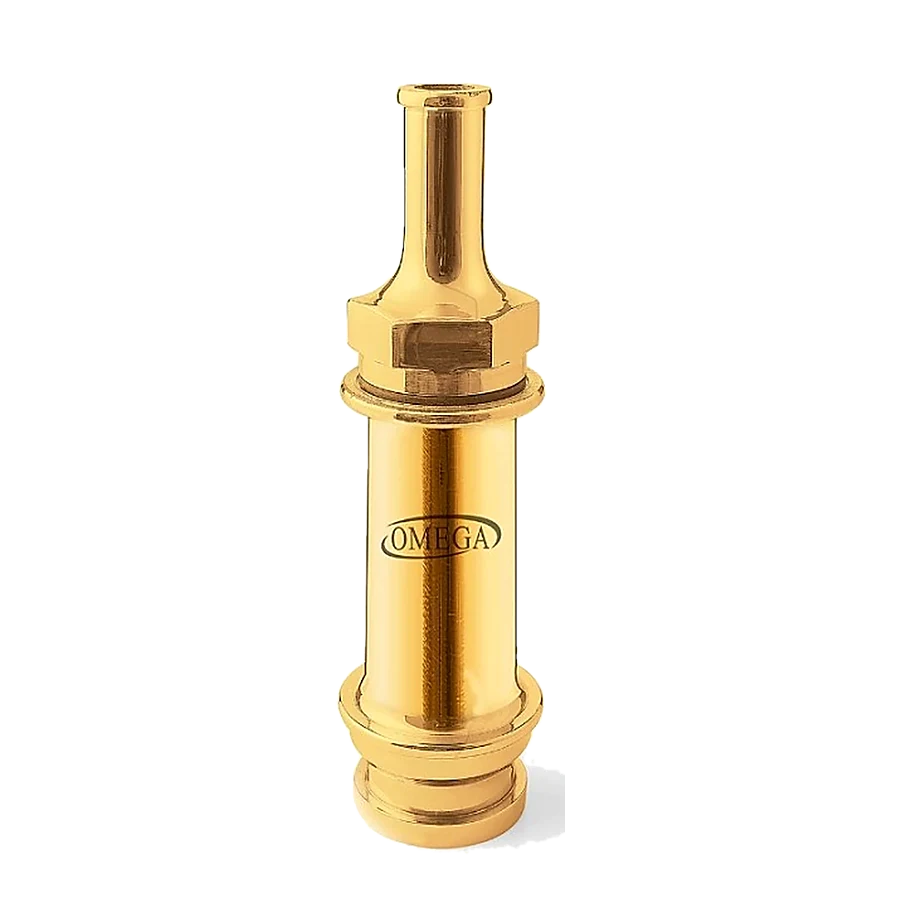
Looking for fire hydrant valves, fire hoses, hose boxes, nozzles or other firefighting equipment?
Visit https://maxfiresafety.com/ to explore the available products and contact Max Fire Safety with your requirements.
Follow US
https://www.instagram.com/maxmifiresafety_solution
https://www.youtube.com/@MAXMIFireSafetySolution
https://www.linkedin.com/in/maxmifiresafetysolution
https://www.facebook.com/maxmifiresafetysolution
More Pages