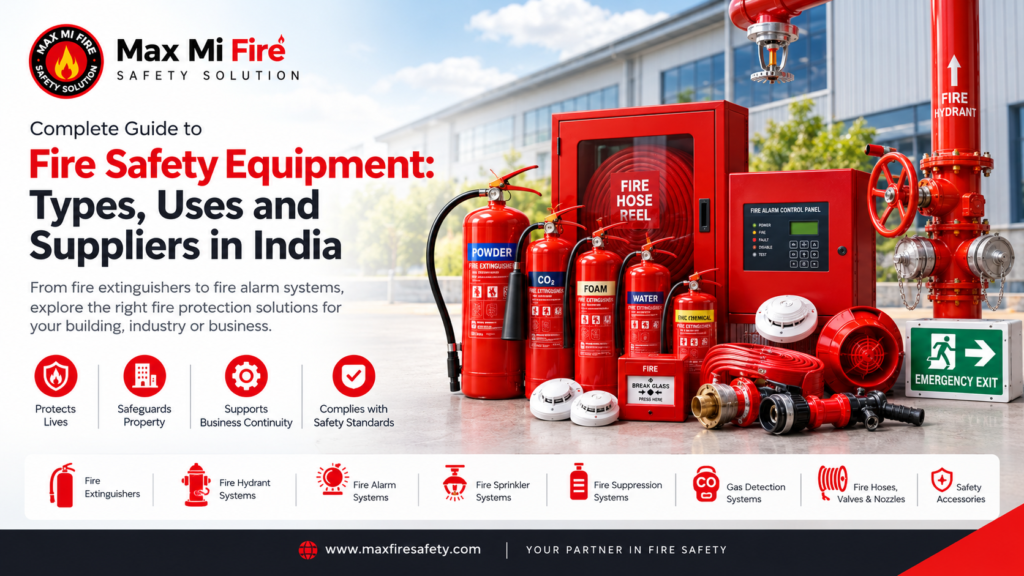







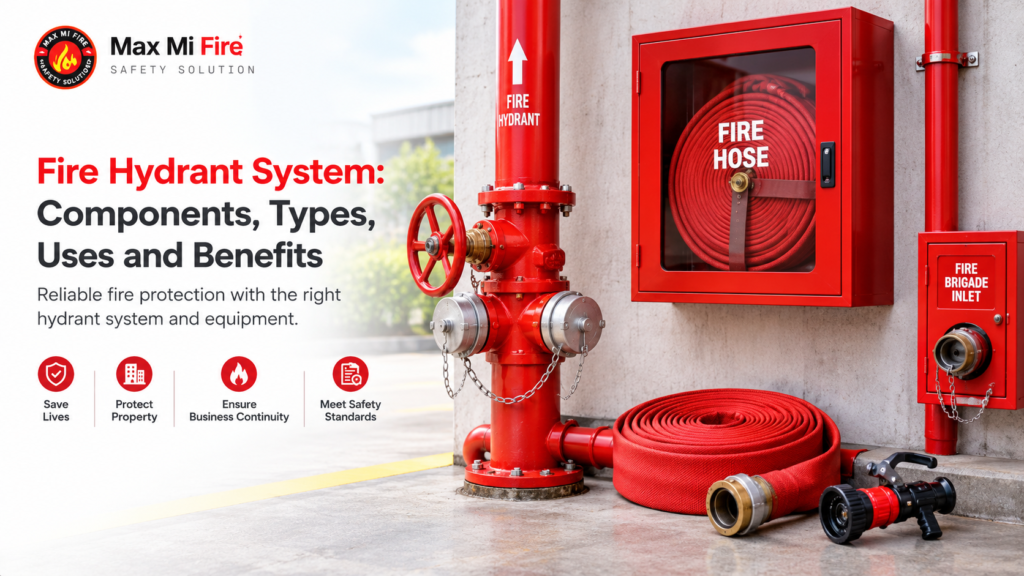
Fire Hydrant System: Components, Types, Uses and Benefits
Fire safety is a critical requirement for factories, warehouses, offices, commercial buildings and industrial facilities. A properly designed fire hydrant system provides a water supply and connection points that trained responders can use to fight fires.
Max Fire Safety offers firefighting equipment solutions to help businesses identify suitable products for their fire protection requirements.
What Is a Fire Hydrant System?
A fire hydrant system is a firefighting arrangement that supplies water through a network of pipes and hydrant outlets. Depending on the building and system design, it may include pumps, water storage, valves, hydrant points, hoses and related accessories.
The system should be designed, installed, inspected and maintained according to applicable fire safety standards and the site’s requirements.
Main Components of a Fire Hydrant System
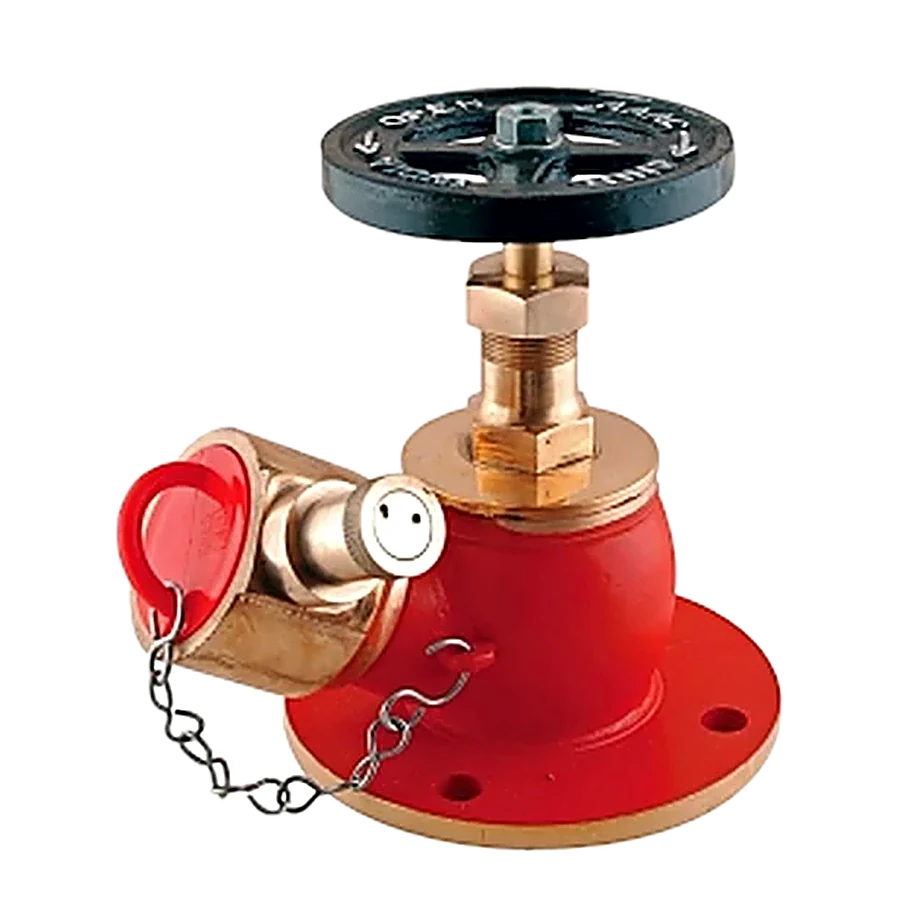
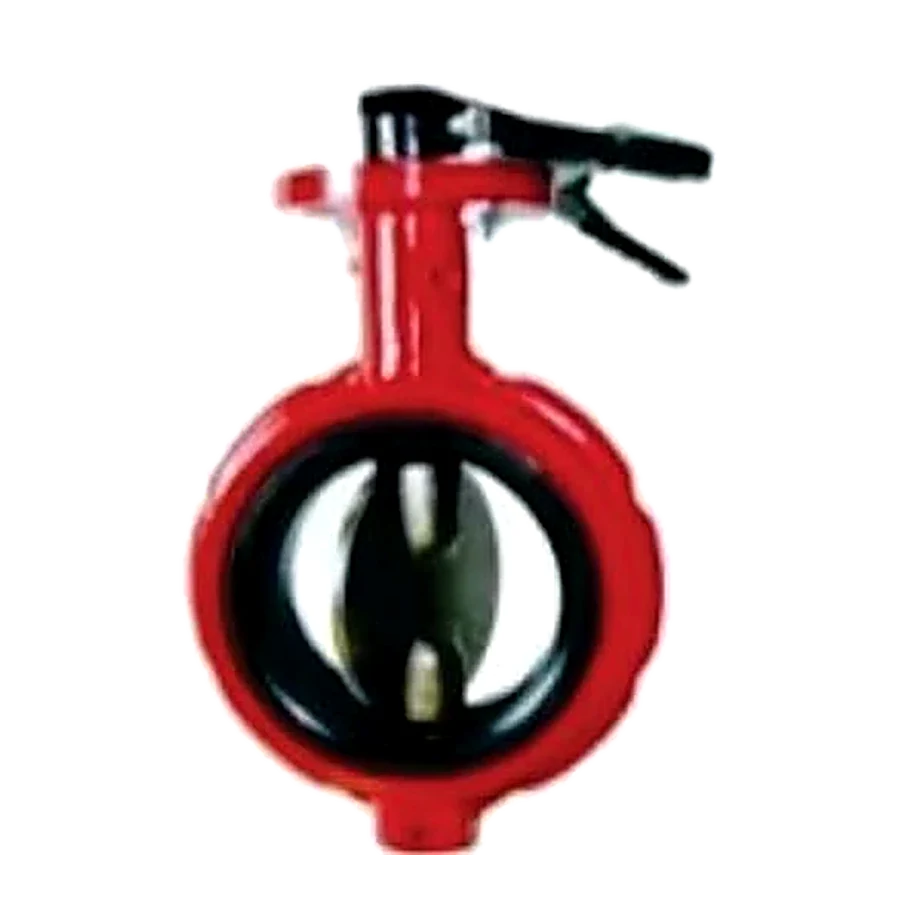
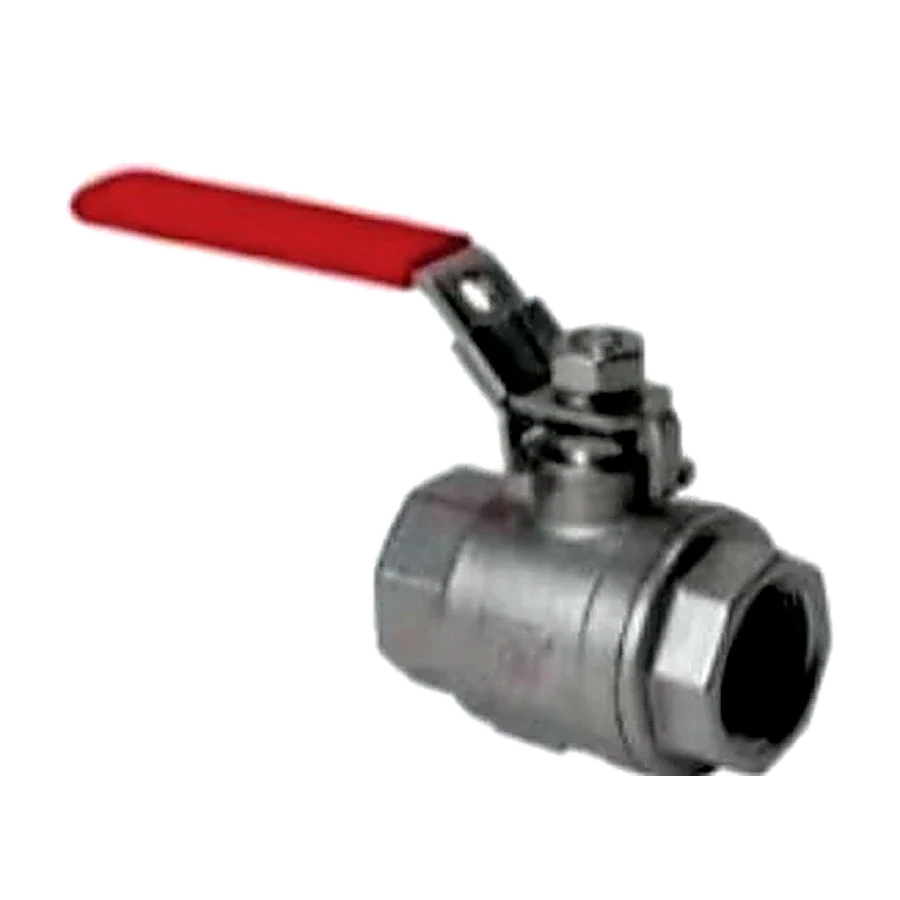
1. Fire Hydrant Valve
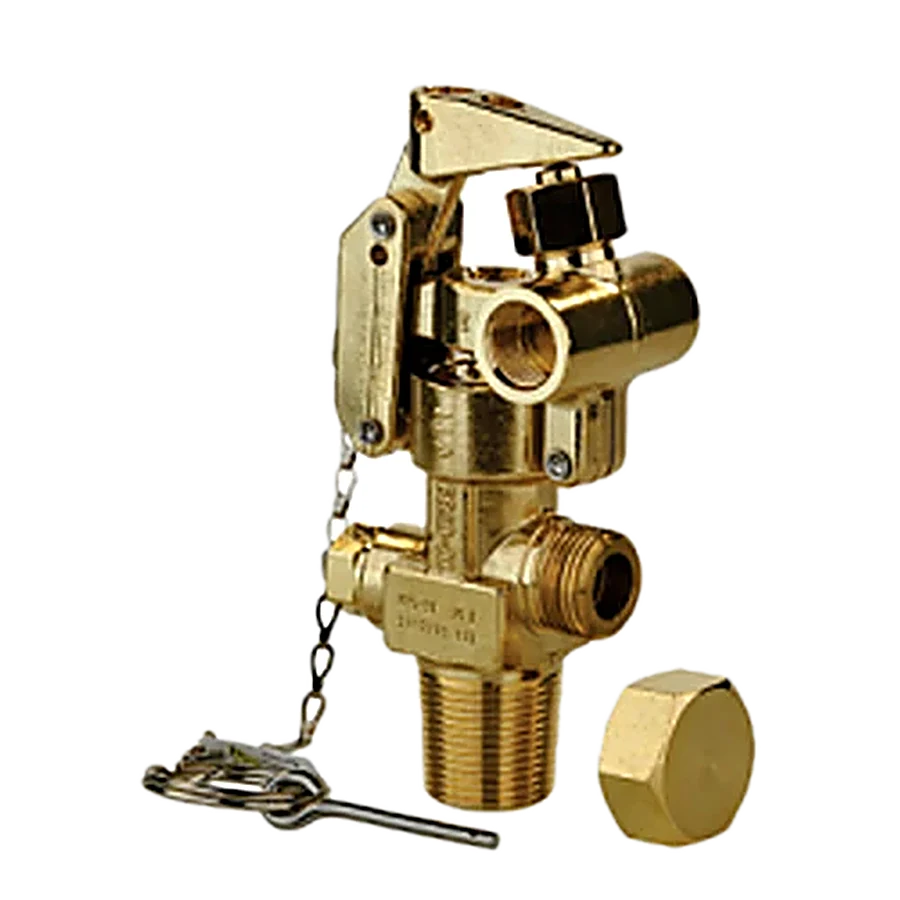
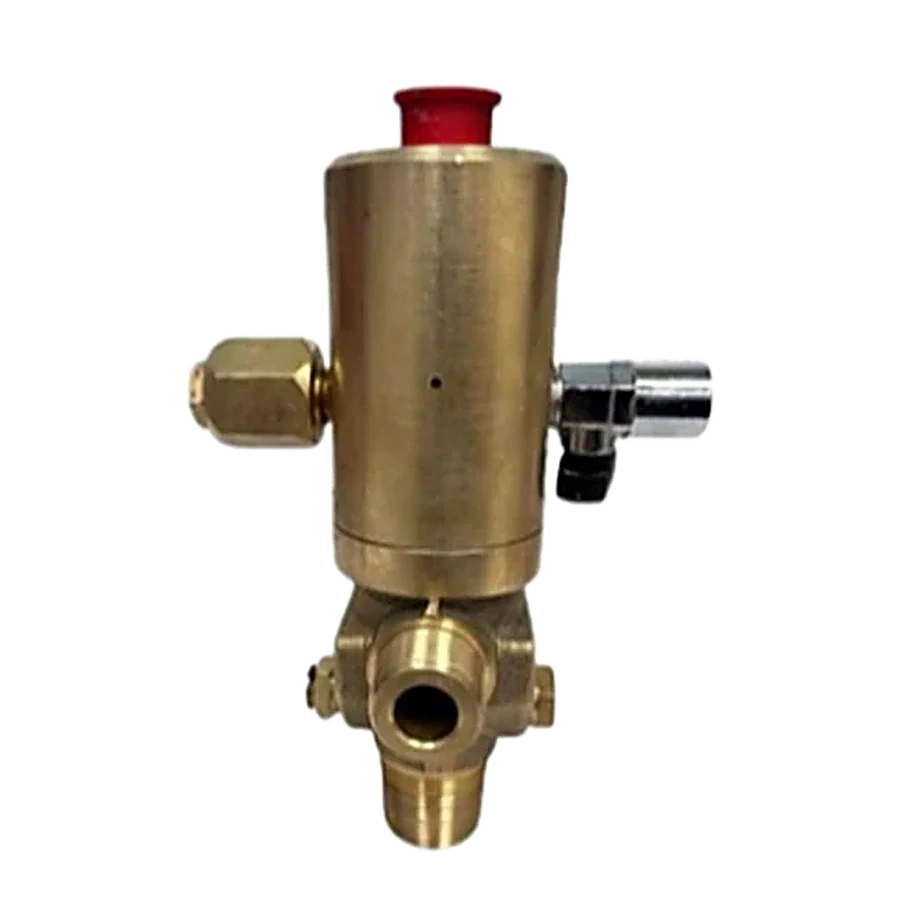
A fire hydrant valve controls the flow of water at a hydrant outlet. The correct valve type and pressure rating depend on the system design and installation requirements.
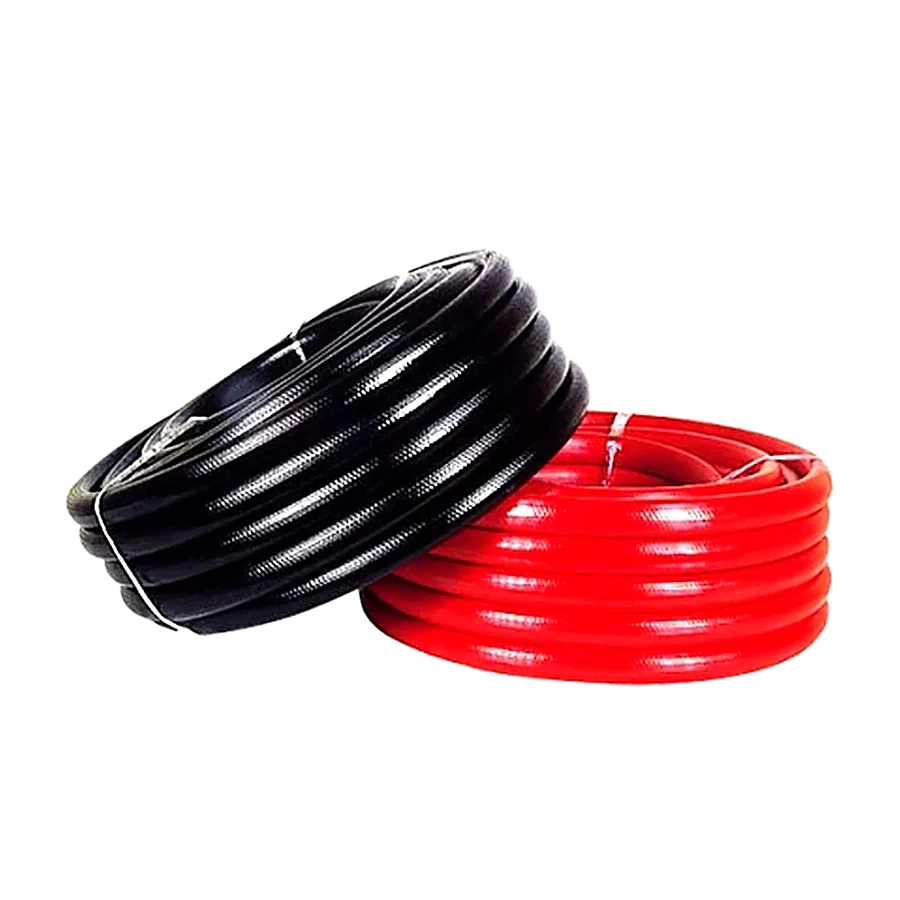
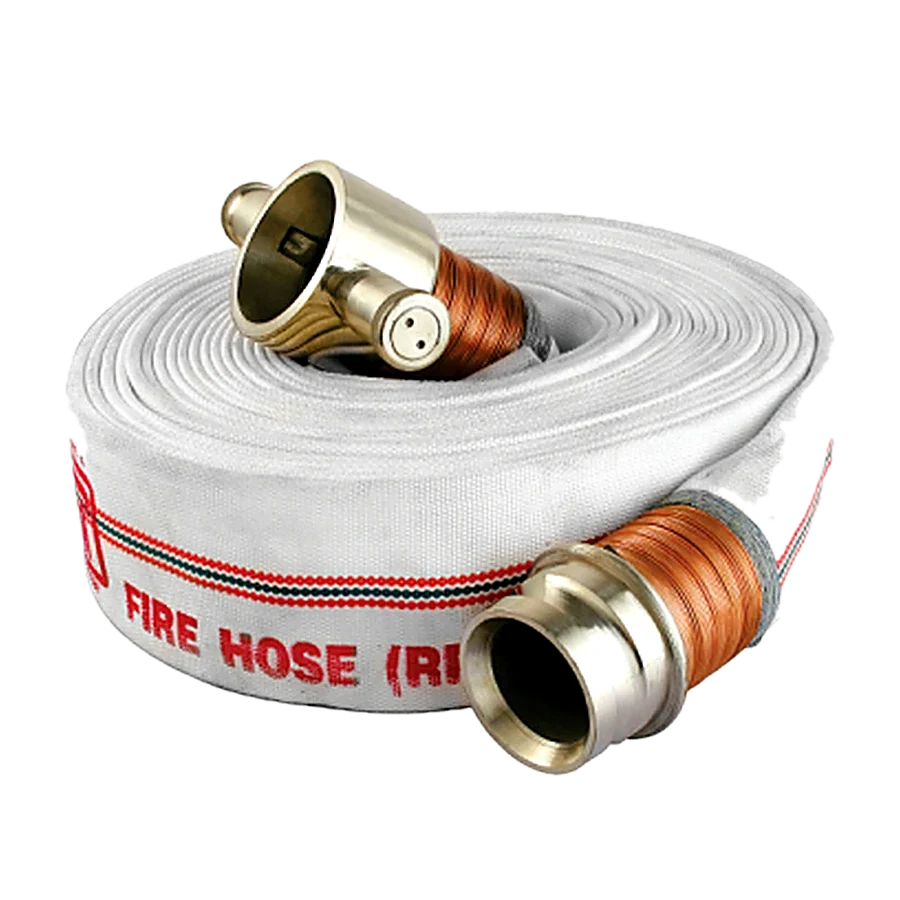
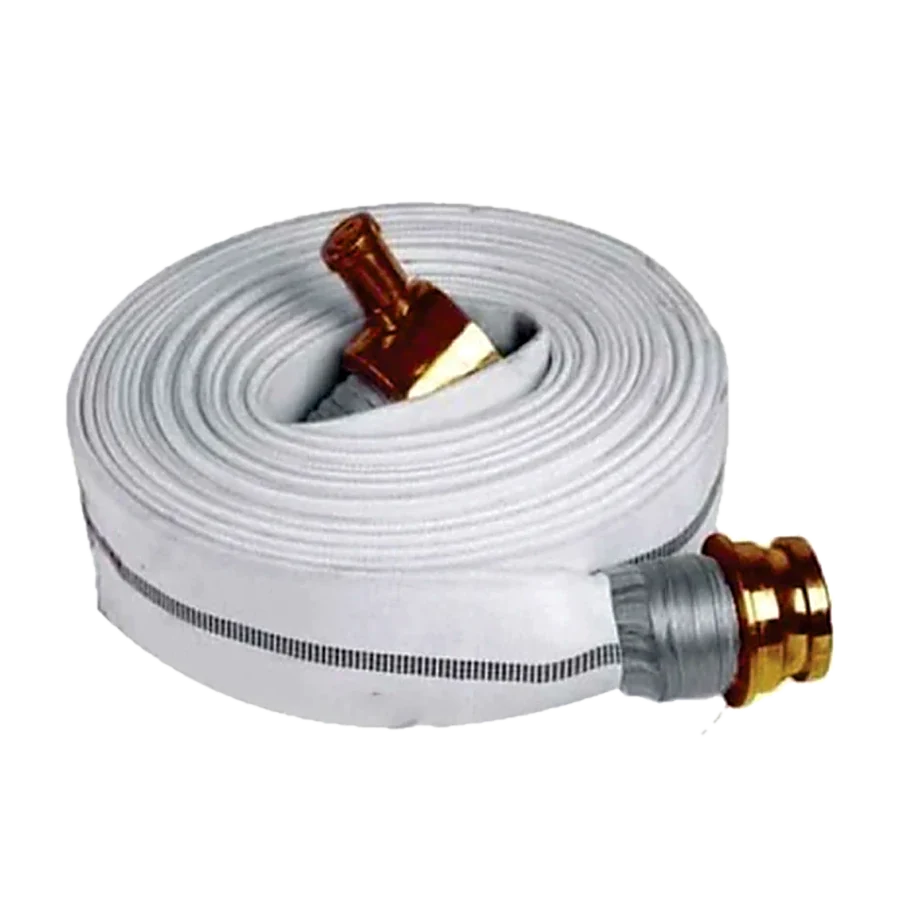
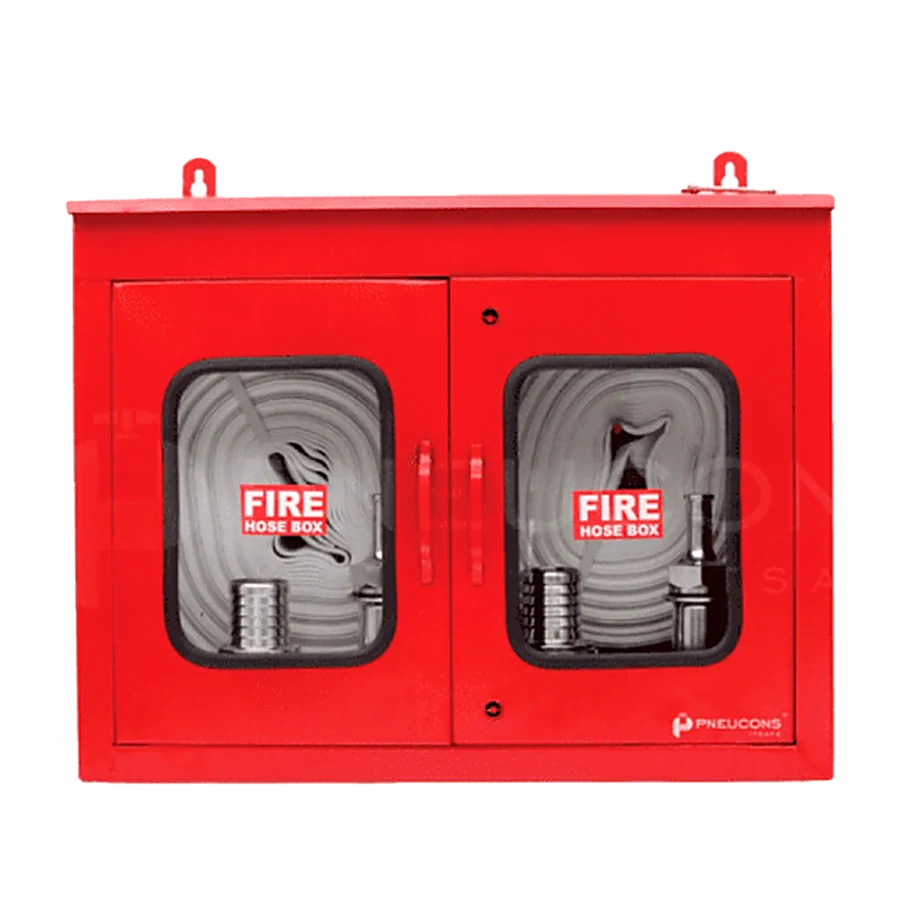
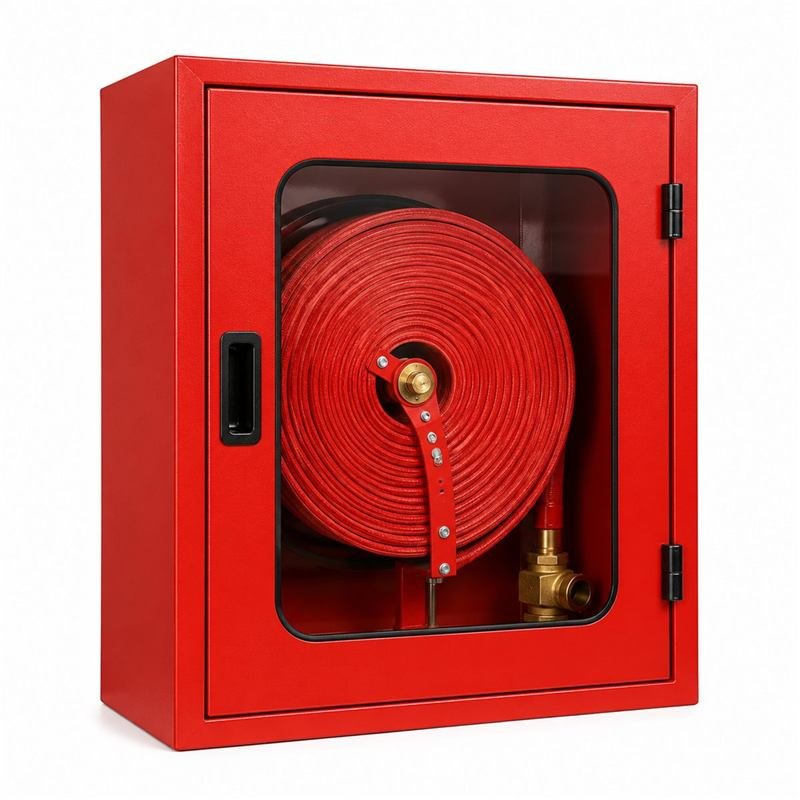
2. Fire Hose and Hose Box
Fire hoses carry water from the hydrant outlet to the required location. Hose boxes or cabinets help protect and organize firefighting equipment for access during an emergency.
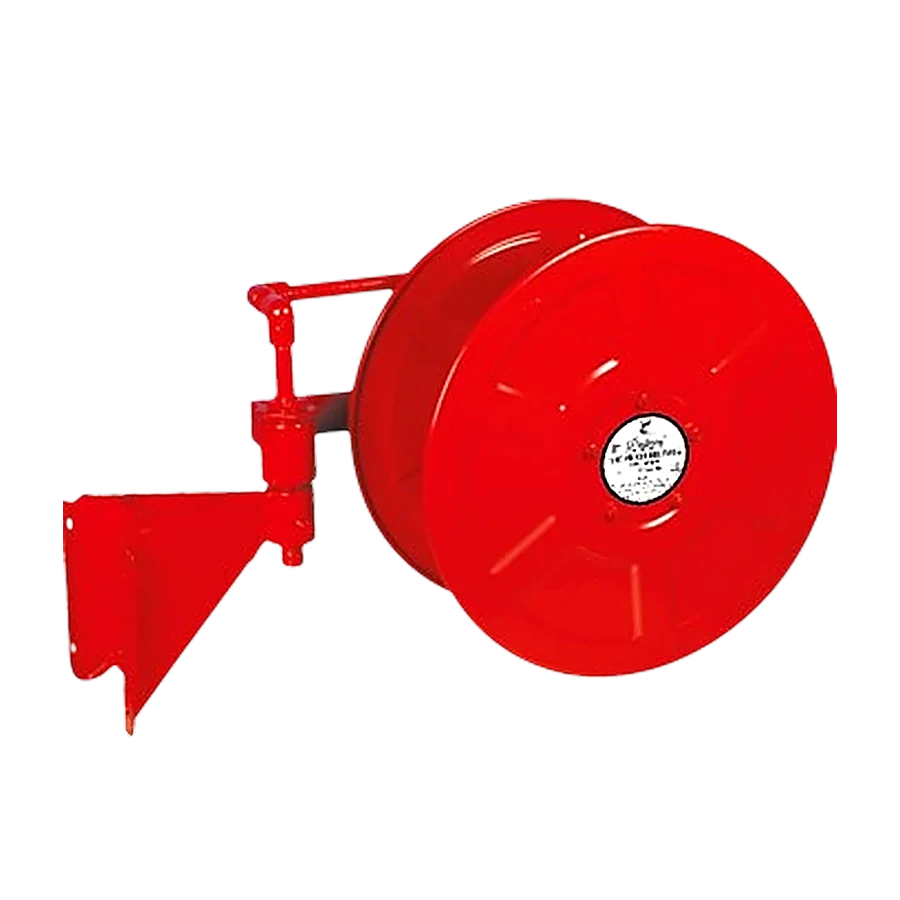
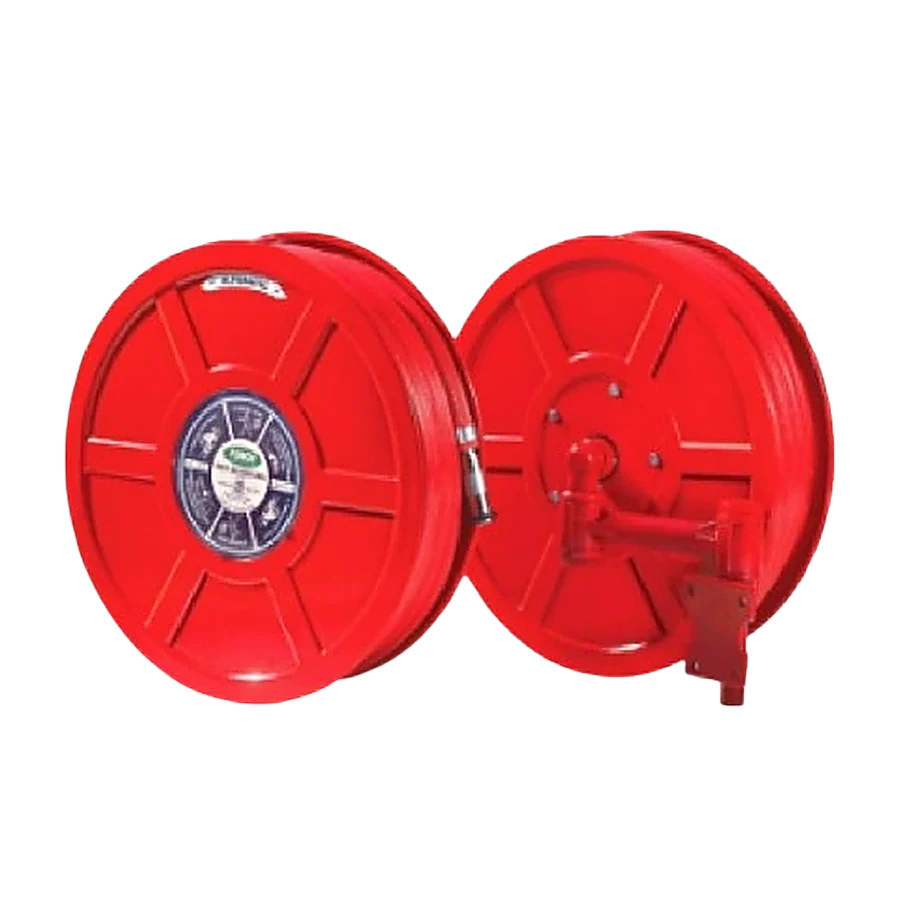
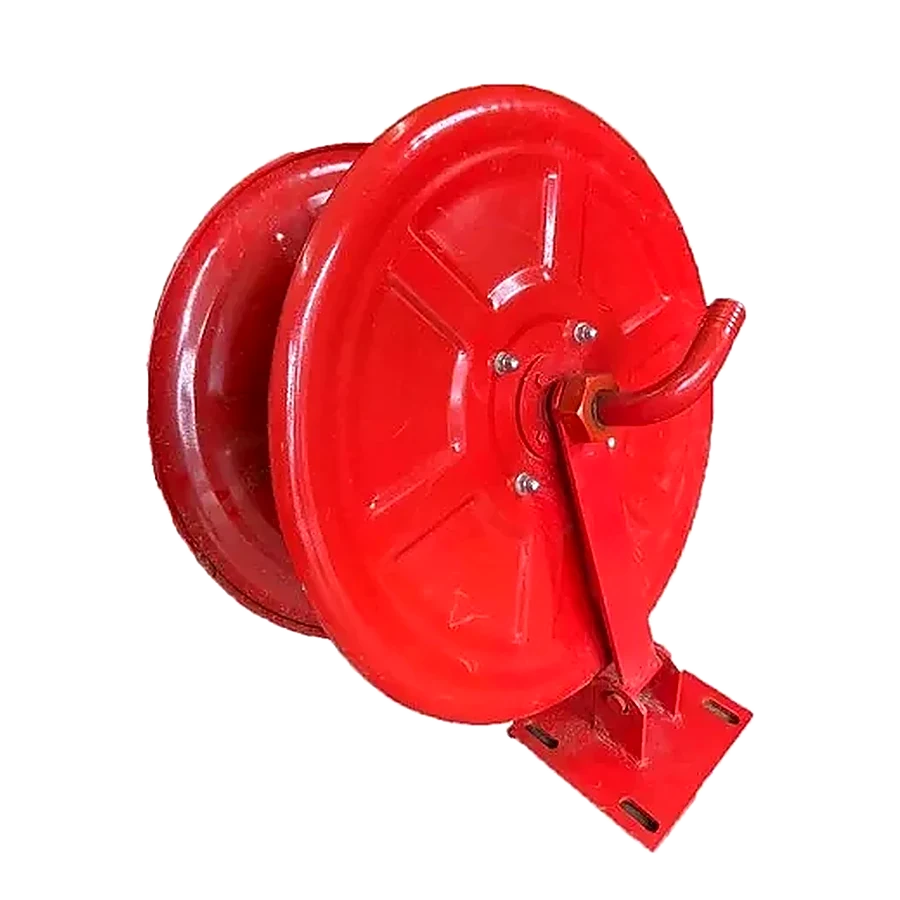
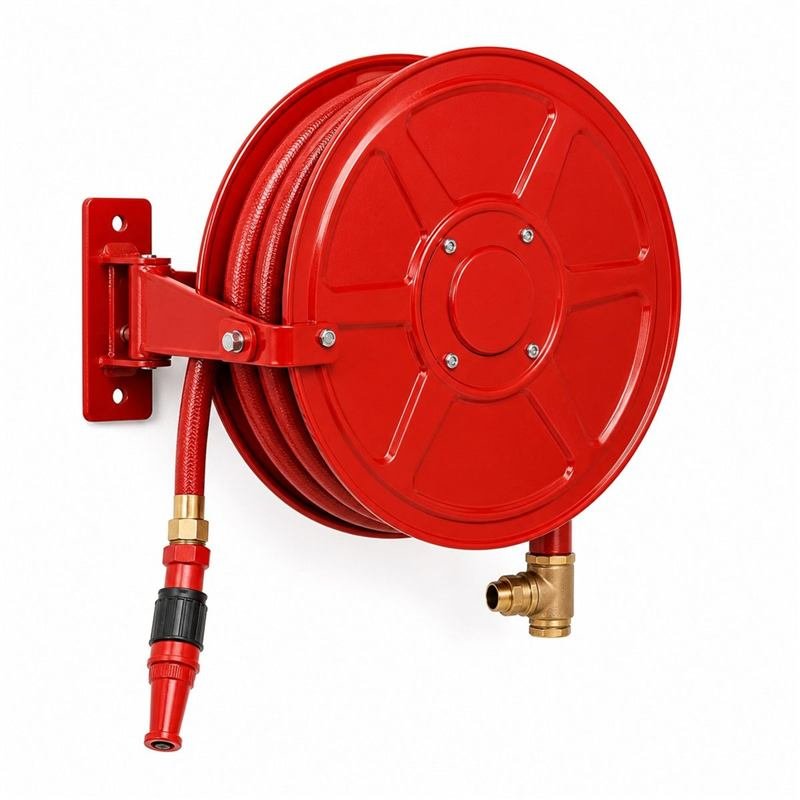
3. Fire Hose Reel
A fire hose reel stores a hose on a reel and is used in systems designed for its intended application. Its placement and use should follow the approved building fire protection plan.
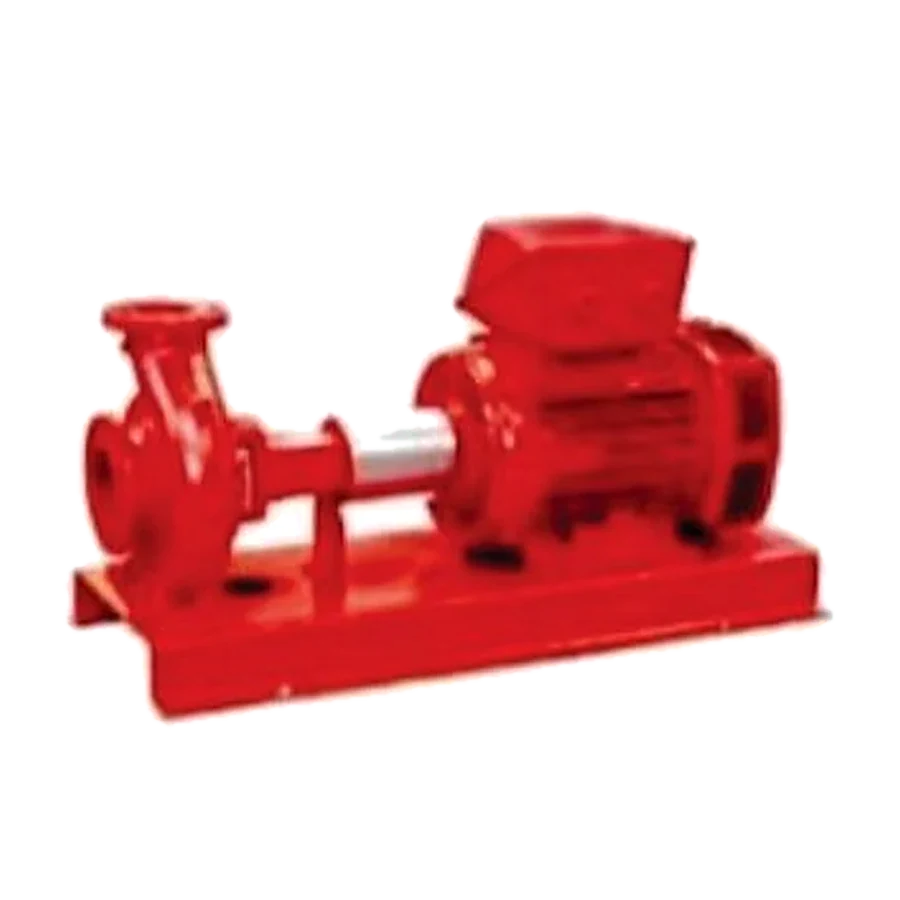
4. Fire Pump
Fire pumps help provide the required water flow and pressure when specified by the system design. Pump selection depends on the hydraulic calculations and the site’s fire protection requirements.
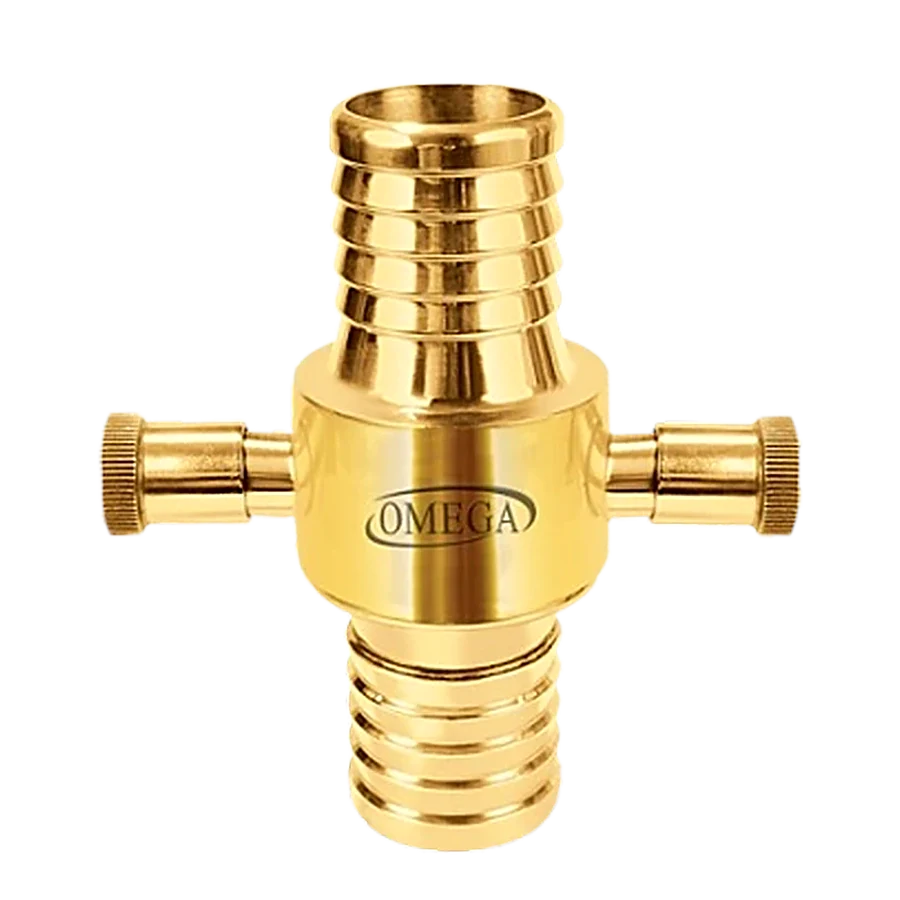
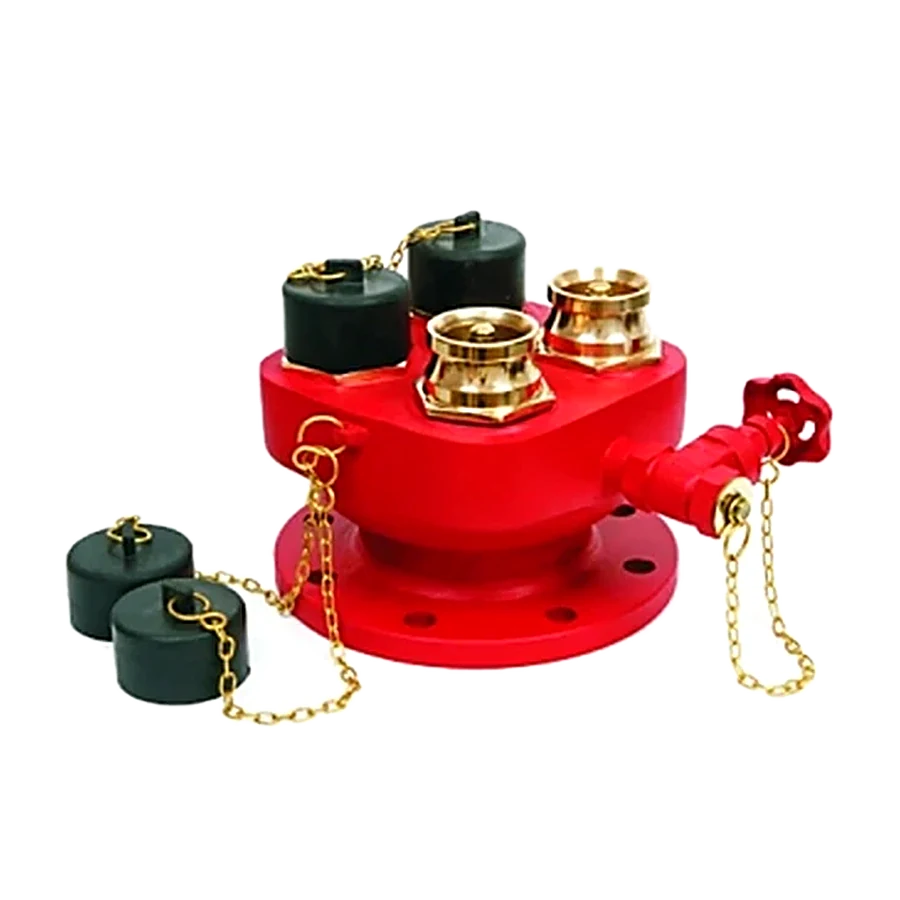
5. Fire Brigade Inlet
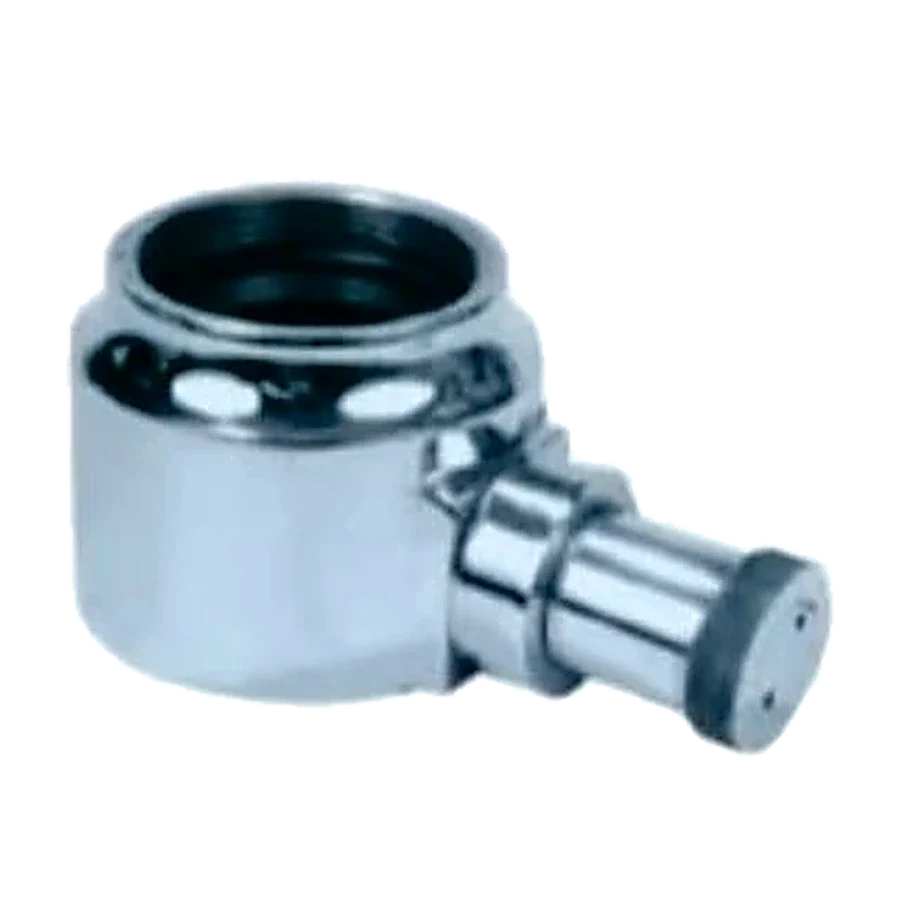
A fire brigade inlet allows the fire service to connect its equipment to a compatible fire protection system where provided by the design.
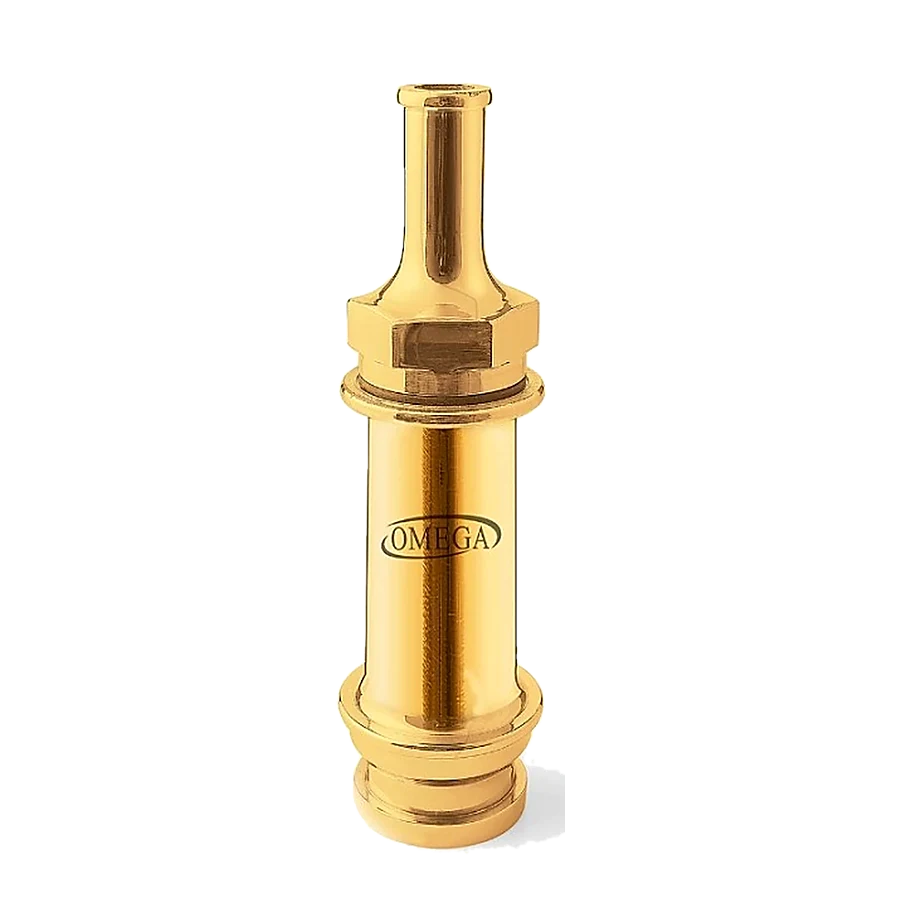
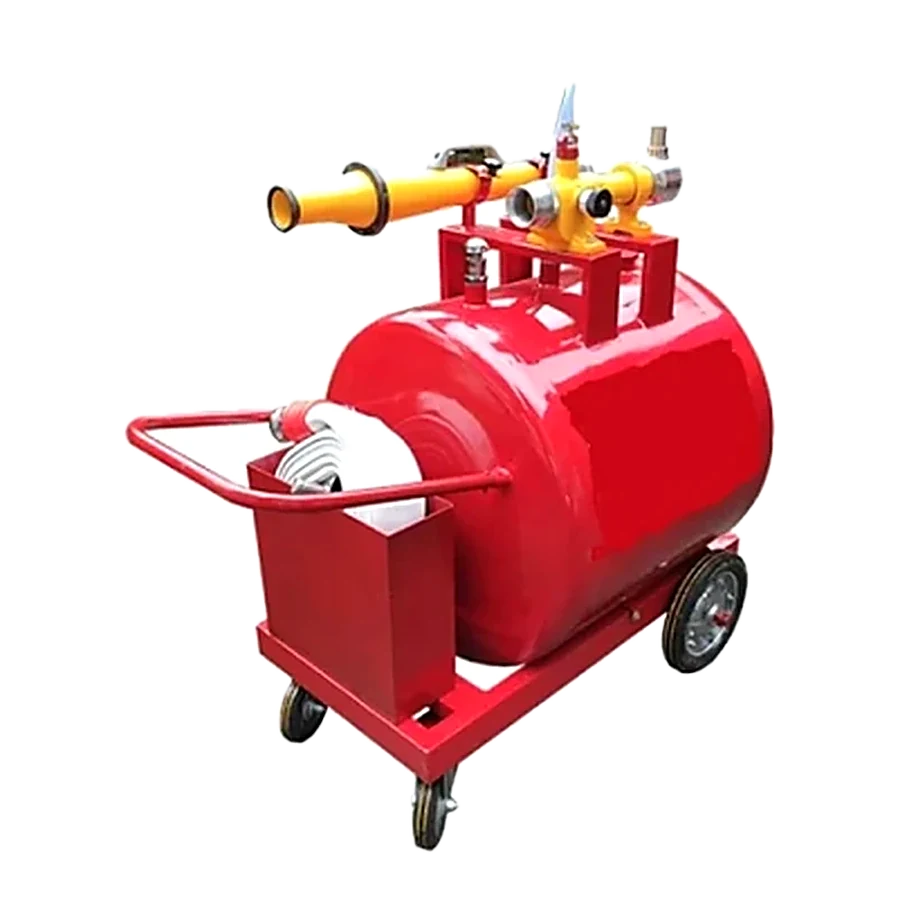
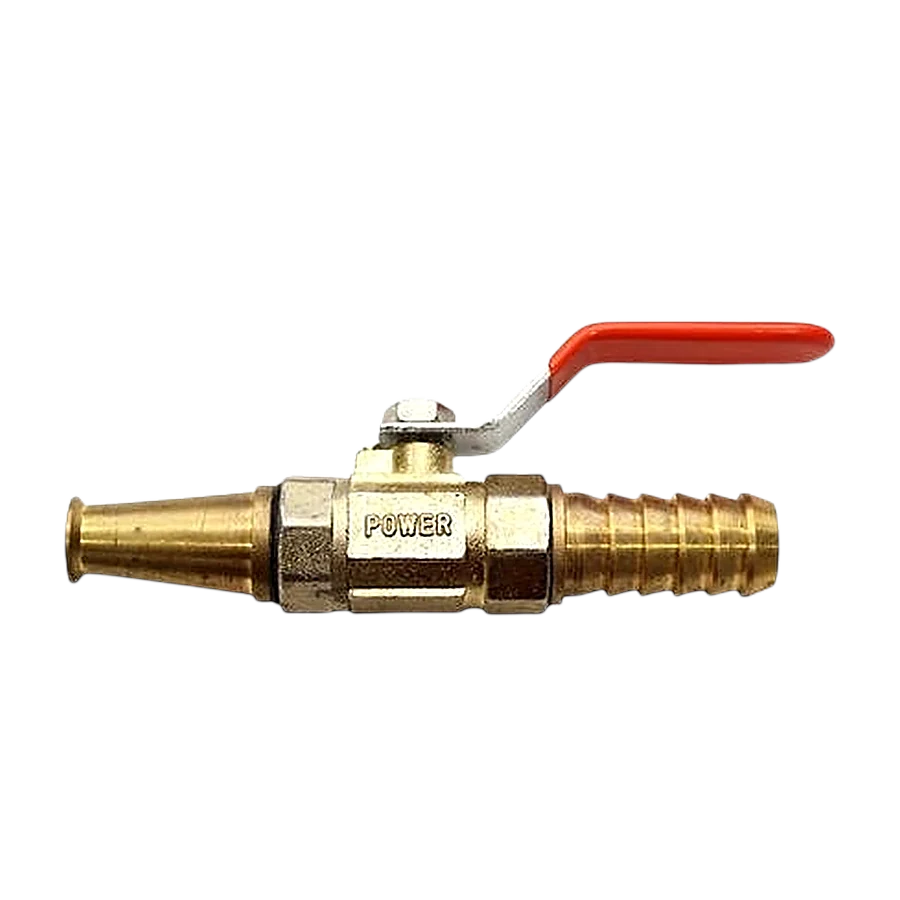
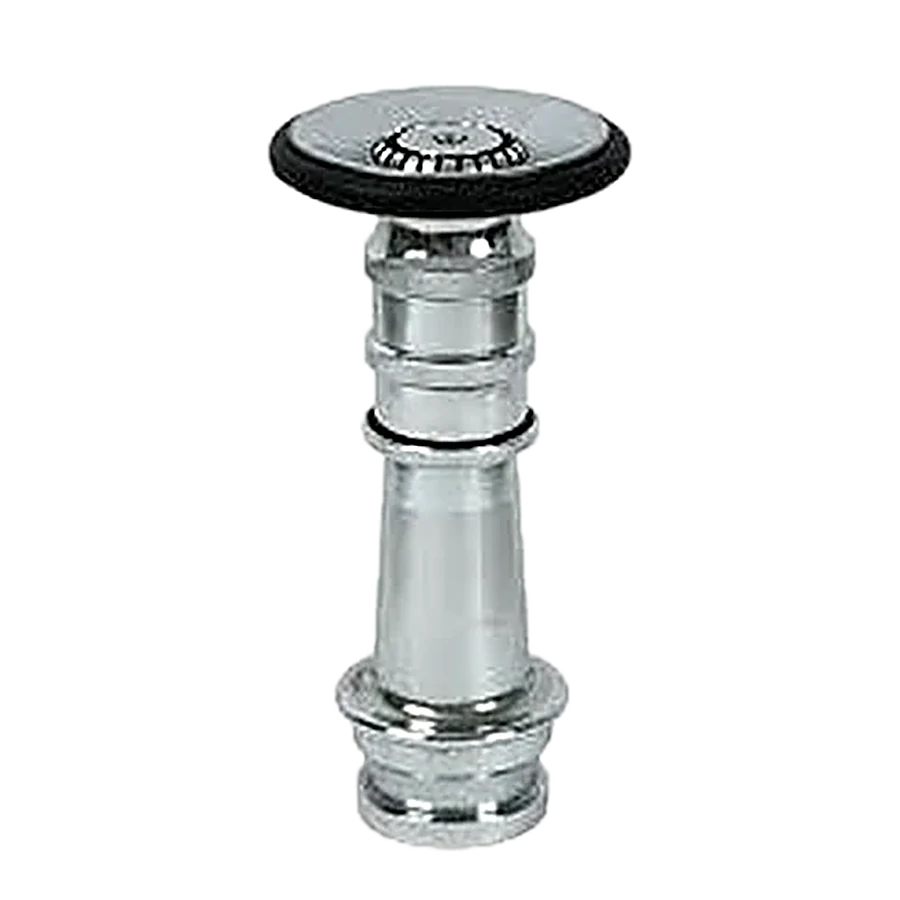
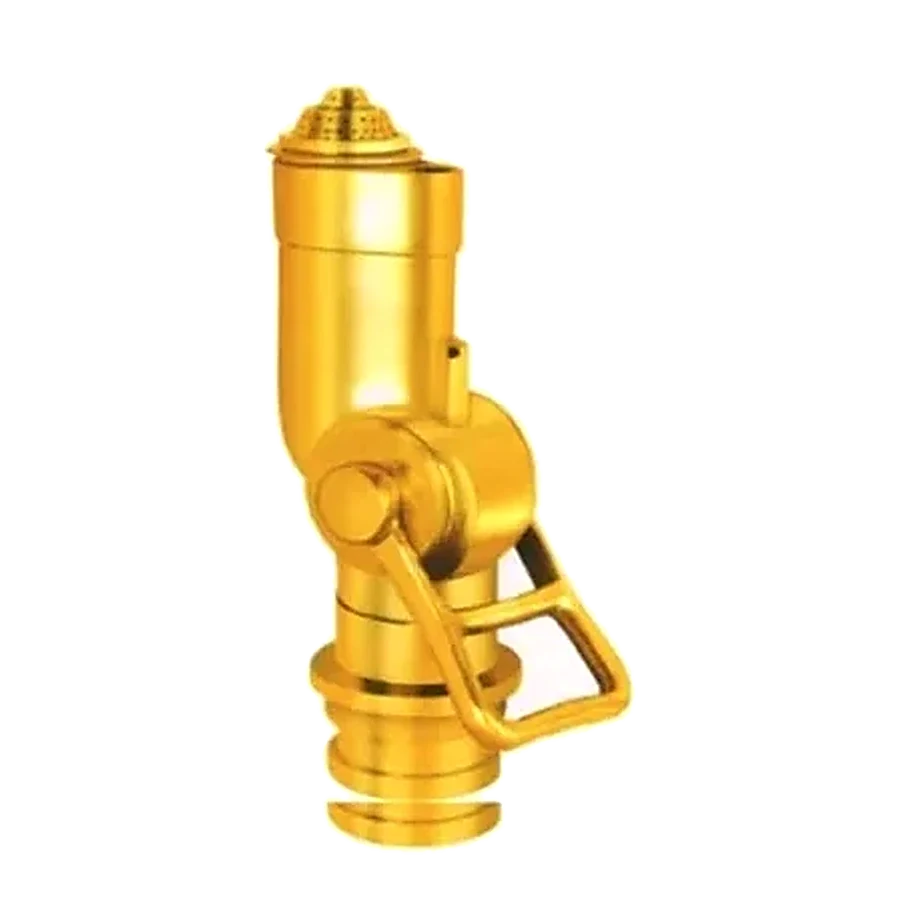
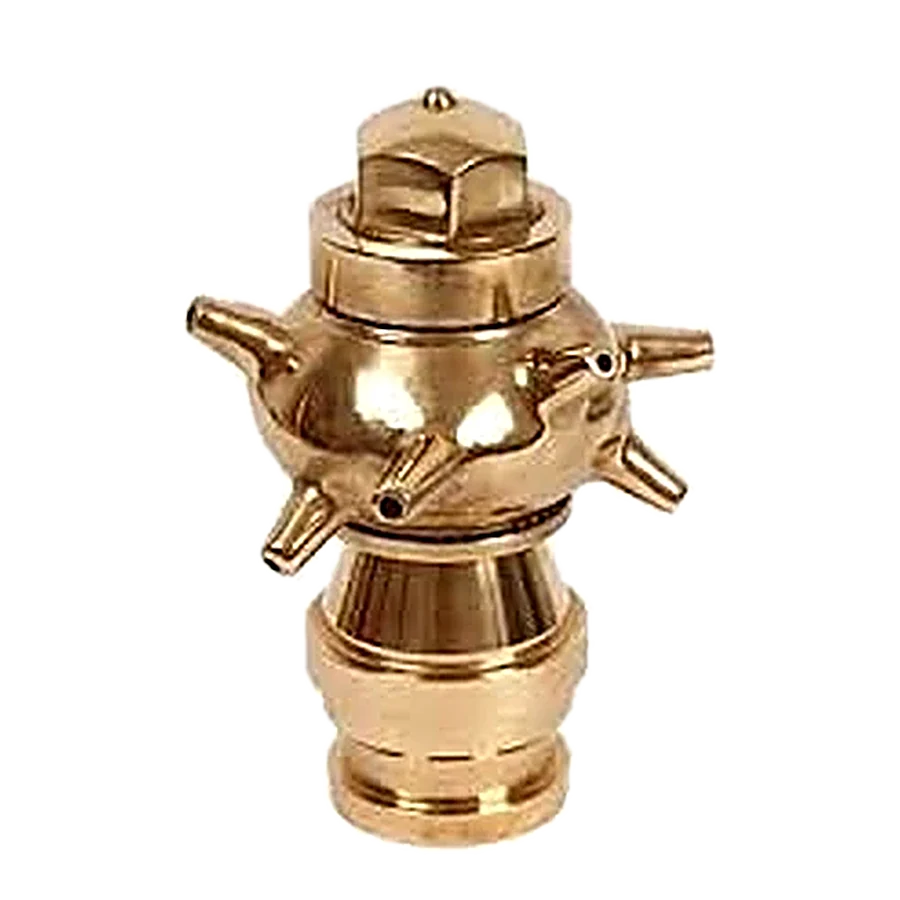
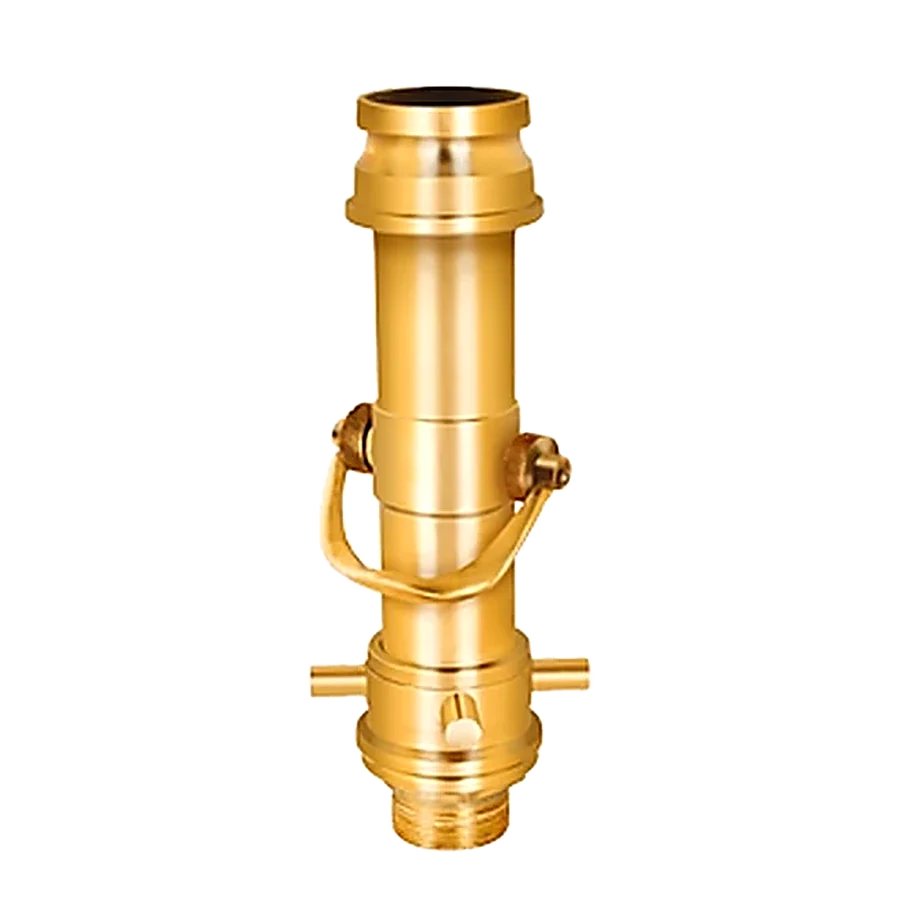
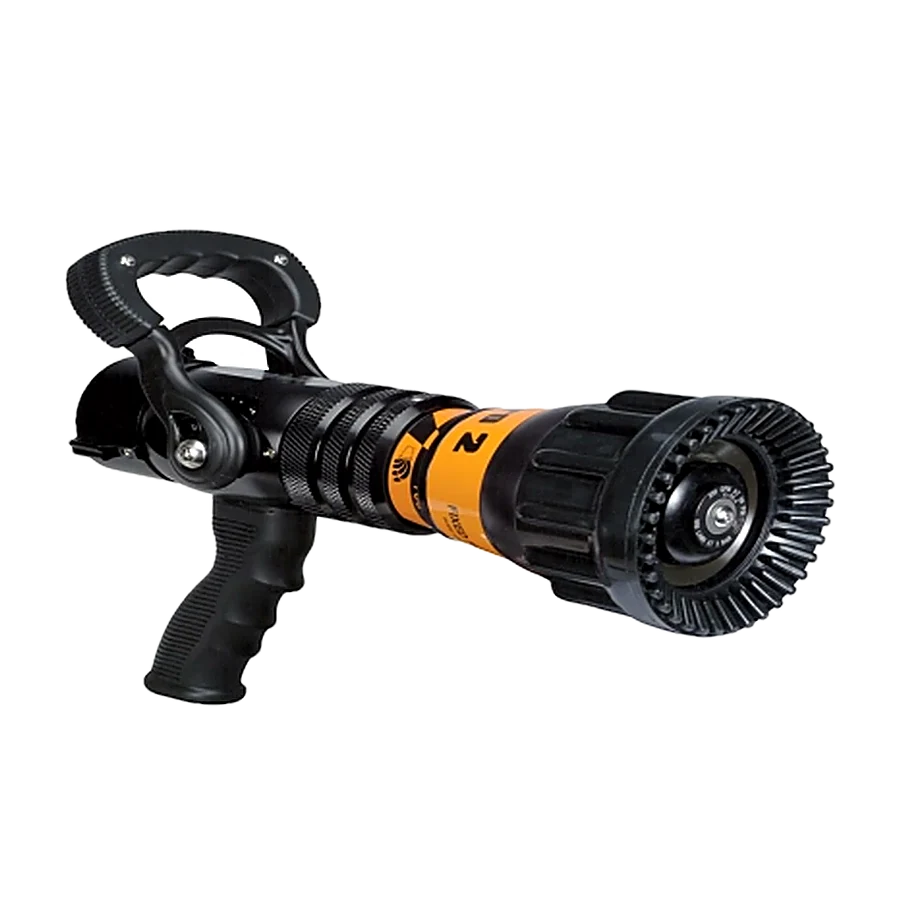
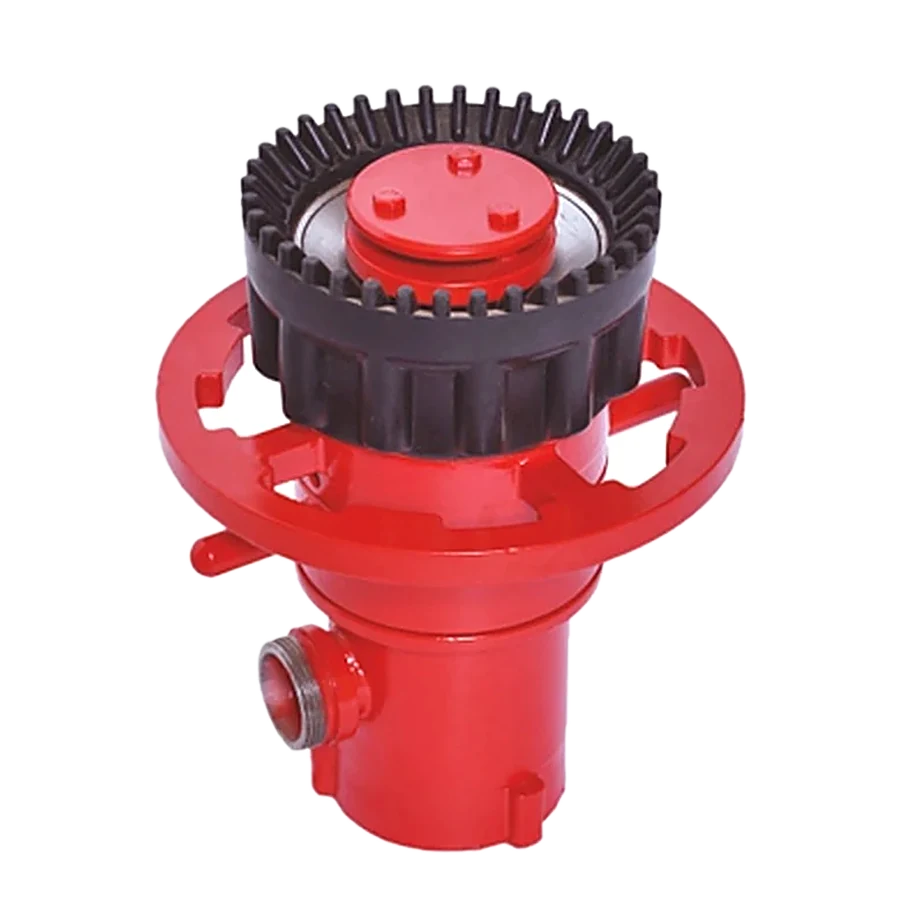
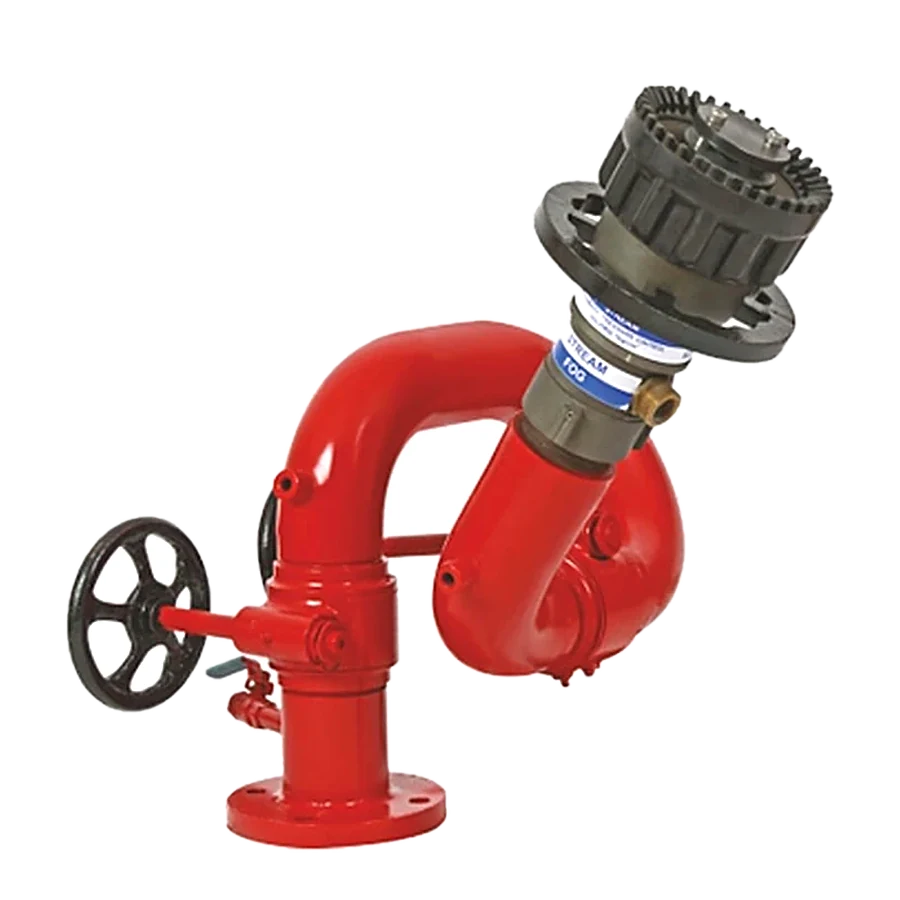
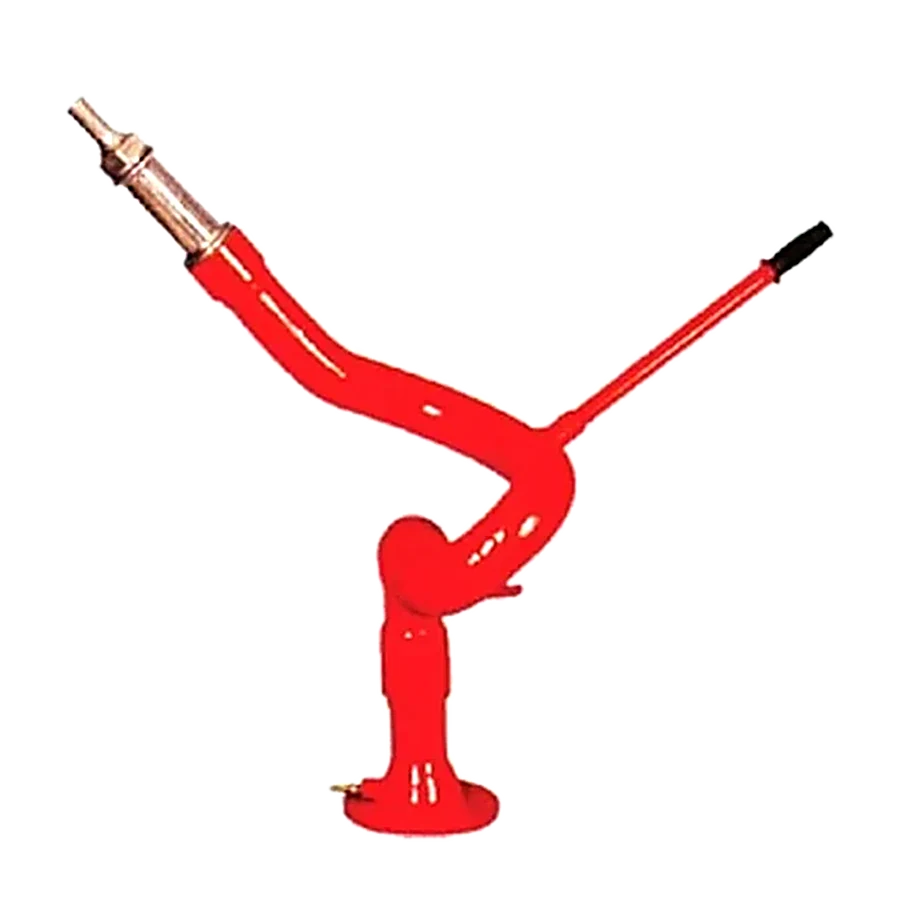
6. Branch Pipe and Firefighting Nozzle
Branch pipes and nozzles direct water from a hose towards the fire. The appropriate type depends on the required flow, application and compatibility with the hose and system.
Types of Fire Hydrant Systems
Fire hydrant arrangements vary according to building design, fire risk and applicable requirements. Common configurations include:
- Wet hydrant systems: The pipework is normally maintained full of water.
- Dry hydrant systems: Pipework is not normally kept full of water and is supplied when required, where this arrangement is appropriate.
- External hydrant systems: Hydrant outlets are installed outside buildings to support firefighting access.
- Internal hydrant systems: Hydrant outlets are provided within a building as part of its fire protection arrangement.
The suitable configuration should be determined by a qualified fire protection professional and the relevant authority requirements.
Where Are Fire Hydrant Systems Used?
Fire hydrant systems may be required in a range of facilities, depending on local regulations and the building’s risk assessment.
- Manufacturing plants and factories
- Warehouses and logistics centres
- Shopping malls and commercial buildings
- Office complexes
- Hotels and hospitals
- Large residential and mixed-use developments
How to Choose Fire Hydrant Equipment
Before purchasing fire hydrant equipment, consider the following:
- Required flow rate and operating pressure
- Pipework layout and system design
- Valve and coupling compatibility
- Hose length, diameter and approved ratings
- Material quality and environmental conditions
- Applicable fire safety standards and certification requirements
- Inspection, testing and maintenance arrangements
Do not select equipment based on price alone. Confirm compatibility with the approved system design and the relevant requirements before installation.
Benefits of a Properly Maintained Fire Hydrant System
A suitable and well-maintained hydrant system can support emergency firefighting by providing designated water outlets, organized equipment and access for trained responders.
Regular inspection and maintenance help identify damage, leakage, obstruction and other issues that could affect system performance.
Frequently Asked Questions
What is the purpose of a fire hydrant system?
Its purpose is to provide water outlets and supporting equipment for firefighting in buildings or outdoor areas, according to the system design.
What equipment is used in a fire hydrant system?
Typical equipment may include hydrant valves, pipes, fire pumps, hoses, hose boxes, branch pipes, nozzles and fire brigade inlets.
Is a fire hydrant system required in every building?
Not necessarily. Requirements depend on the building’s occupancy, size, height, fire risk and applicable local regulations.
How often should a fire hydrant system be inspected?
Inspection and testing schedules depend on applicable regulations, relevant standards, manufacturer guidance and the approved maintenance plan. Qualified personnel should carry out the required checks and tests.
Where can I enquire about fire hydrant equipment in India?
Contact Max Fire Safety to enquire about available firefighting products, specifications and quotations for your project.
Contact Max Fire Safety
Looking for fire hydrant valves, fire hoses, hose boxes, nozzles or other firefighting equipment?
Visit https://maxfiresafety.com/ to explore the available products and contact Max Fire Safety with your requirements.
Follow US
https://www.instagram.com/maxmifiresafety_solution
https://www.youtube.com/@MAXMIFireSafetySolution