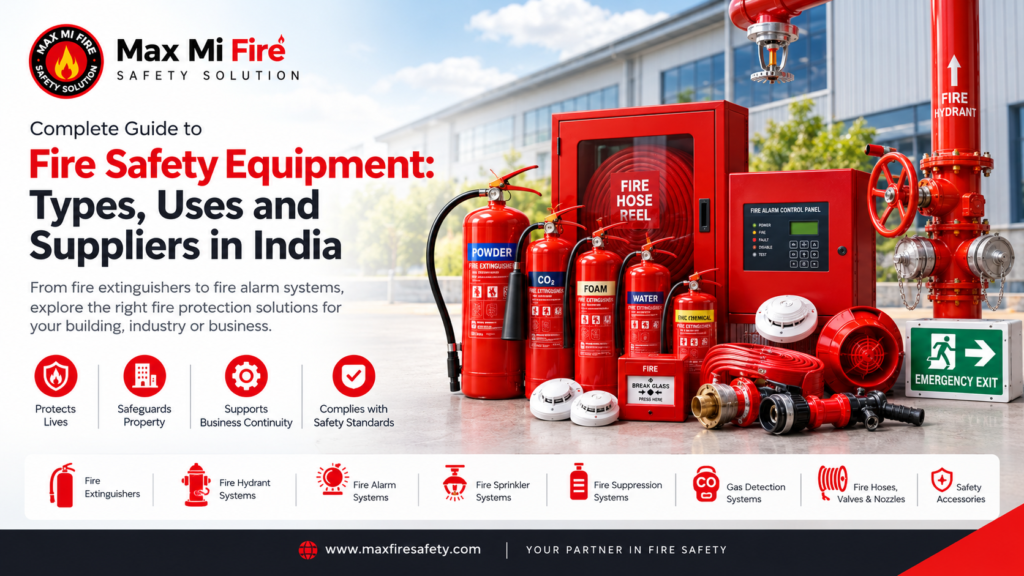
Fire safety plays an essential role in protecting people, property, equipment and business operations. Whether you manage a factory, warehouse, office, hospital, hotel, shopping mall or residential building, choosing the right fire protection equipment helps you prepare for potential fire emergencies.
Max Fire Safety provides fire safety and firefighting equipment solutions for commercial, industrial and other building requirements. From fire extinguishers and fire alarm systems to fire hydrant equipment, sprinkler systems, fire suppression products and safety accessories, the right equipment depends on your site’s fire risks and applicable safety requirements.
In this guide, we explain the major types of fire safety equipment, their uses, important components and factors to consider when selecting products.
What Is Fire Safety Equipment?
Fire safety equipment includes devices and systems that help detect fires, alert occupants, control or suppress flames, support evacuation and assist trained emergency responders.
For example, fire extinguishers help control certain small fires, while fire alarm systems provide warnings when they detect specified signs of fire. Similarly, fire hydrant and sprinkler systems support firefighting and fire control through water-based arrangements.
Therefore, a complete fire protection plan often combines several types of equipment rather than relying on one product alone.
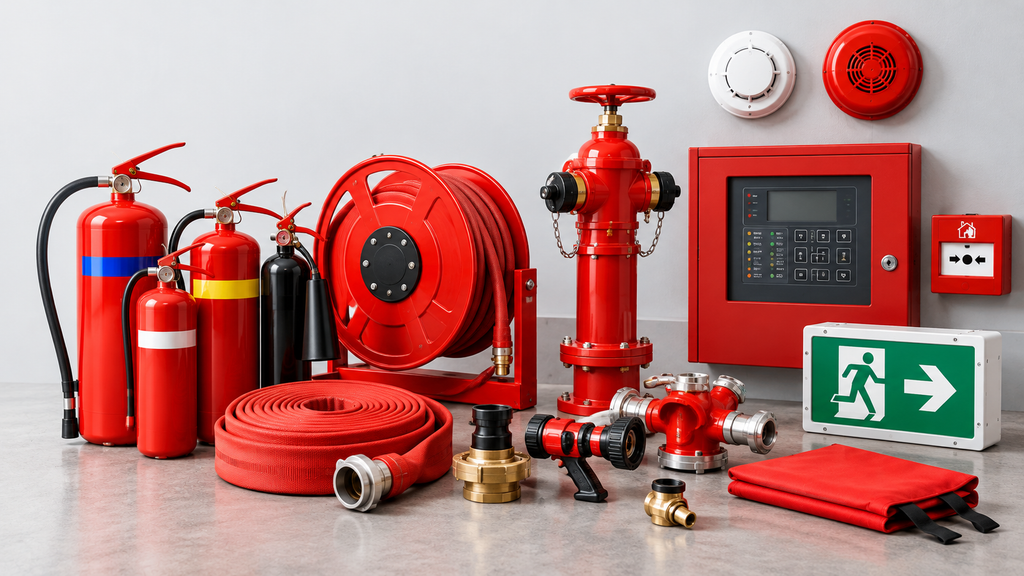
1. Fire Extinguishers and Their Types
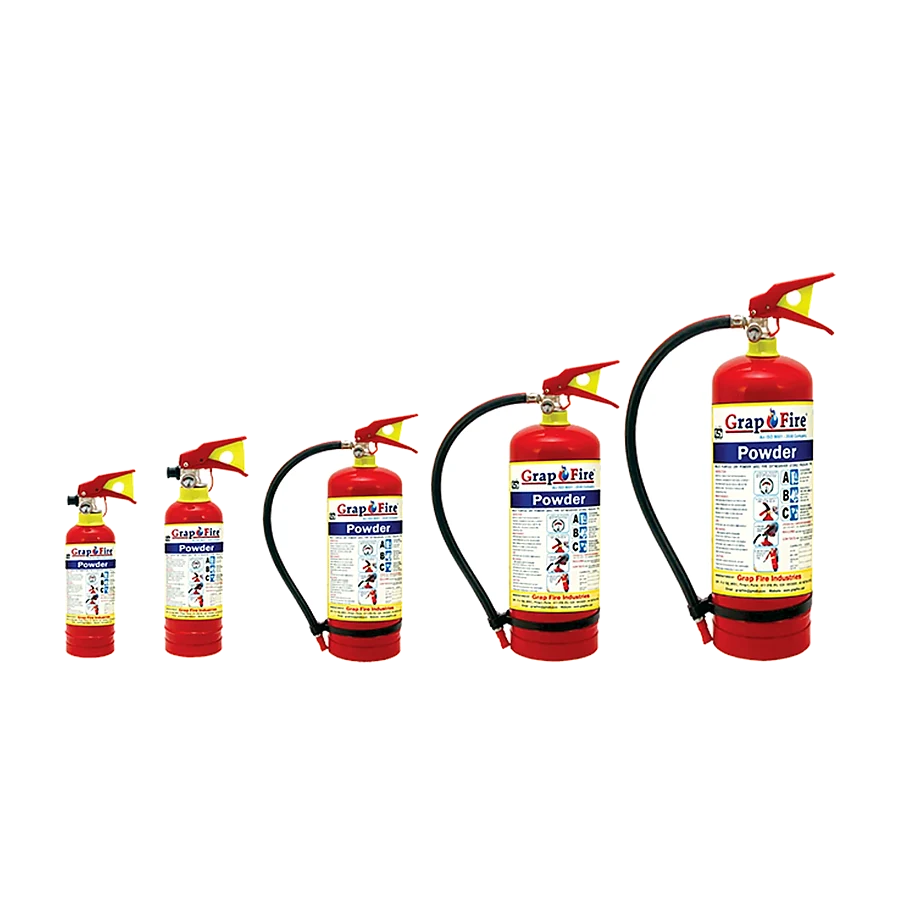
A fire extinguisher is one of the most common types of portable fire safety equipment. However, different extinguishers suit different fire hazards, so users must select the correct type for their application.
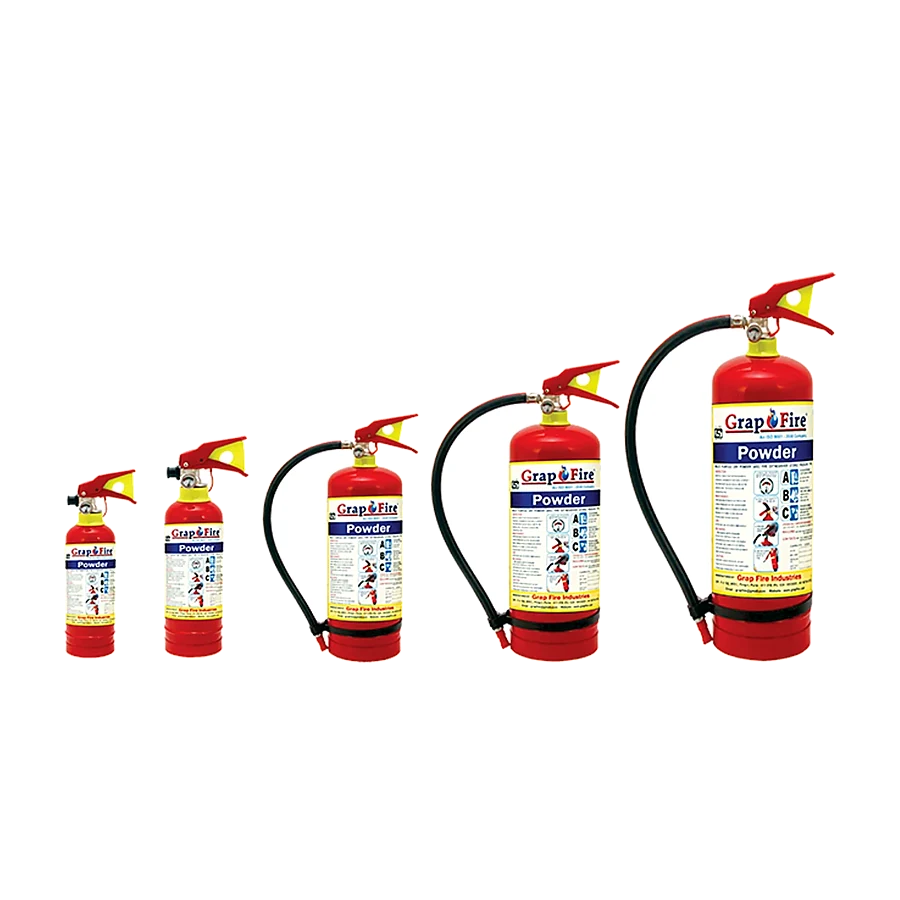
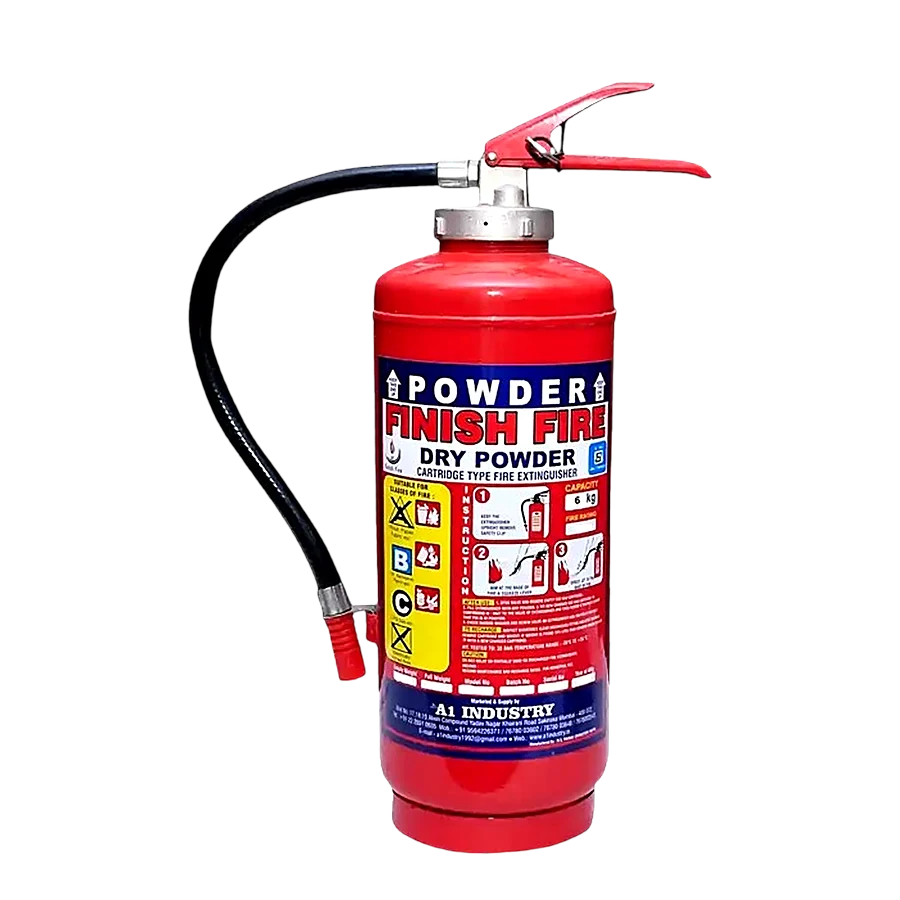
ABC Dry Powder Fire Extinguisher
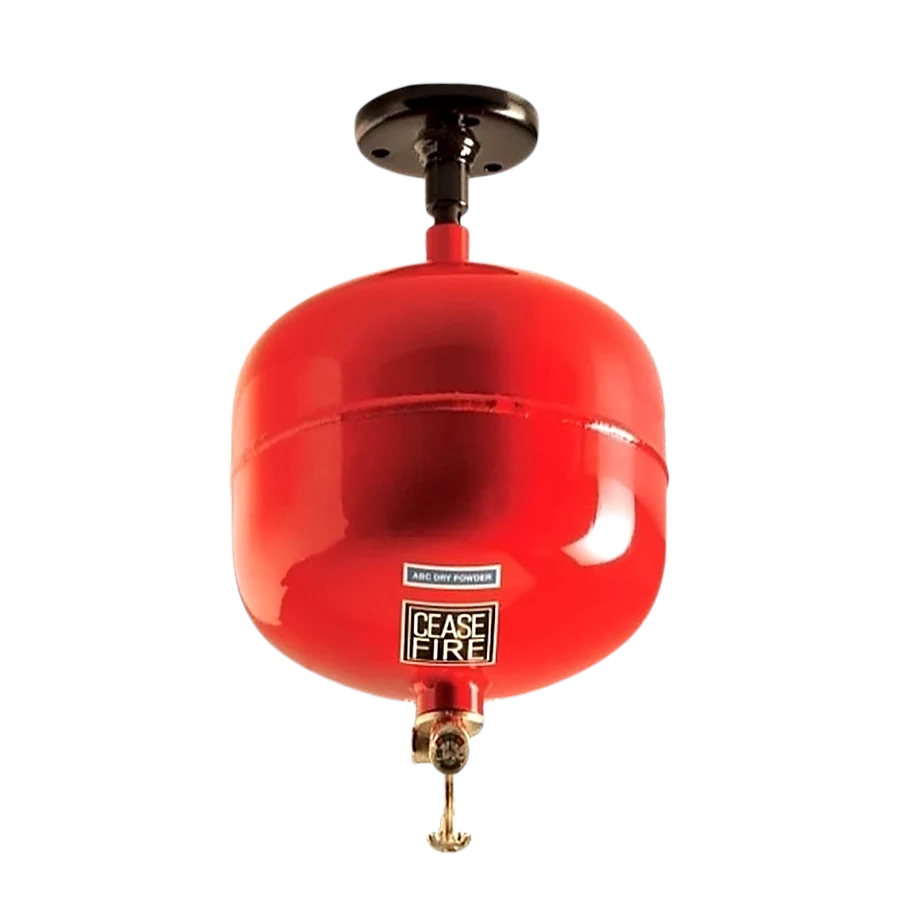
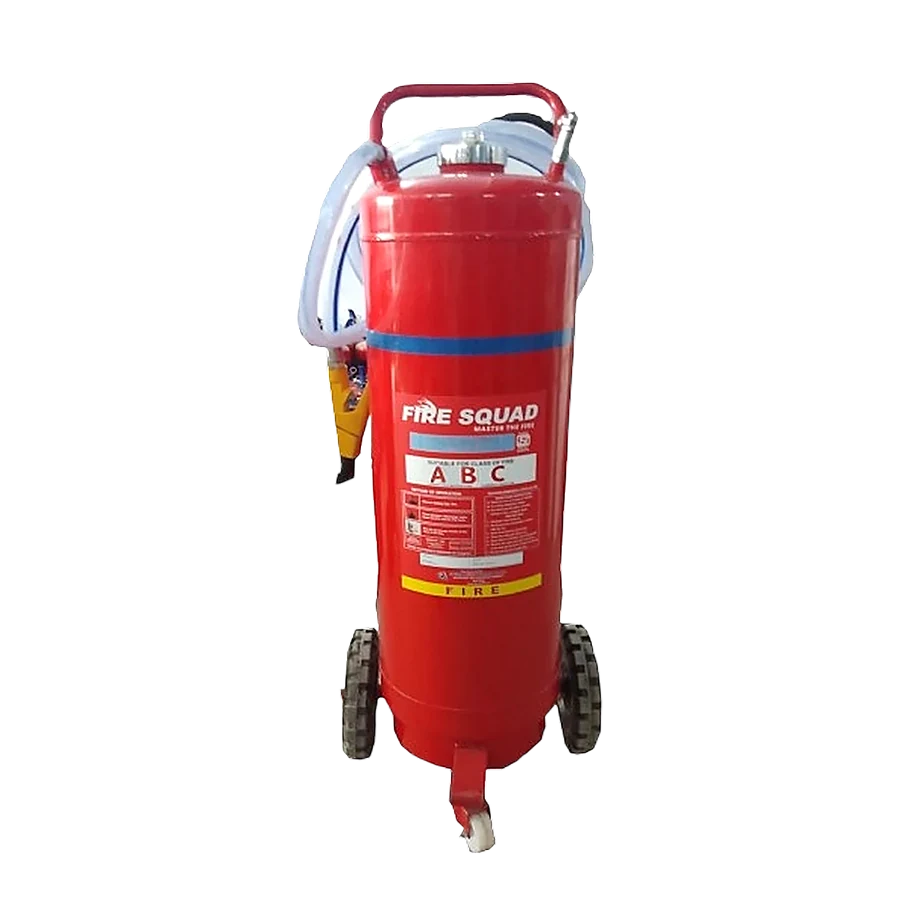
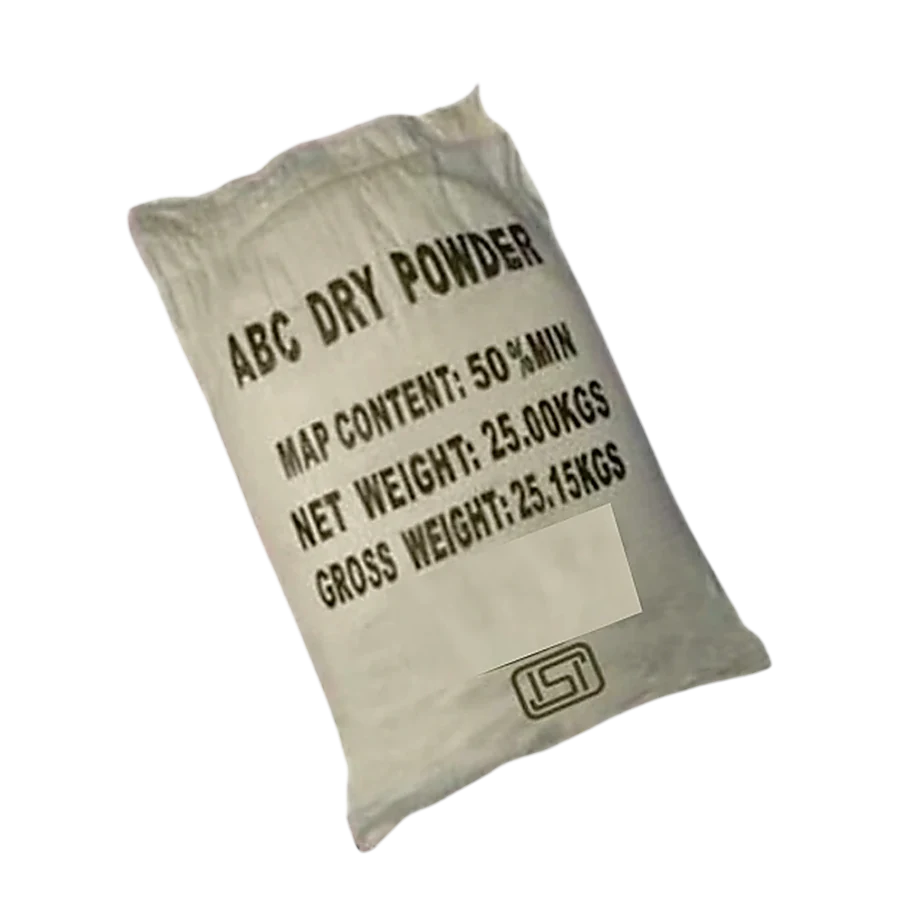
An ABC dry powder fire extinguisher can protect against several common fire risks involving ordinary combustible materials, flammable liquids and gases, subject to its rating and instructions.
Common applications: Offices, shops, warehouses, workshops and suitable industrial facilities.
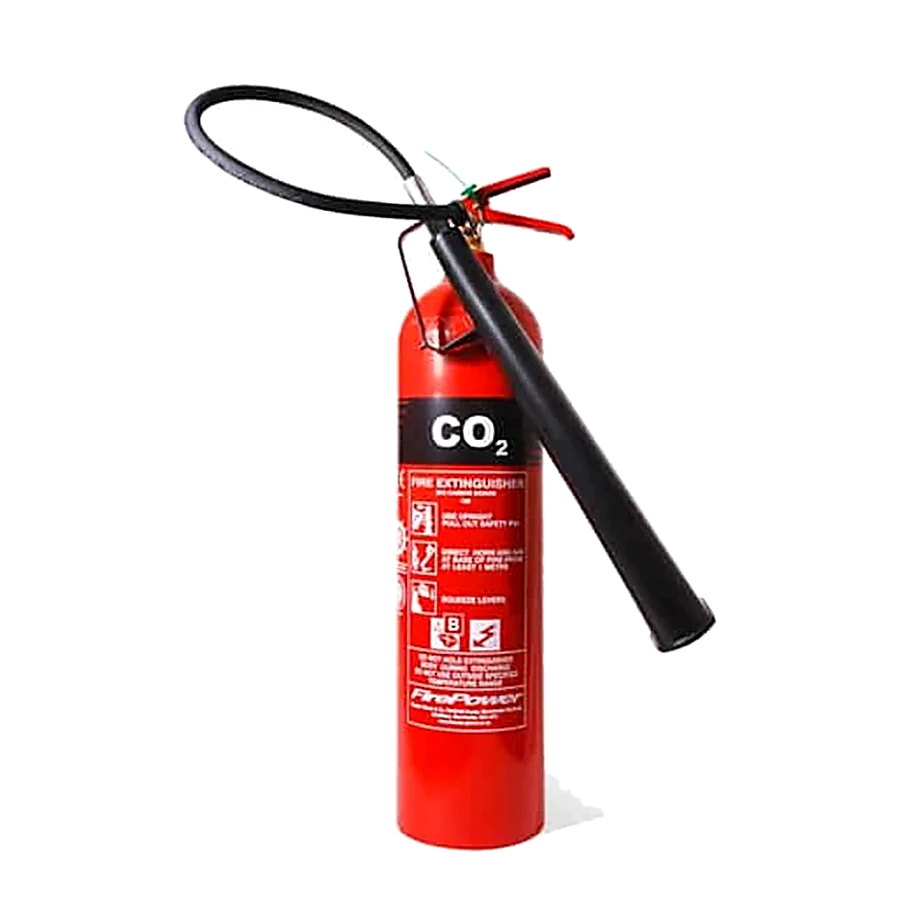
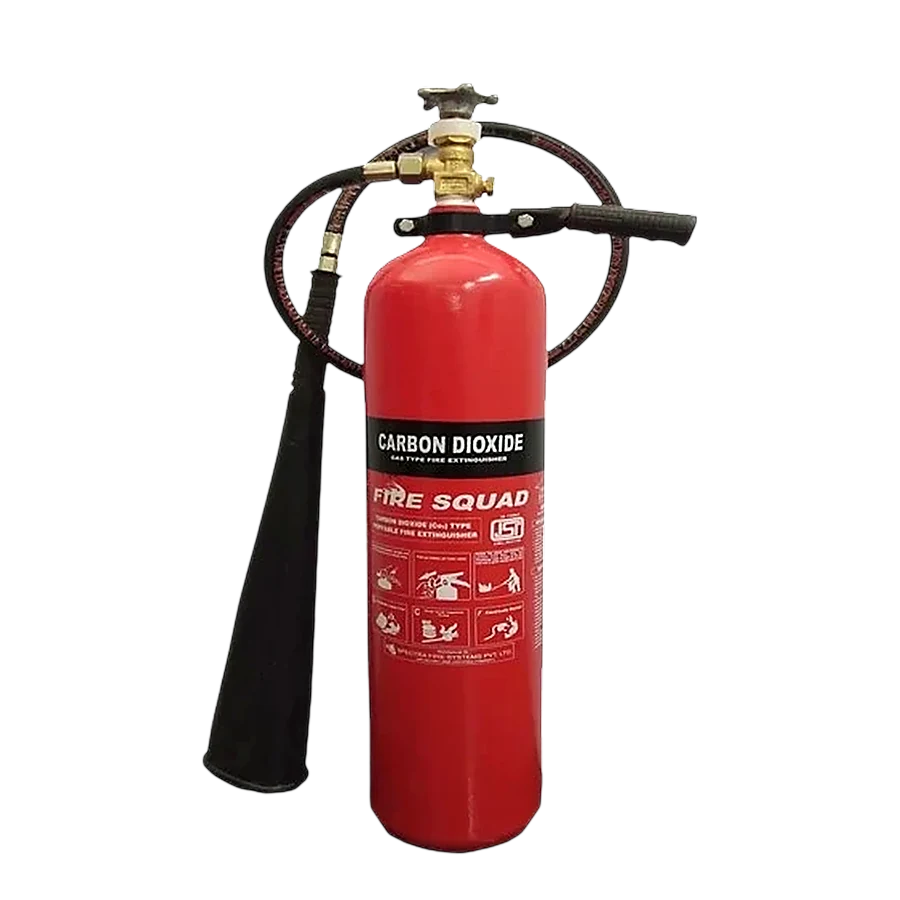
CO₂ Fire Extinguisher
A CO₂ fire extinguisher is suitable for certain flammable-liquid and electrical equipment fire risks when its rating and instructions permit its use.
Common applications: Electrical rooms, offices, laboratories and equipment areas.
CO₂ can displace oxygen, so users must follow the manufacturer’s safety instructions, particularly in confined spaces.
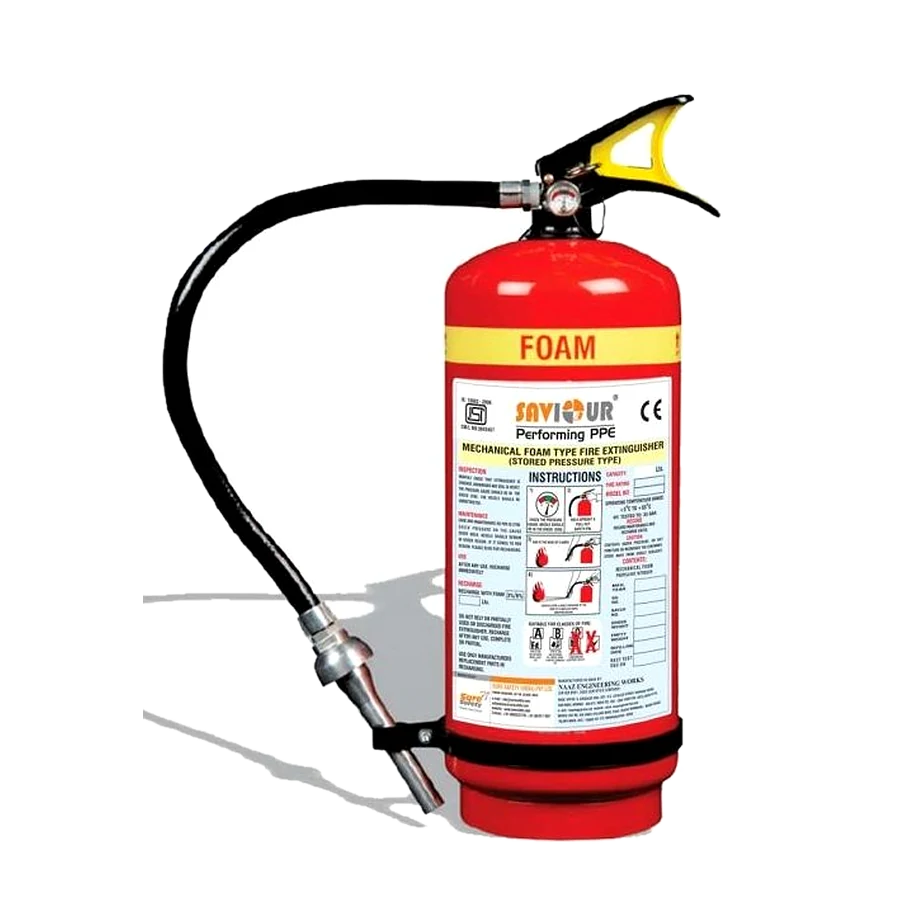
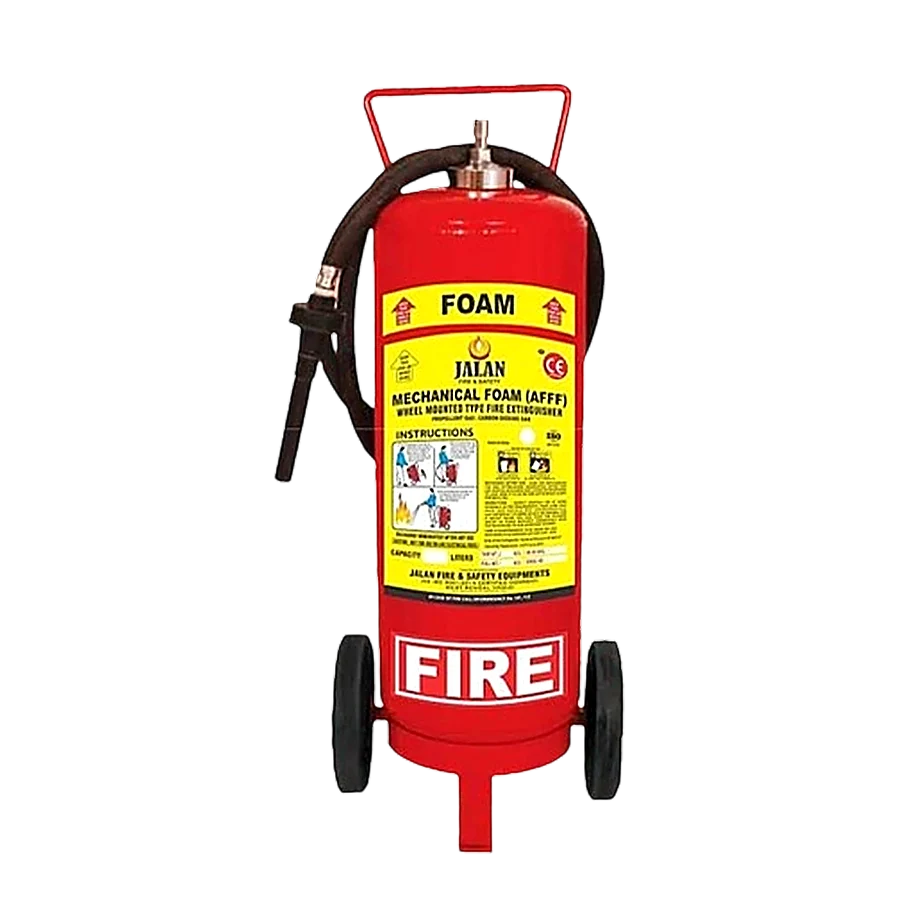
Foam Fire Extinguisher
A foam fire extinguisher can control certain flammable-liquid fires and other approved fire classes, depending on the product.
Common applications: Selected industrial facilities, workshops and areas handling flammable liquids.
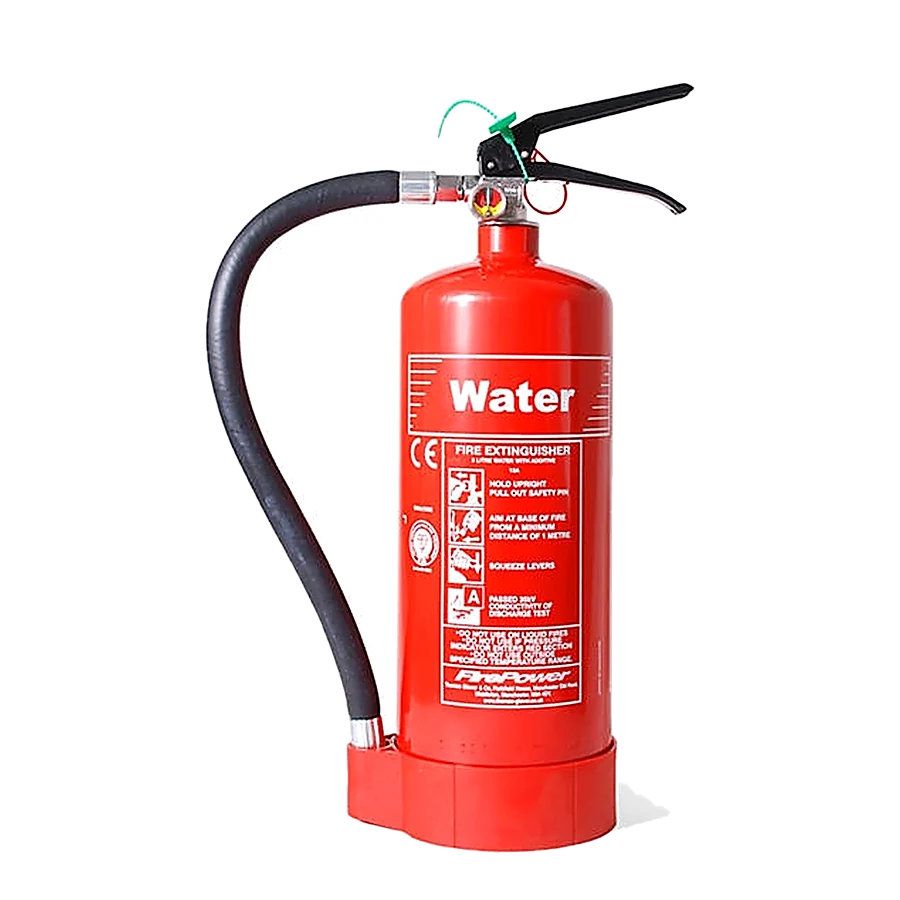
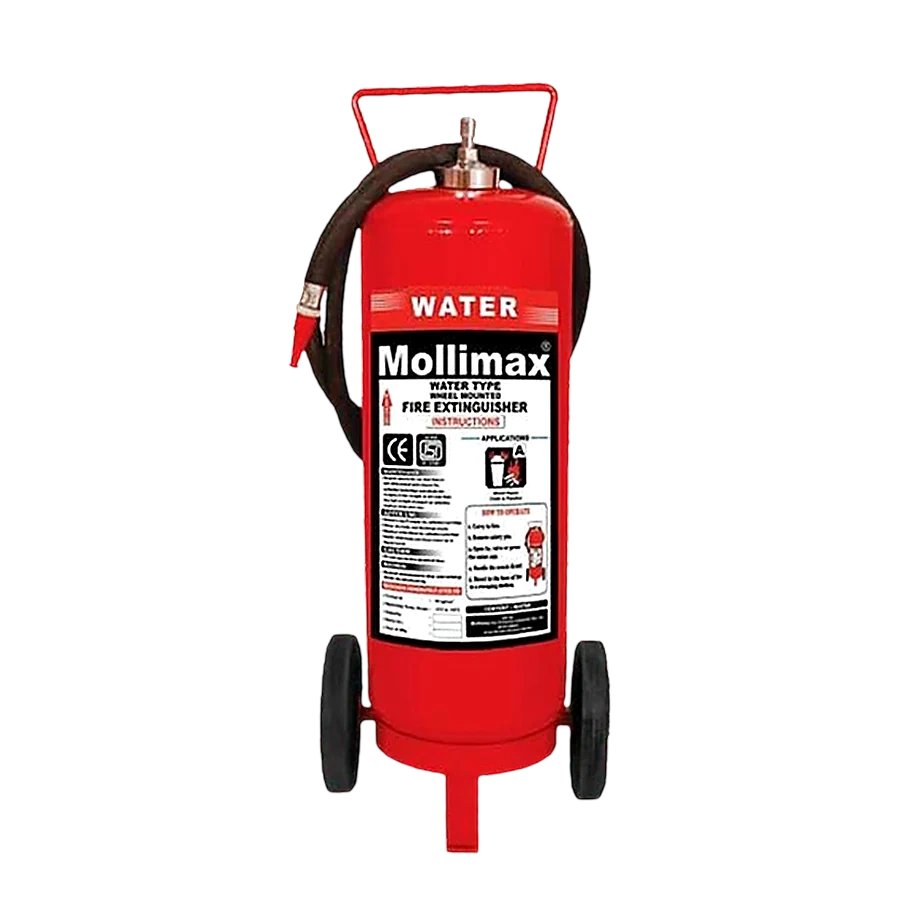
Water Fire Extinguisher
Water extinguishers are designed for suitable Class A fires involving materials such as paper, wood and textiles. Never use a standard water extinguisher on energised electrical equipment or flammable-liquid fires.
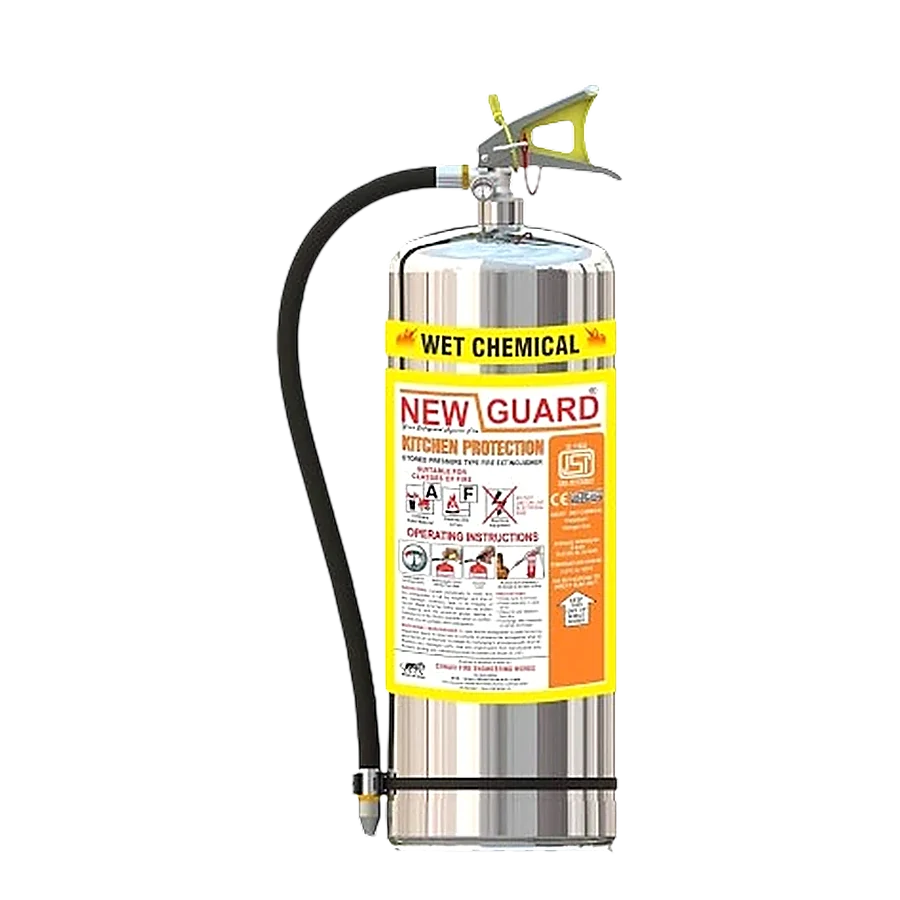
Wet Chemical Fire Extinguisher
Wet chemical extinguishers are designed for specific cooking-oil and fat fire hazards.
Common applications: Commercial kitchens, restaurants, canteens and food preparation areas.
Other Fire Extinguisher Products
Depending on your requirements, fire extinguisher product ranges may also include:
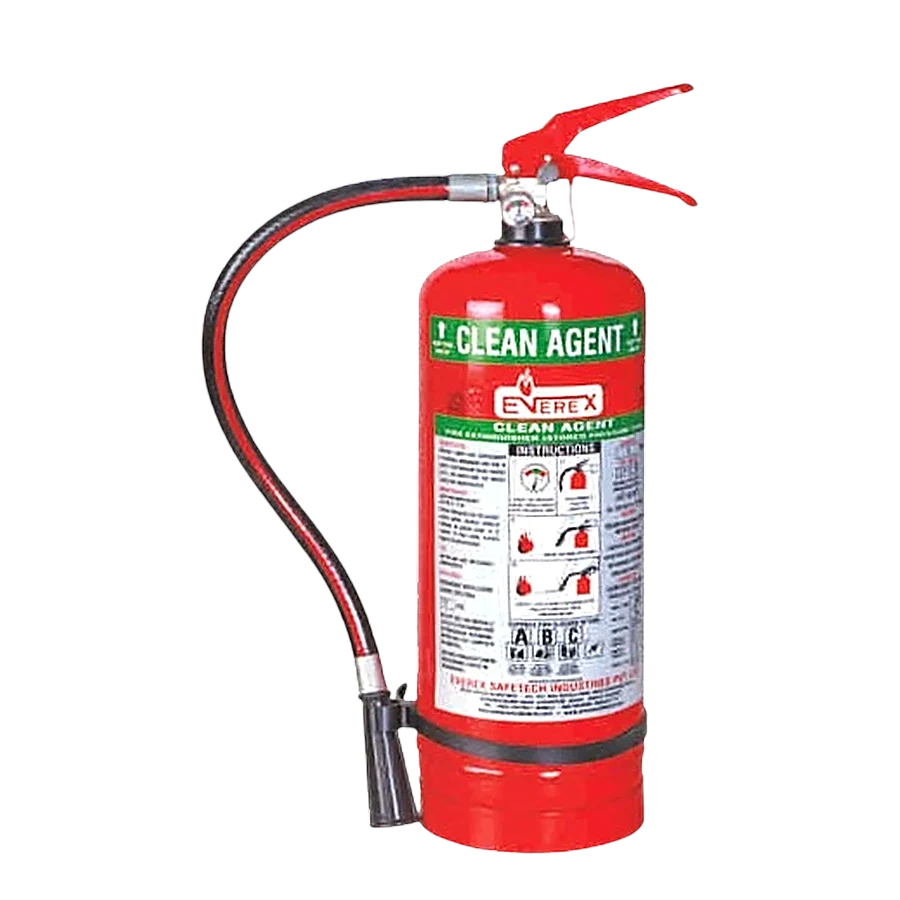
- Clean-agent fire extinguishers
- Modular automatic fire extinguishers
- Trolley-mounted fire extinguishers
- Portable fire extinguishers
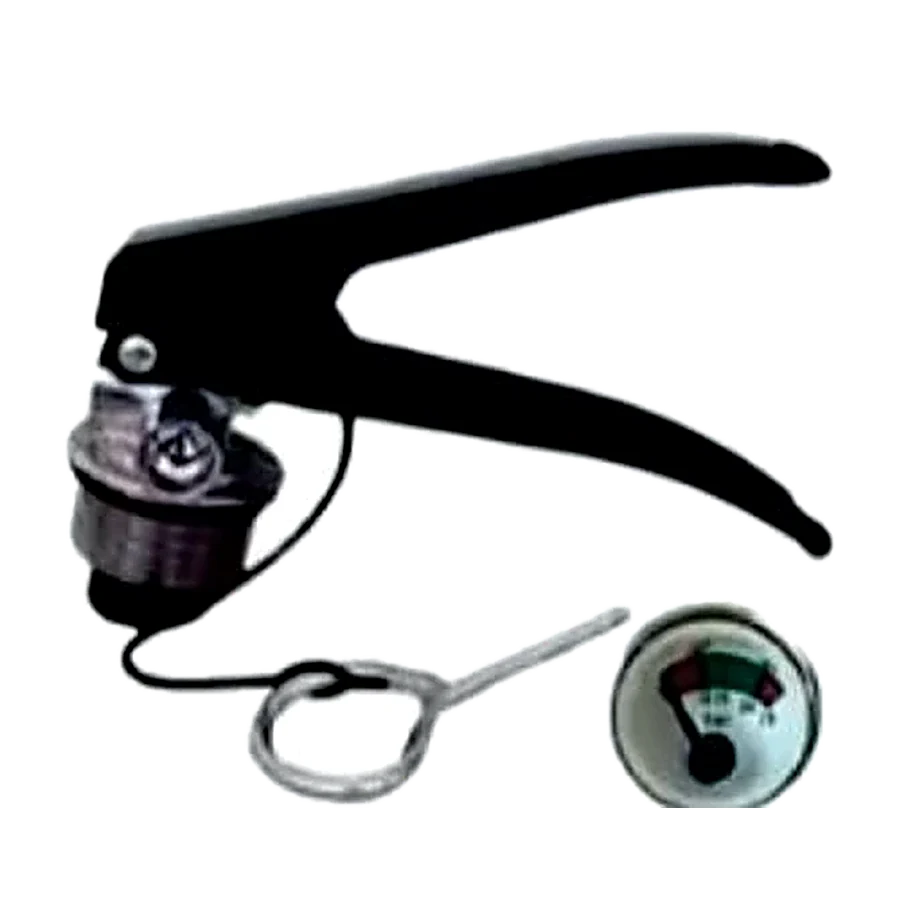
- Fire extinguisher accessories and replacement parts
- Approved extinguisher refill and maintenance supplies
Before purchasing, confirm the extinguisher’s fire rating, capacity, suitability and maintenance requirements.
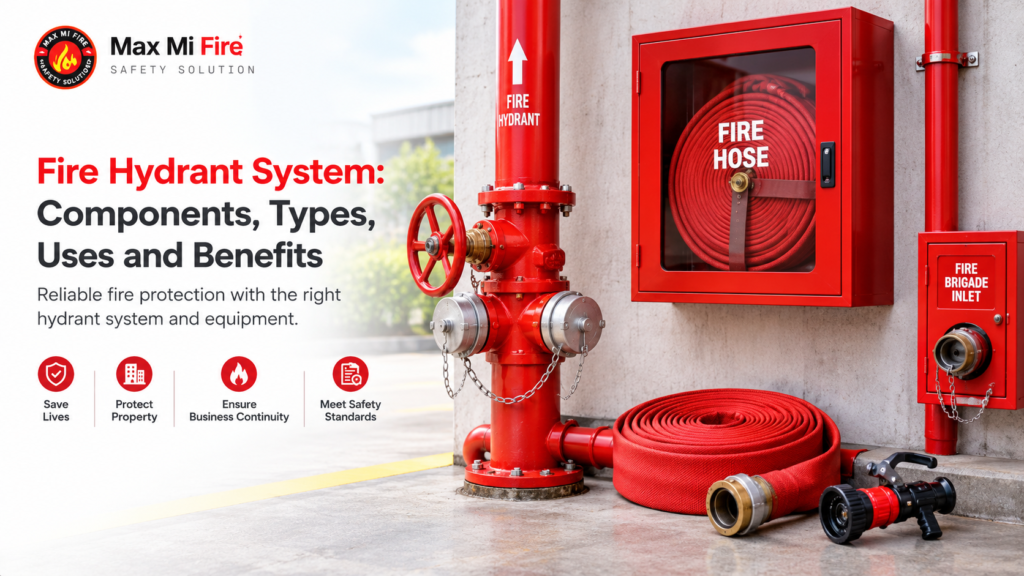
2. Fire Hydrant System and Equipment
A fire hydrant system provides designated water outlets and supporting equipment for firefighting. These systems commonly form part of fire protection arrangements in large commercial and industrial buildings.
A fire hydrant system may include the following components.
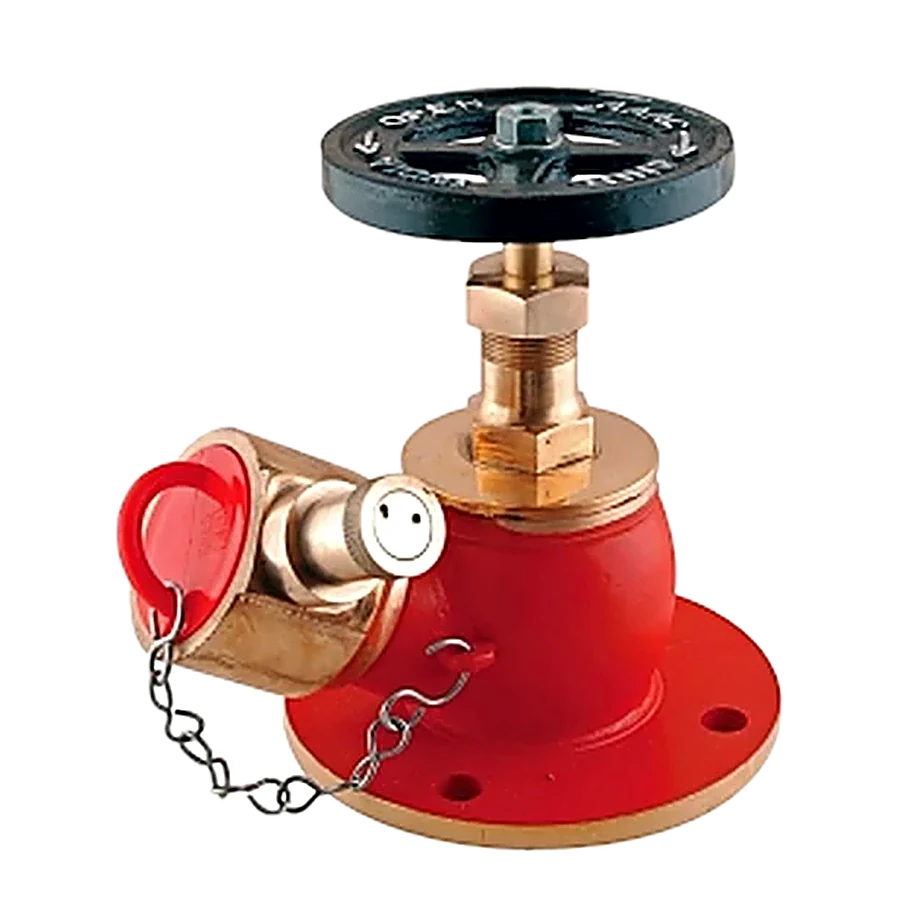
Fire Hydrant Valves and Landing Valves
Fire hydrant valves and landing valves control water flow from designated hydrant outlets. Select the correct type, size and pressure rating according to the approved system design.
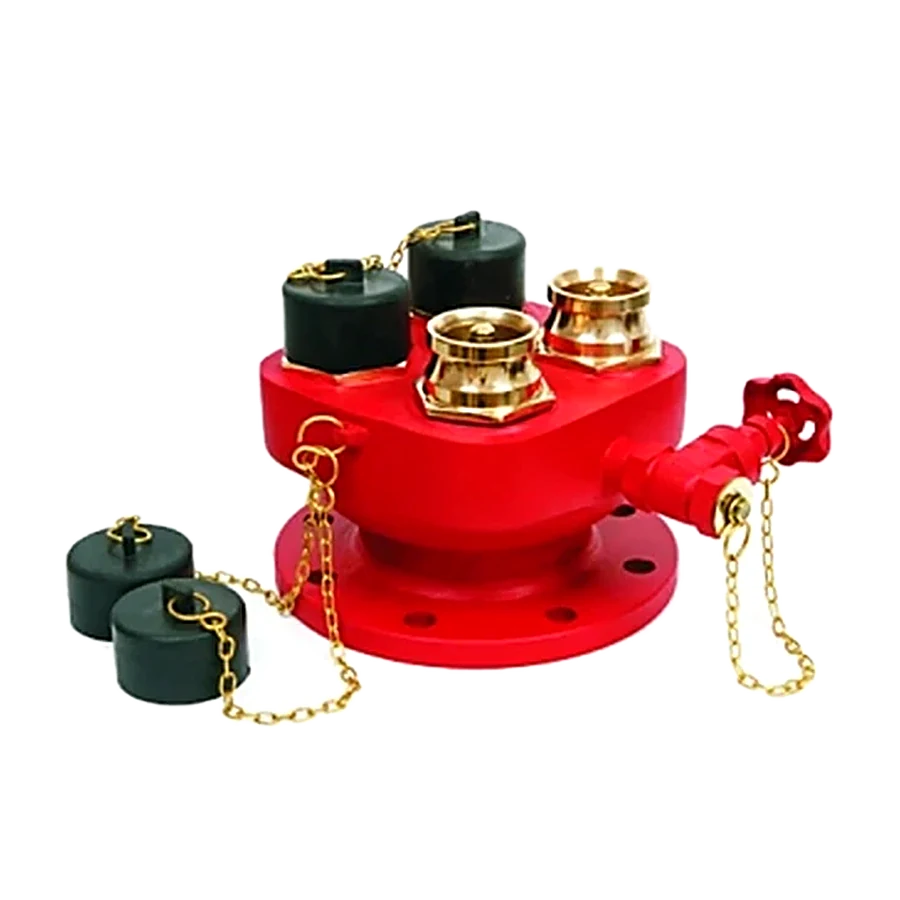
Fire Brigade Inlet
A fire brigade inlet provides a connection point for compatible fire service equipment where the system design includes one.
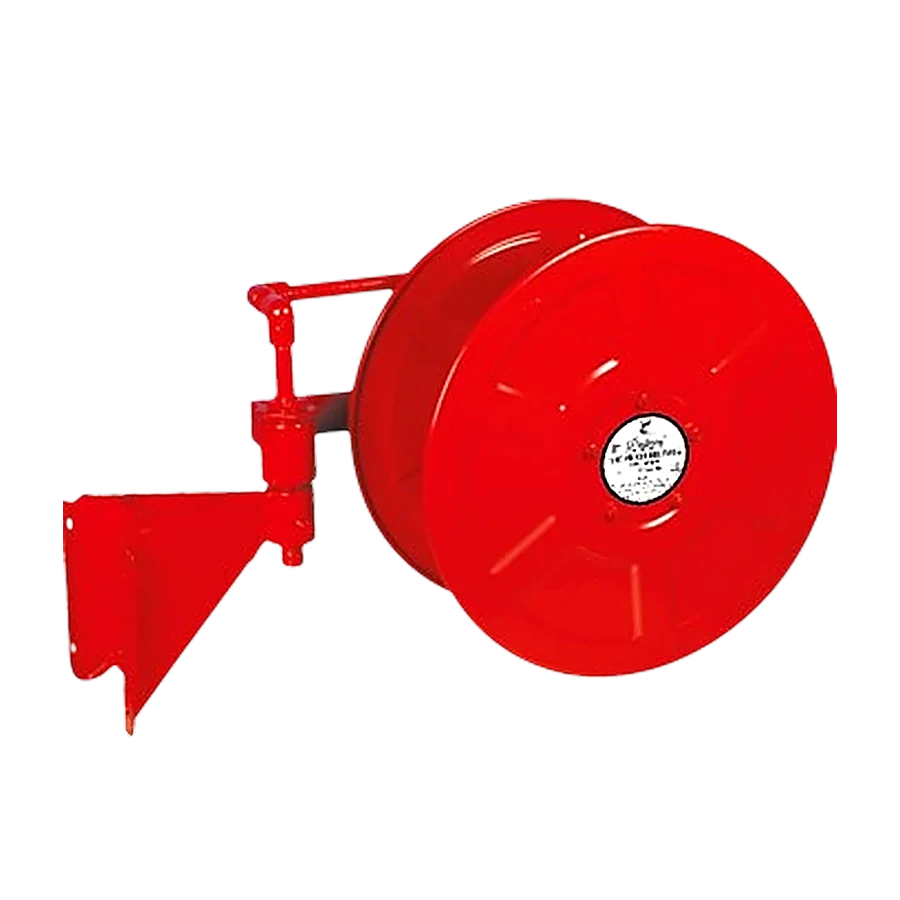
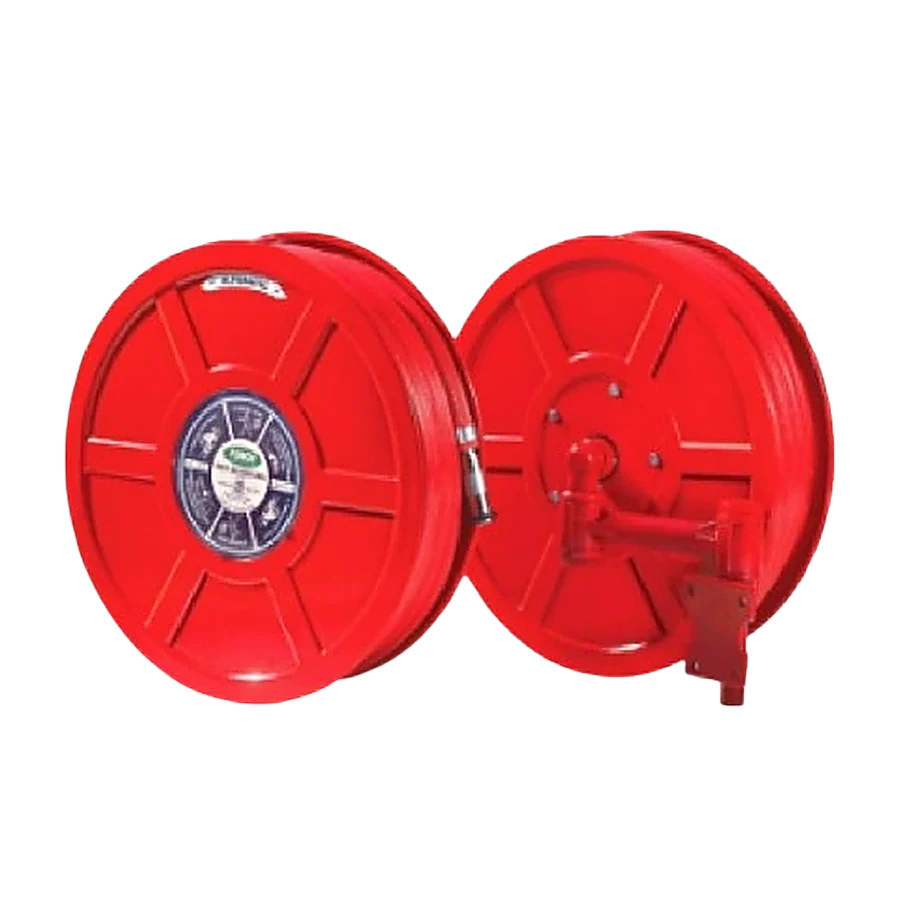
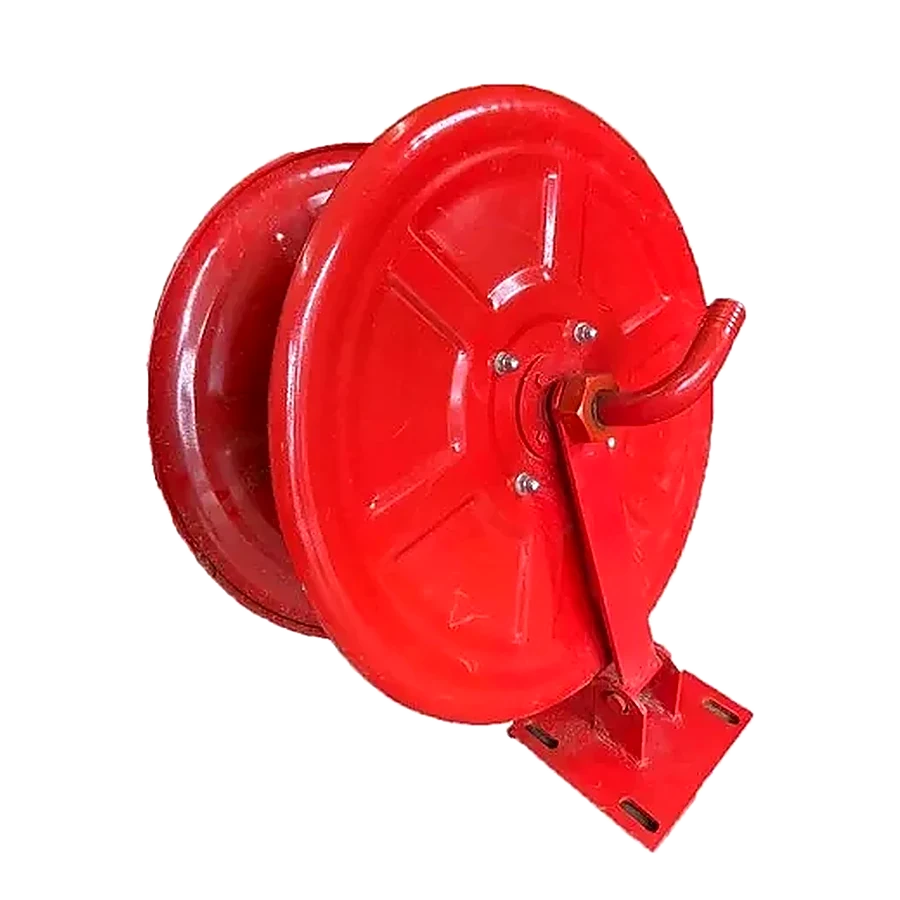
Fire Hose Reel and Hose Reel Drum
A fire hose reel stores a hose on a reel and provides access to it in systems designed for that application. Suitable installation and maintenance help keep the equipment ready for use.
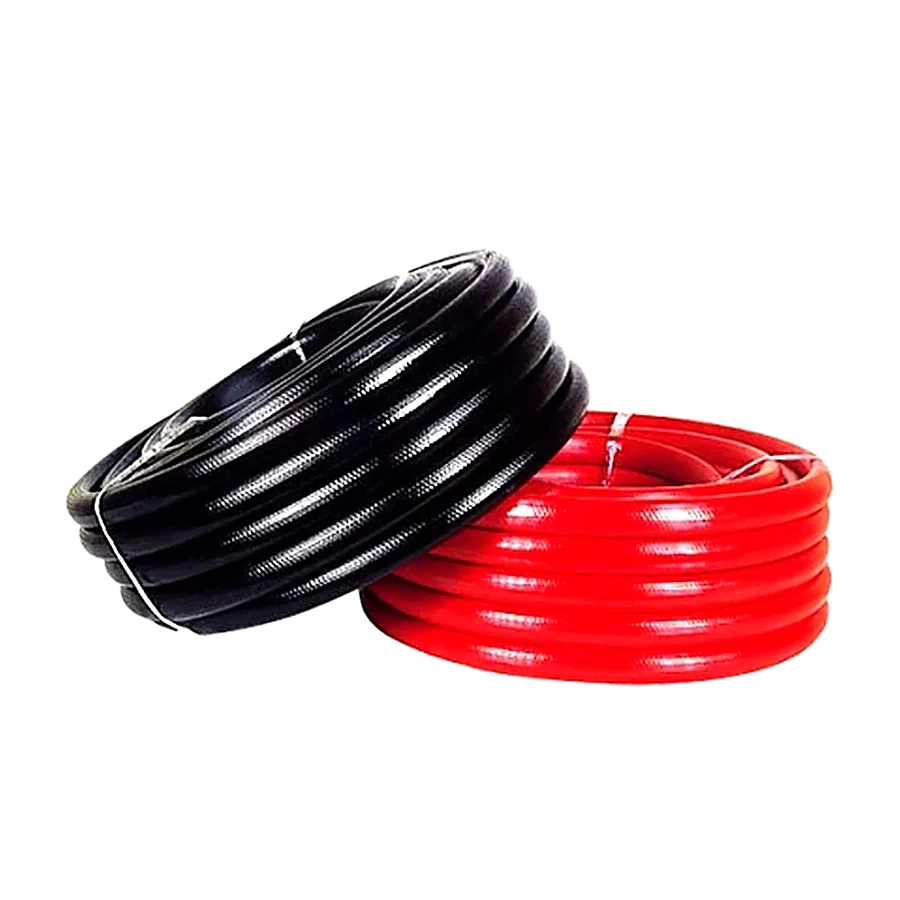
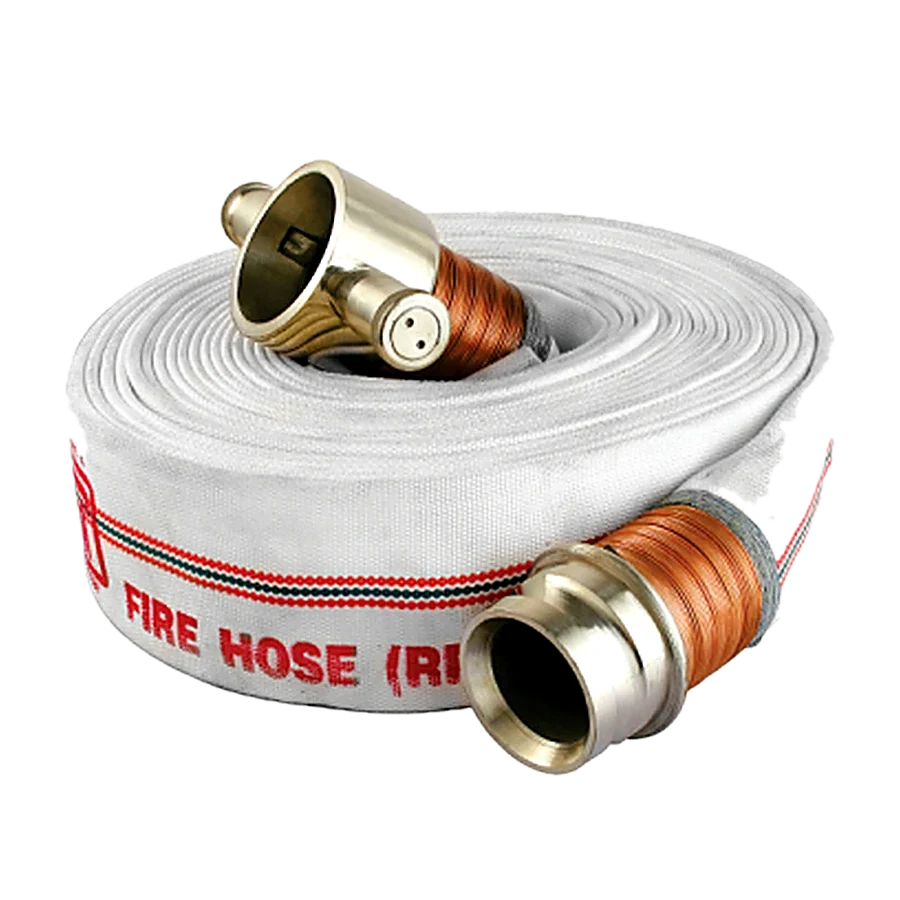
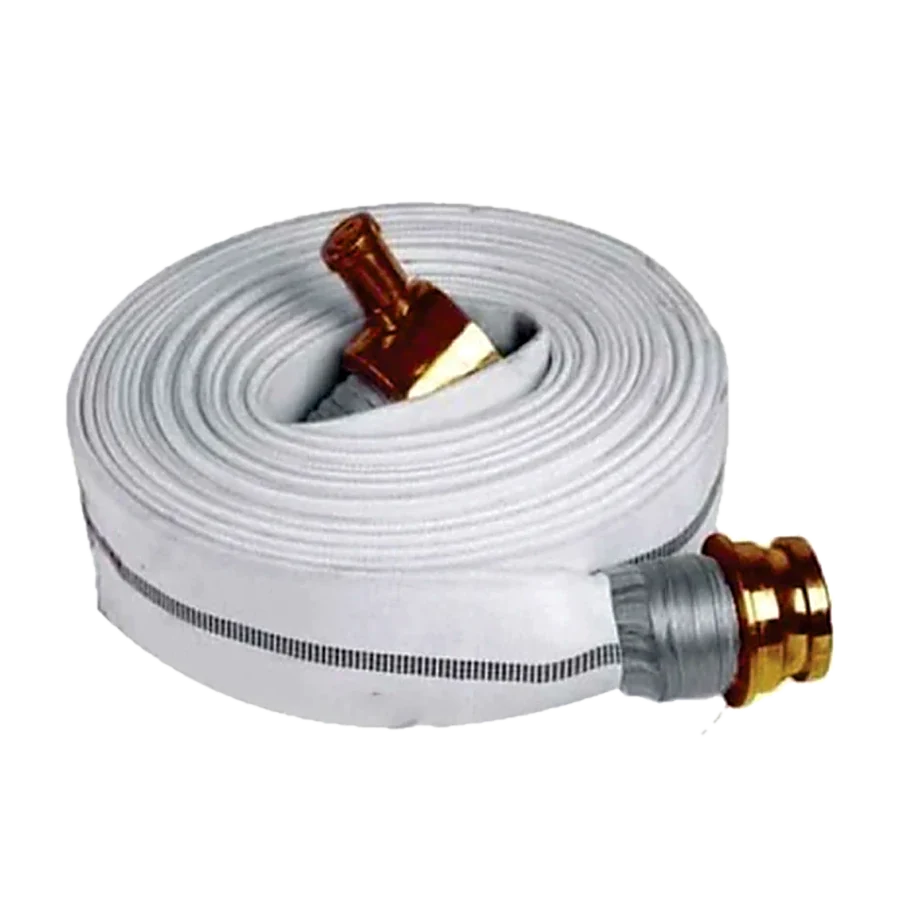
Fire Fighting Hose Pipe
Firefighting hoses transport water or other approved firefighting media. Product selection depends on the intended application, pressure rating, diameter, length and coupling compatibility.
Common product types may include RRL fire hoses, CP hoses and other compatible firefighting hose assemblies.
Fire Hose Box and Cabinet
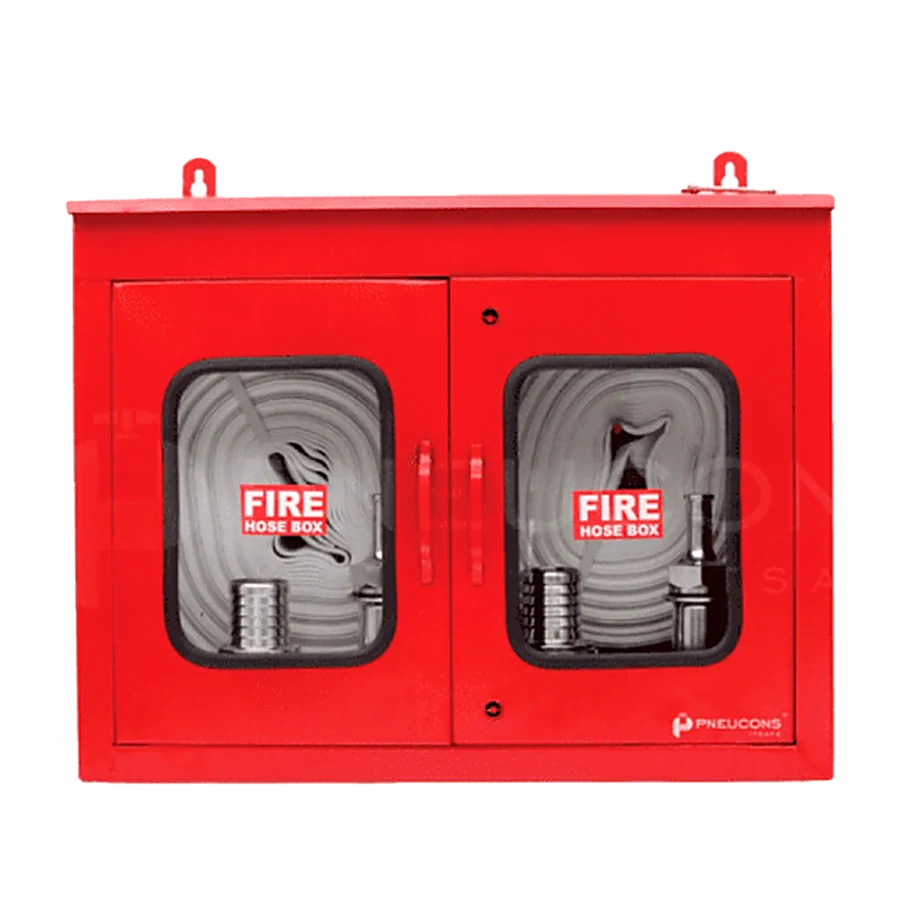
A fire hose box or cabinet helps store and organize designated firefighting equipment. It can house compatible hoses, valves, branch pipes and accessories according to the installation design.
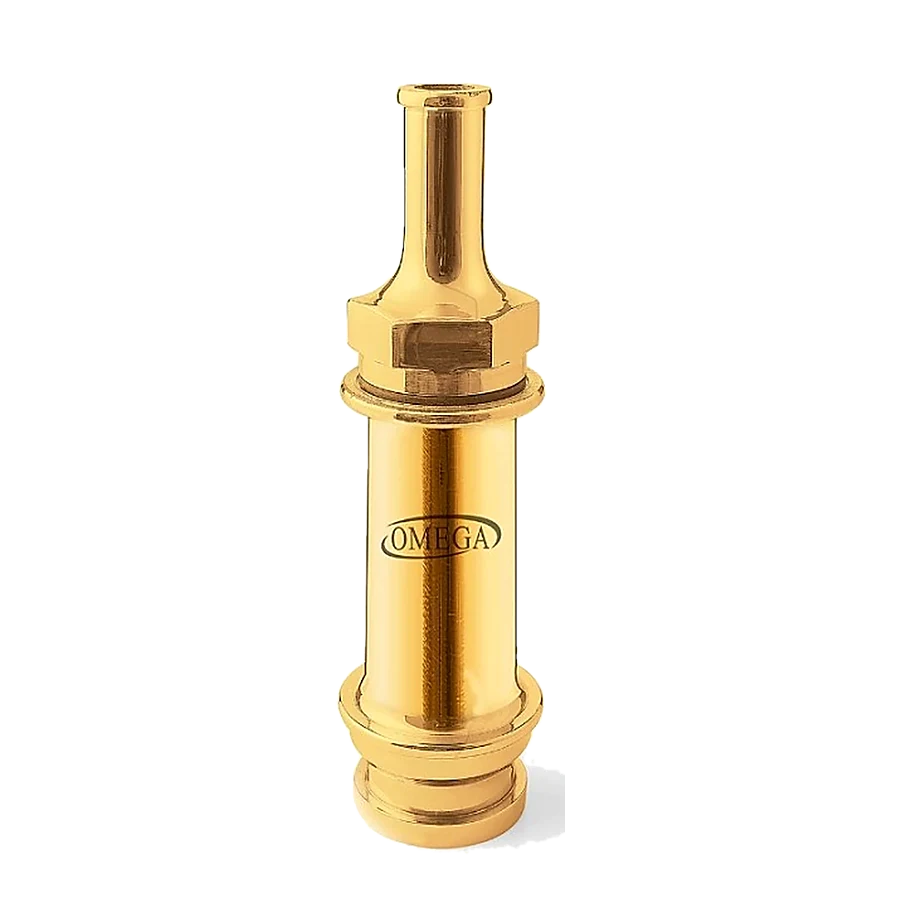
Fire Fighting Nozzles and Branch Pipes
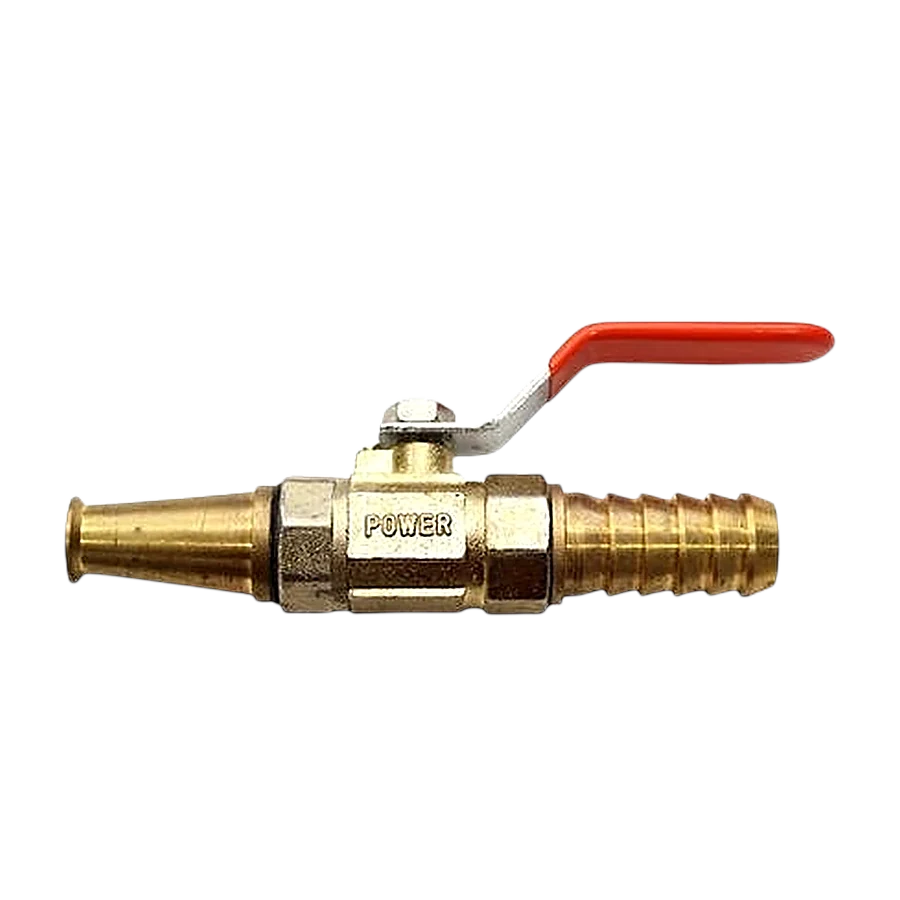
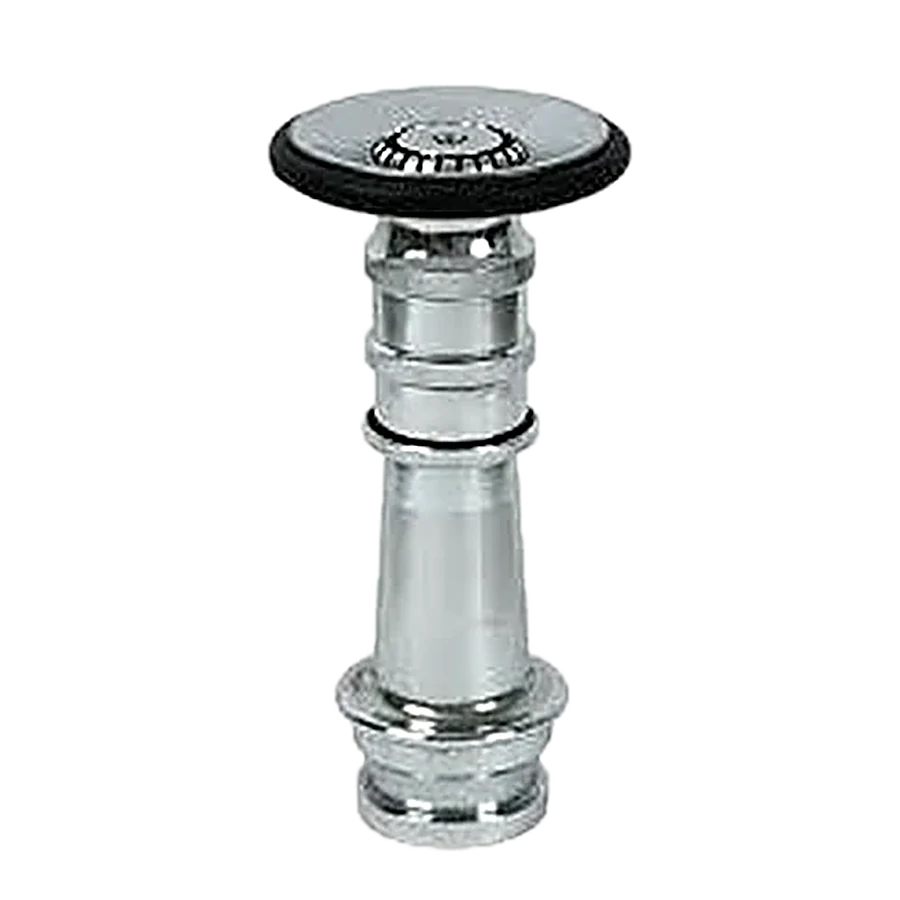
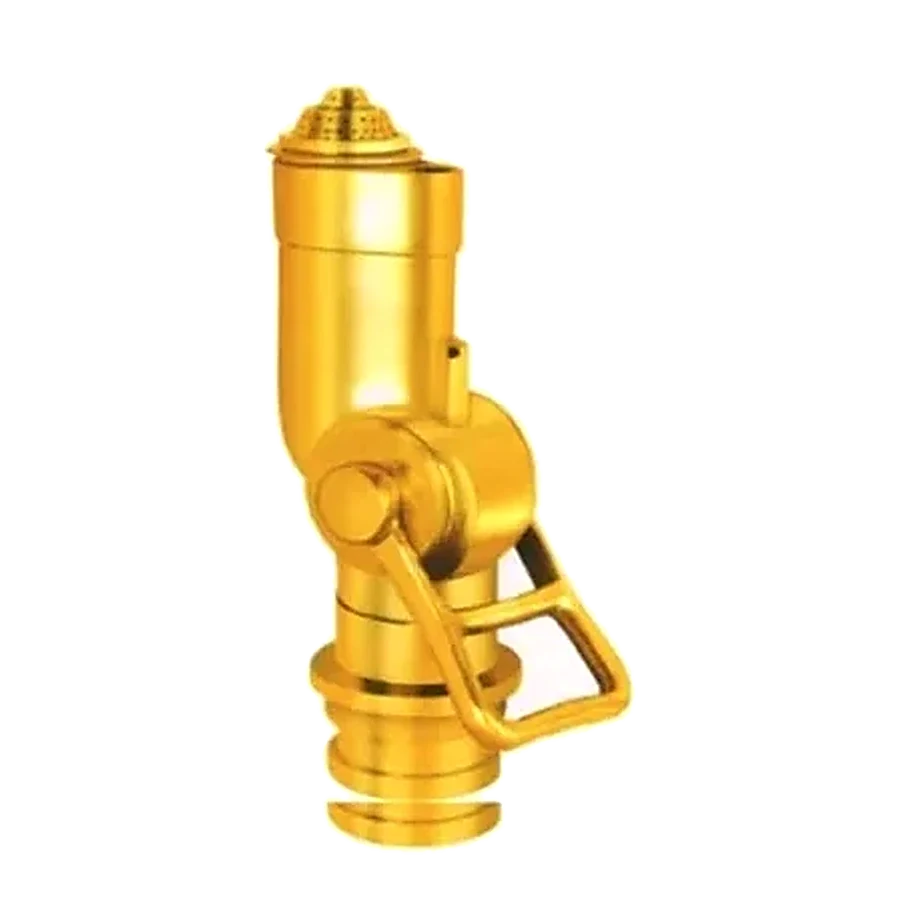
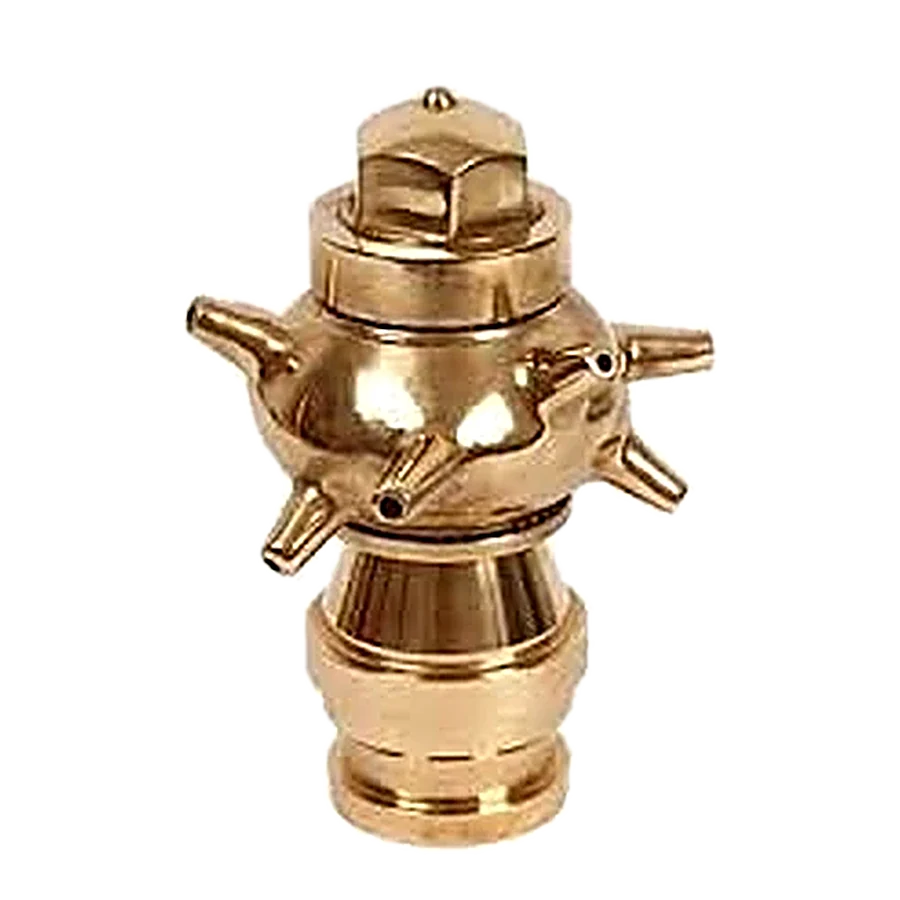
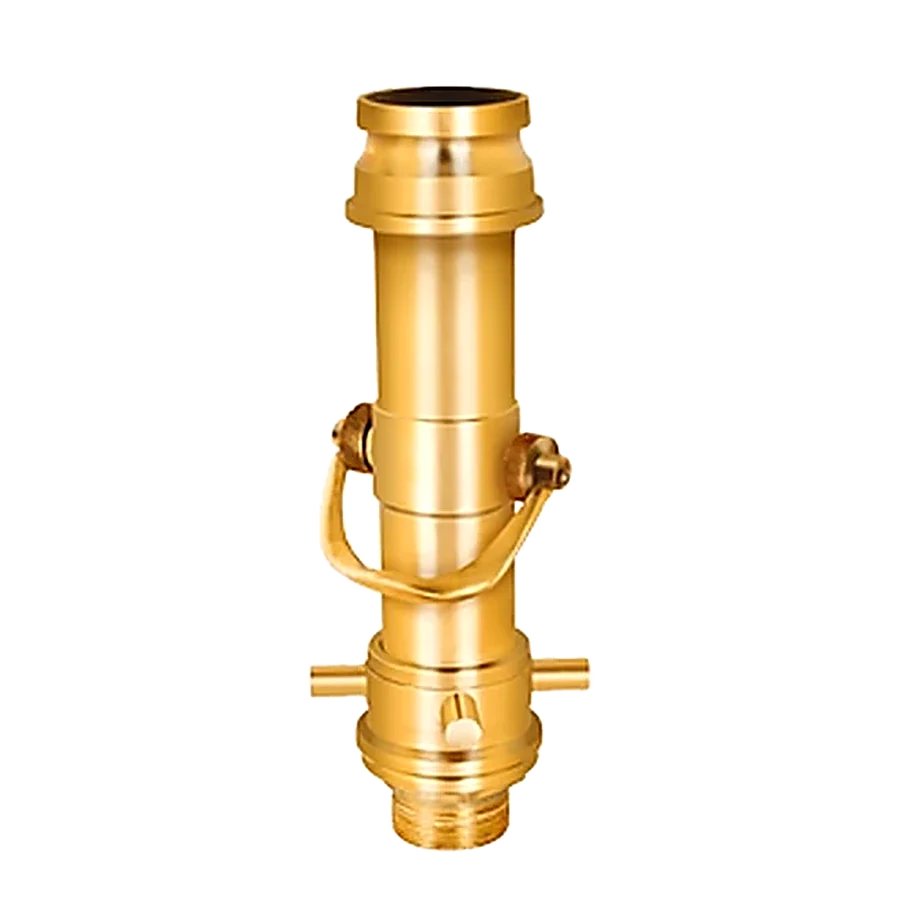
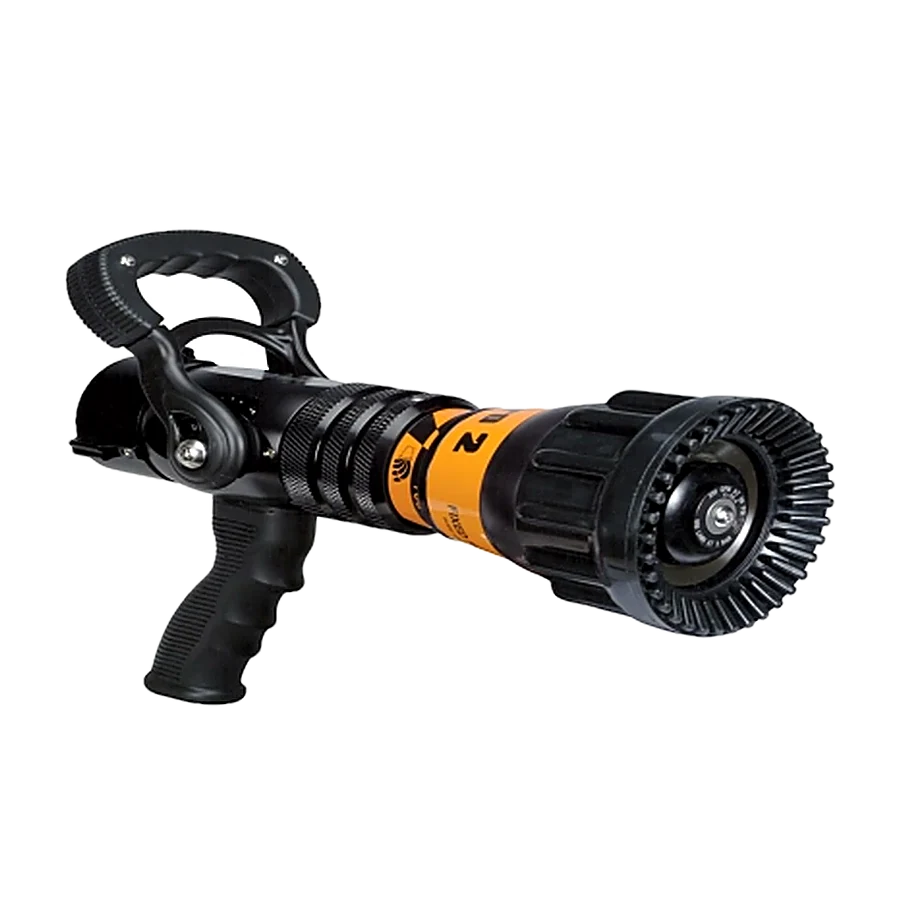
Firefighting nozzles and branch pipes direct water from the hose towards the target area. Available designs may include shut-off nozzles, fog nozzles, jet nozzles, triple-purpose nozzles and revolving nozzles.
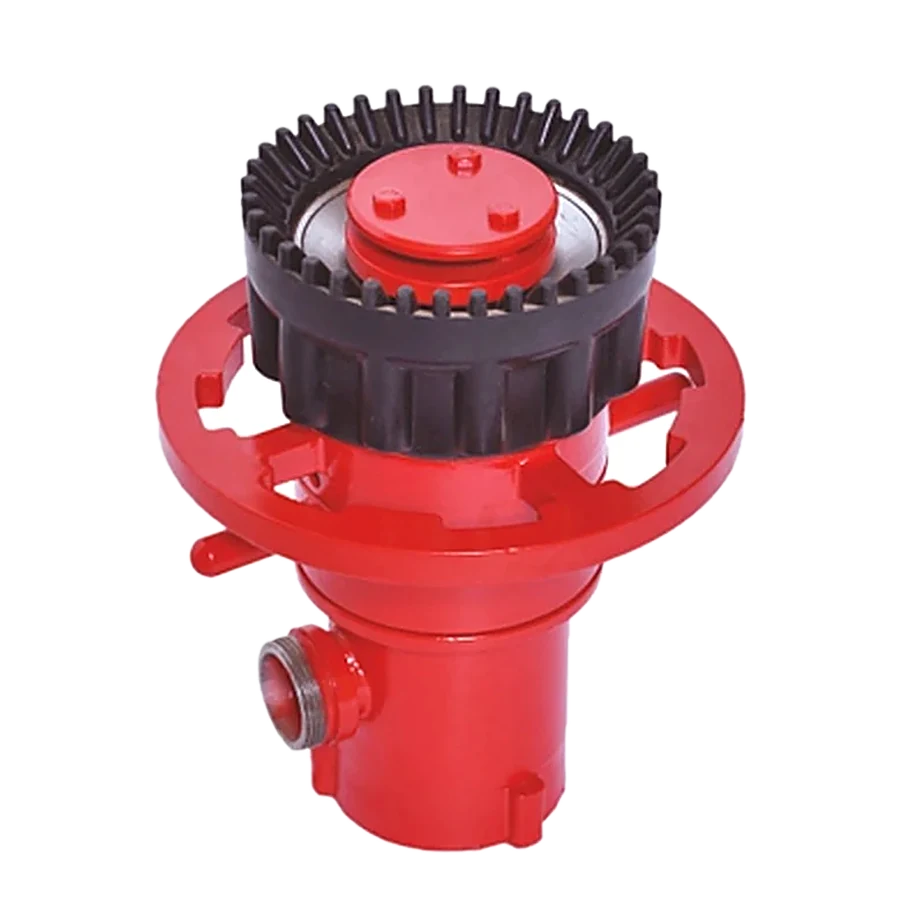
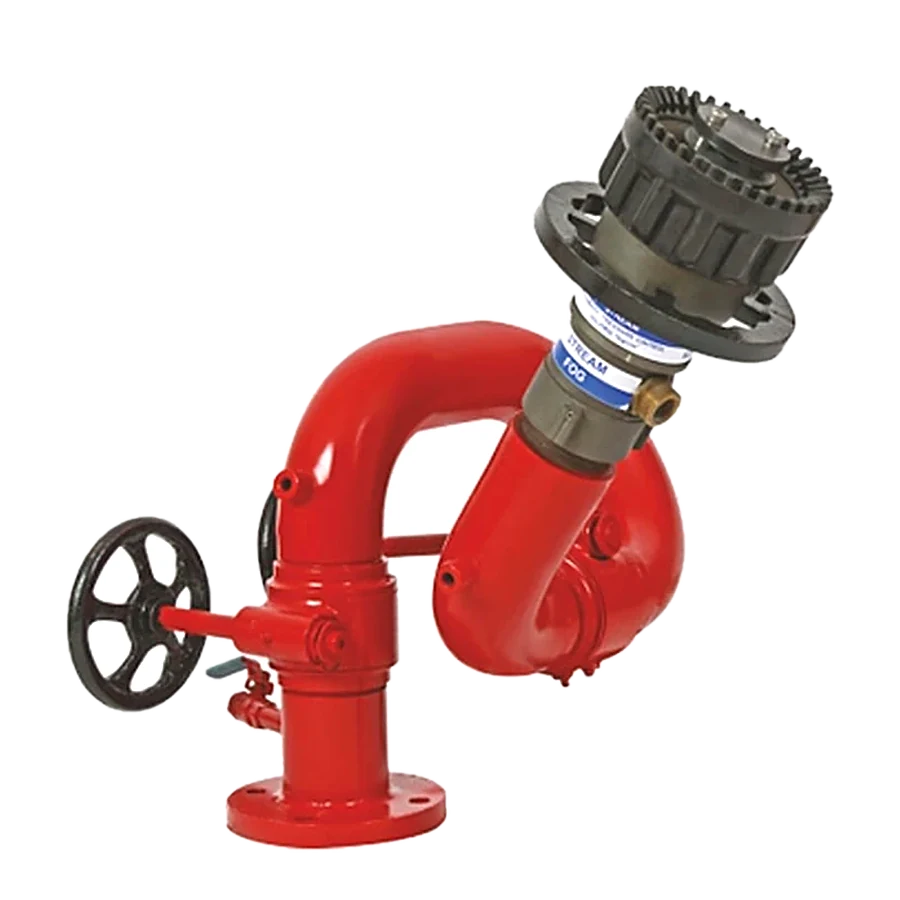
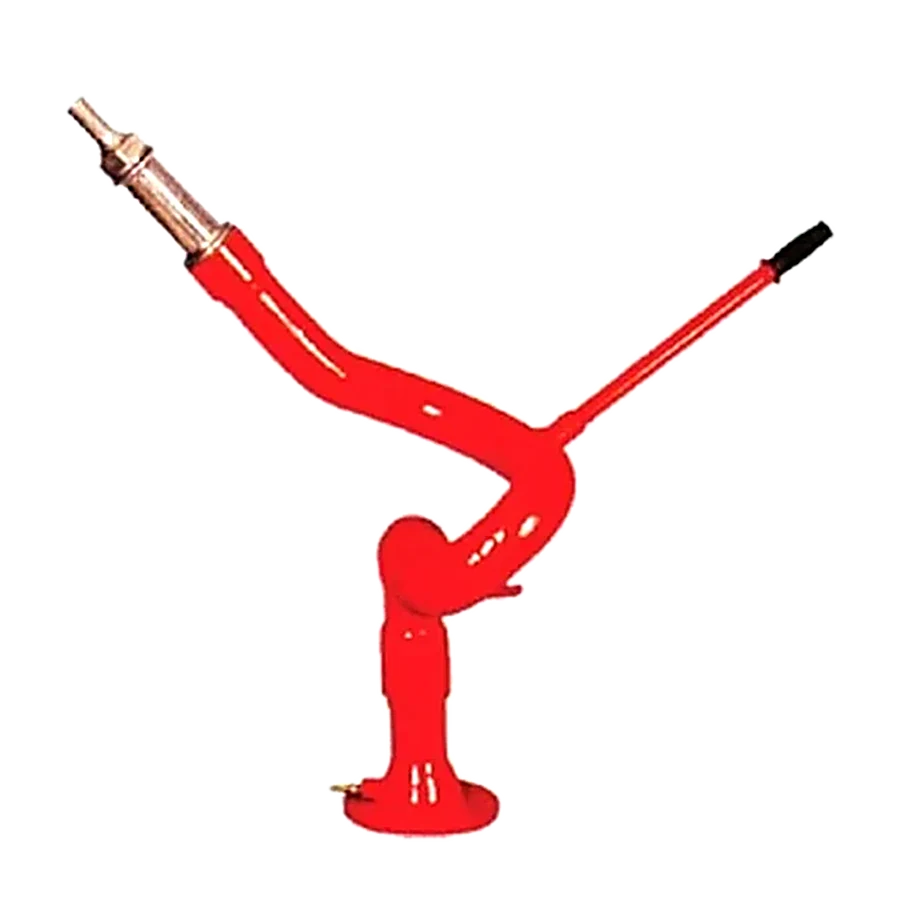
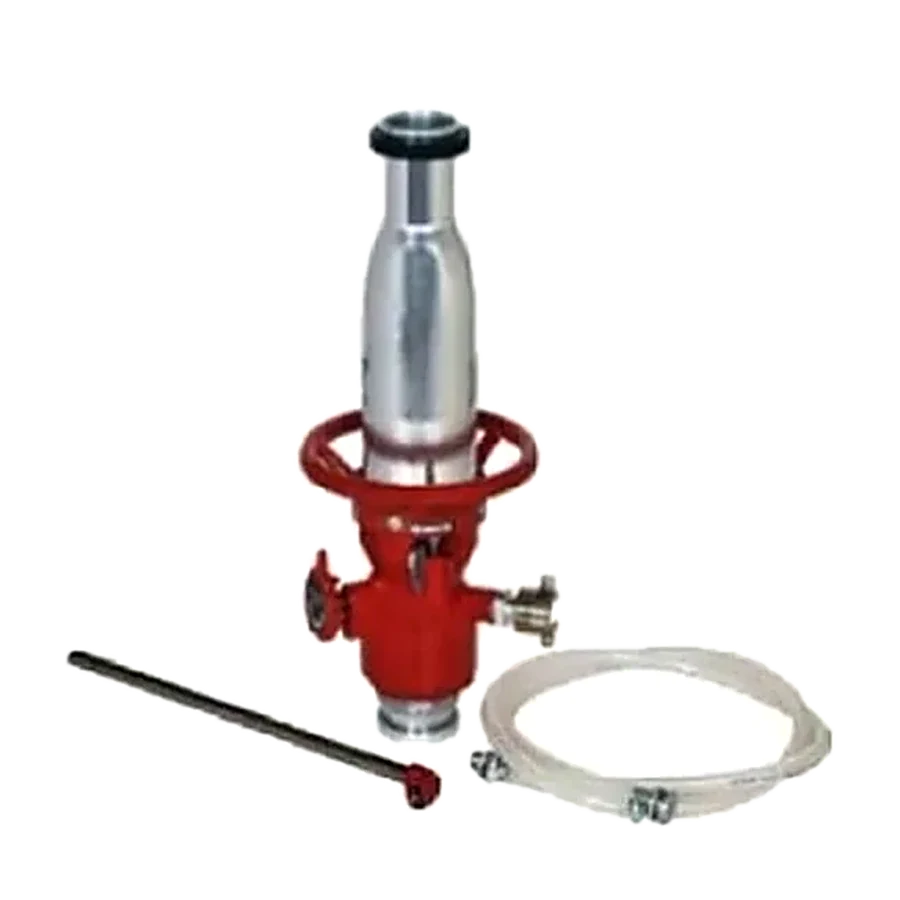
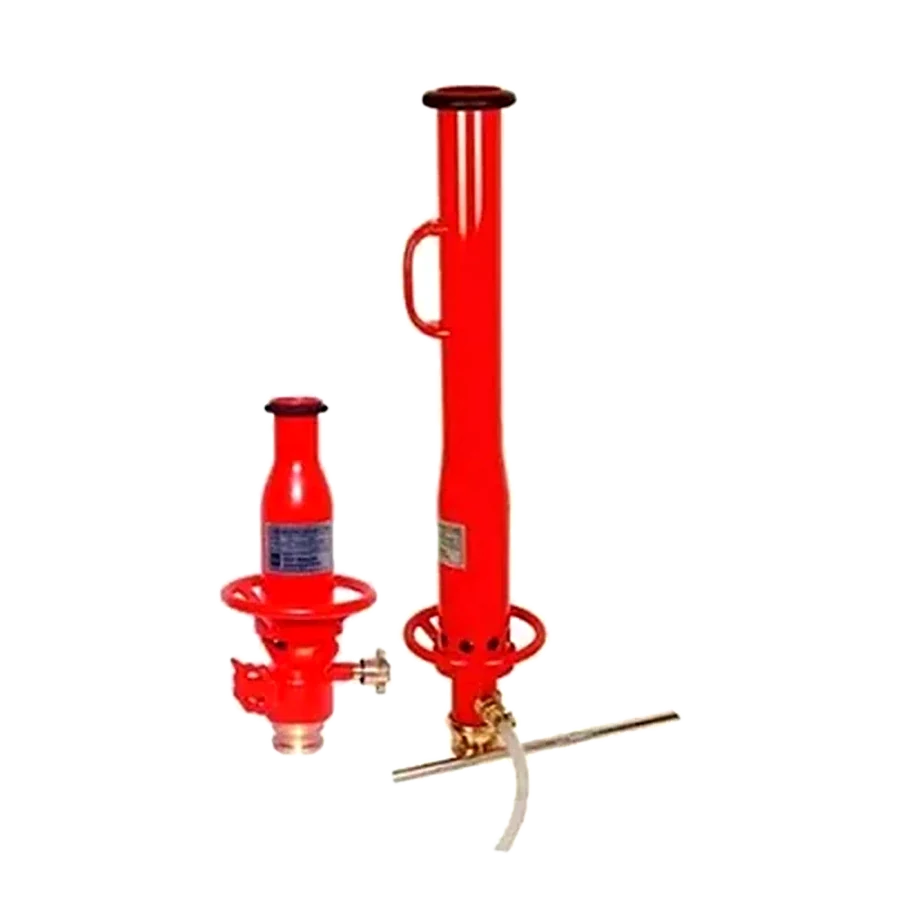
Water and Foam Monitors
Water monitors and foam monitors direct firefighting streams over a designated area. Their selection depends on the fire risk, required flow, operating pressure and system design.
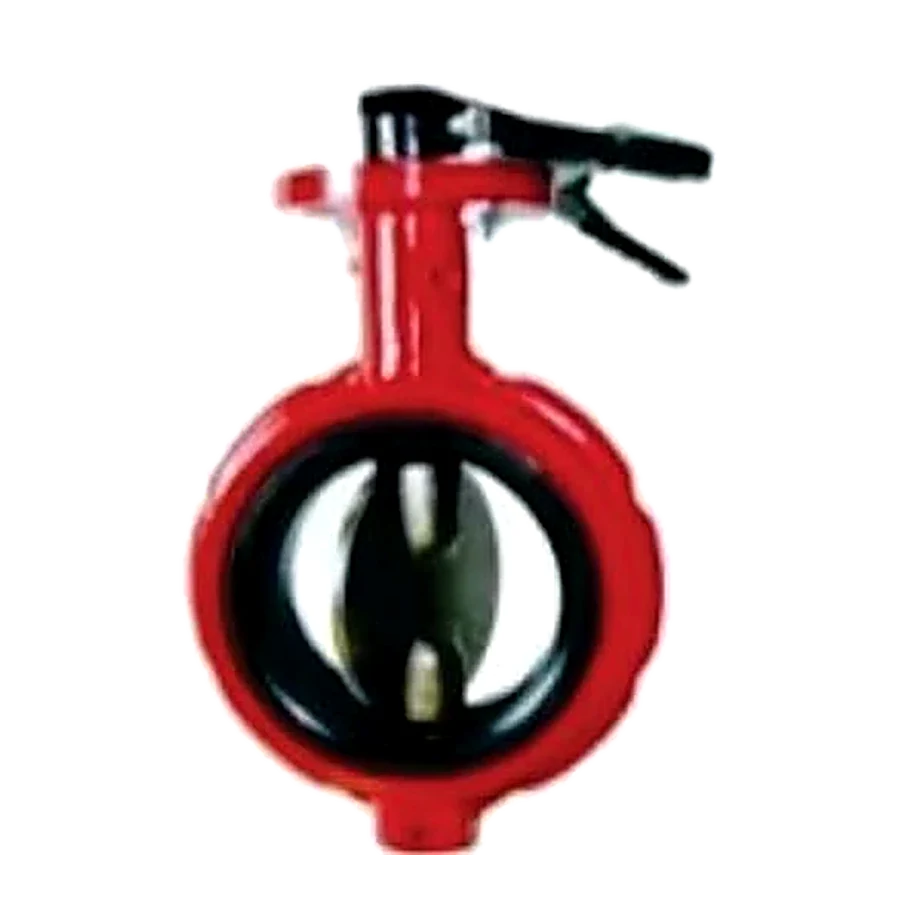
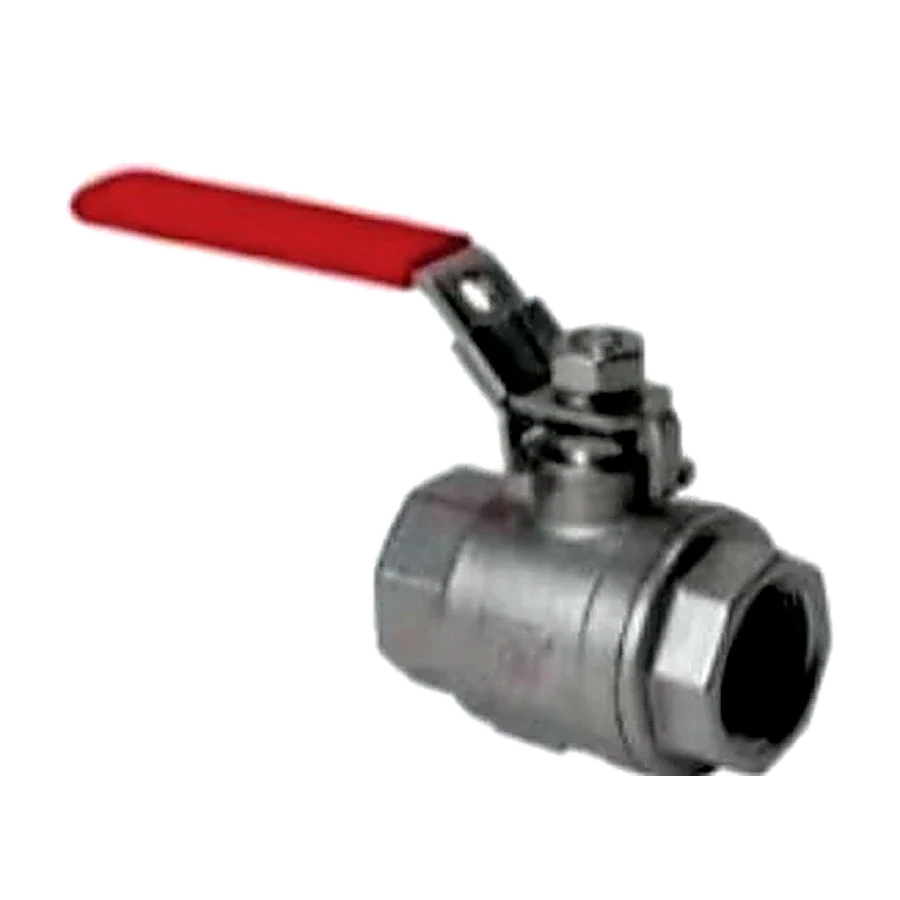
Other hydrant-related products may include delivery couplings, hydrant adaptors, butterfly valves, ball valves and compatible fittings.
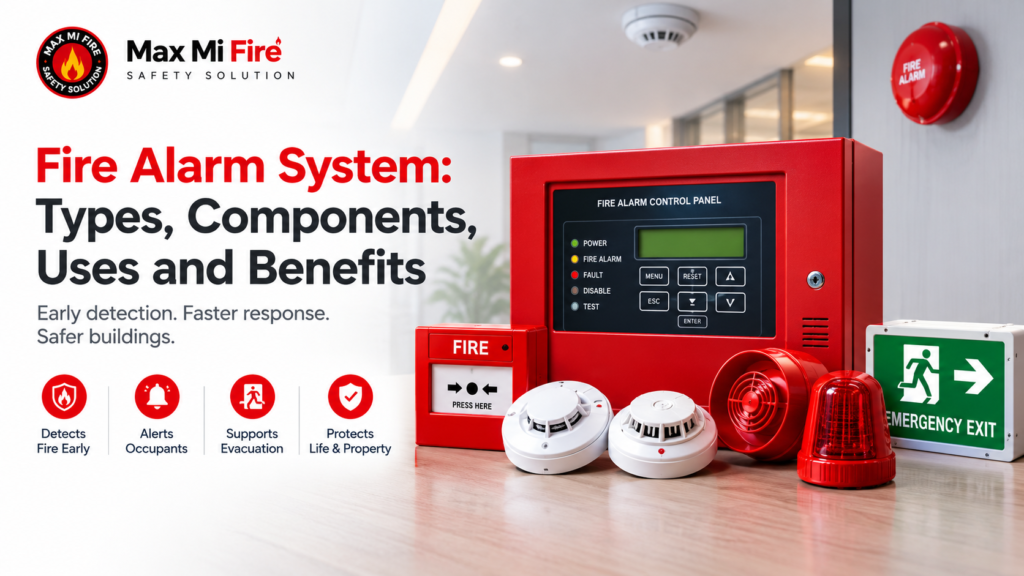
3. Fire Alarm System and Fire Detection Equipment
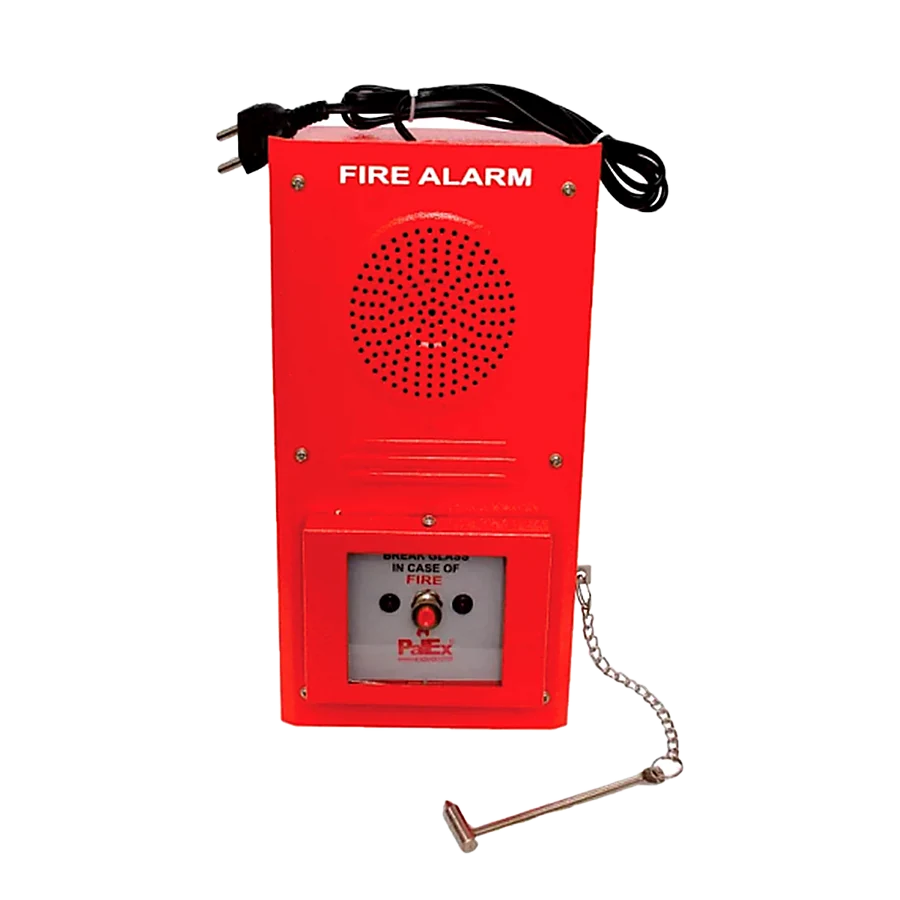
A fire alarm system detects specified signs of fire and alerts occupants through audible or visual notifications. As a result, people can follow the building’s emergency plan and evacuate when necessary.
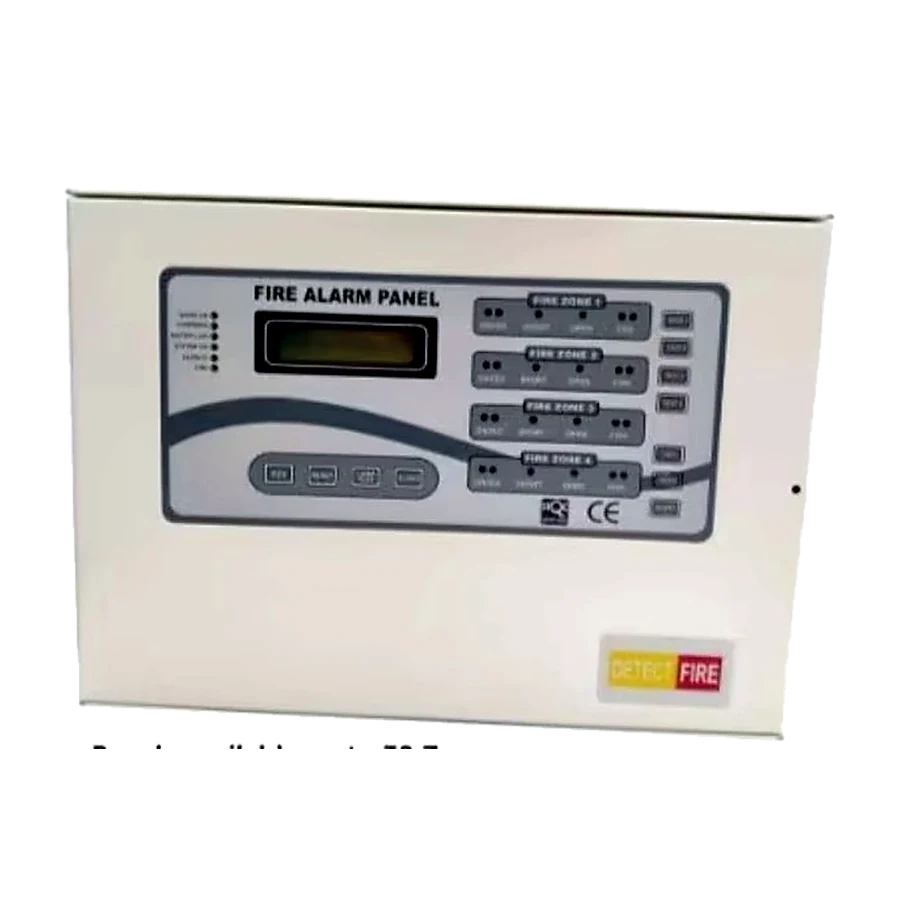
Fire Alarm Control Panel
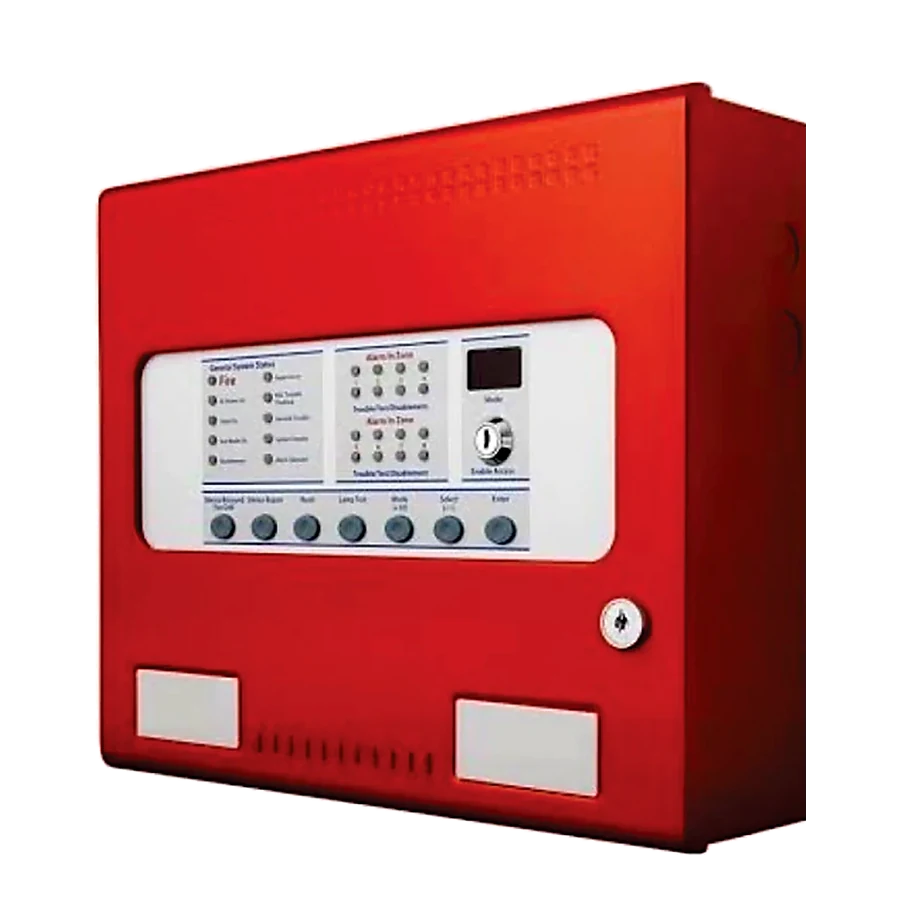
The fire alarm control panel receives signals from compatible detectors and devices. It processes those signals and activates the configured alarm outputs.
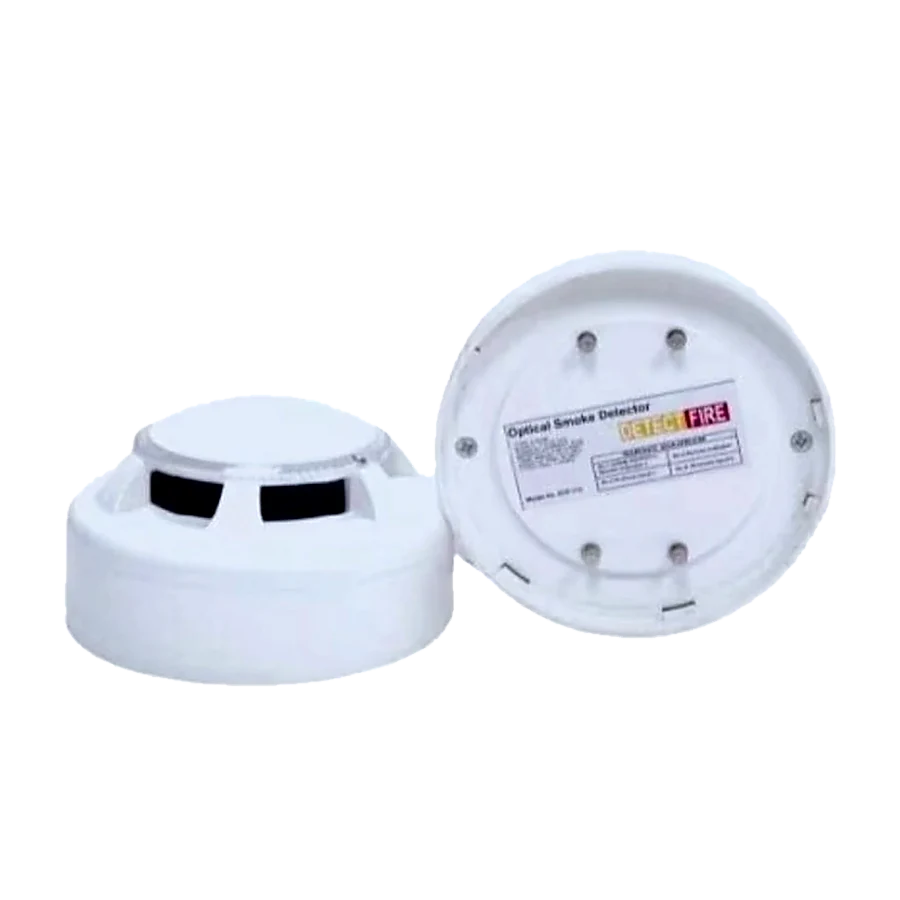
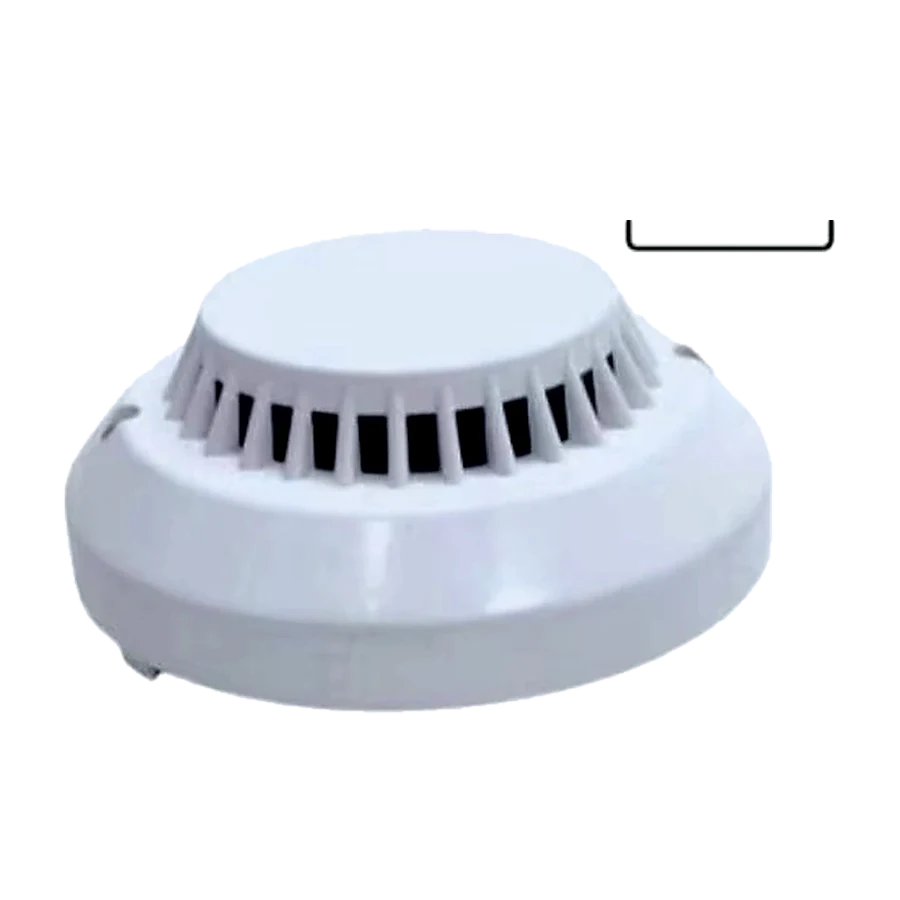
Smoke Detector
A smoke detector senses smoke and signals the fire alarm system when its detection criteria are met. Installers must select suitable detectors for the environment and intended application.
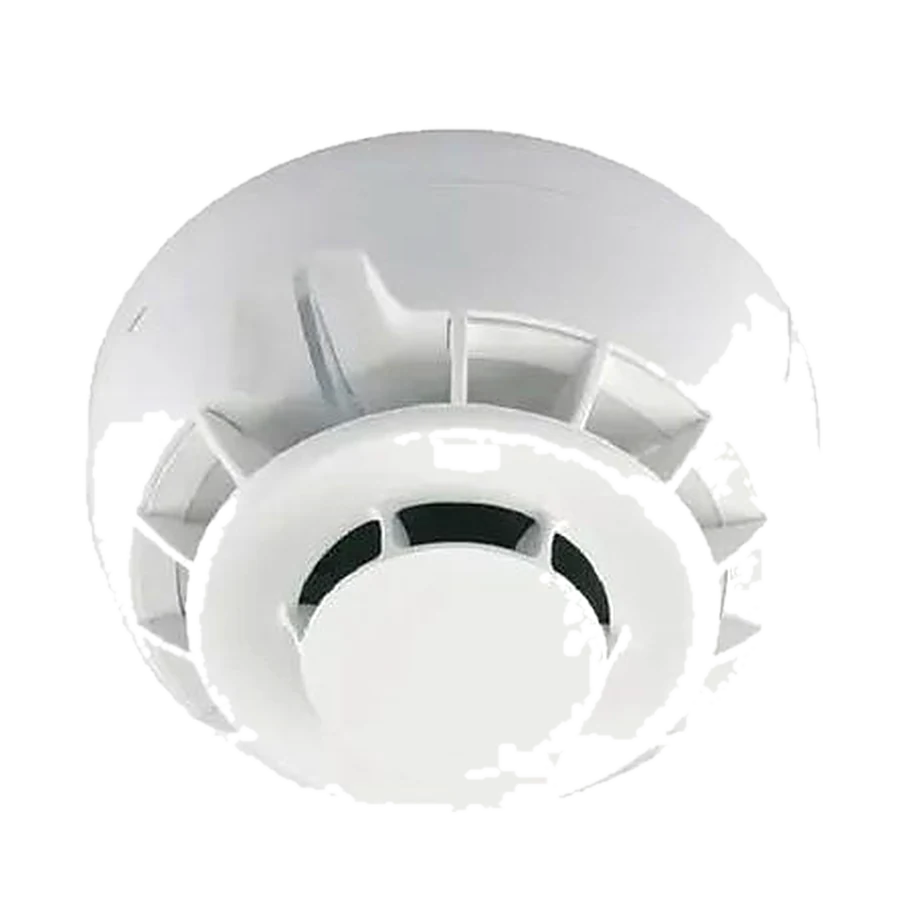
Heat Detector
A heat detector responds to specified temperature conditions or a rate of temperature rise, depending on its design. It may suit environments where a smoke detector would be inappropriate.
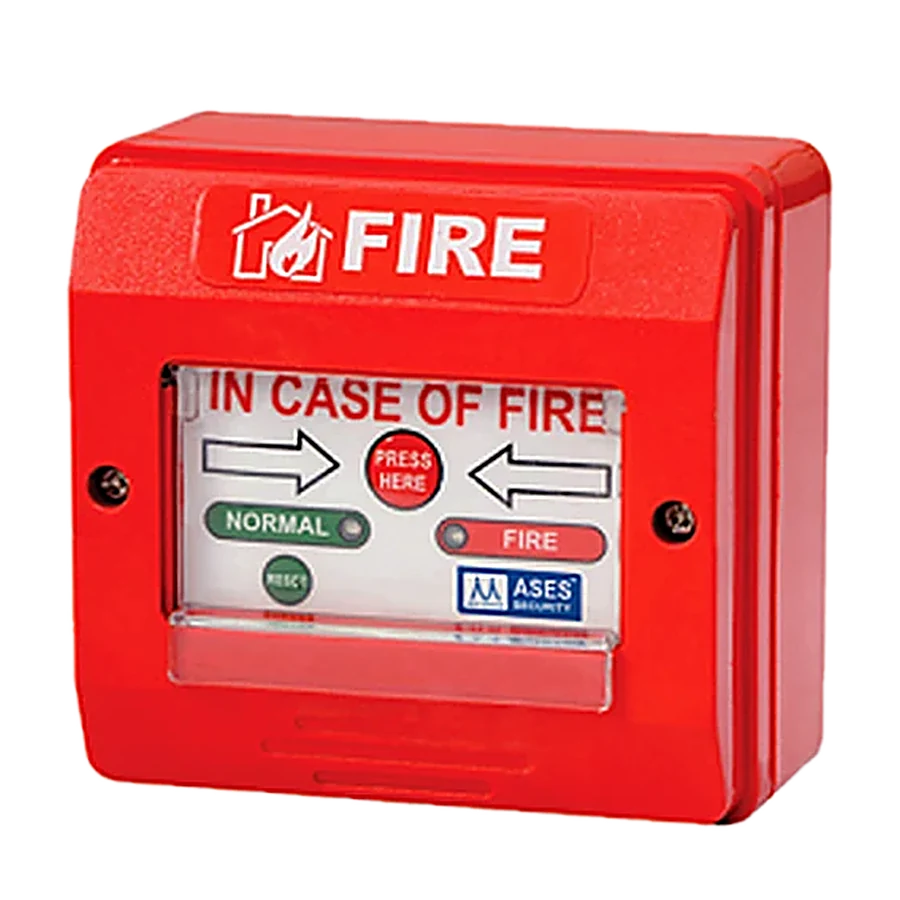
Manual Call Point
A manual call point allows a person to activate the fire alarm after discovering a fire.
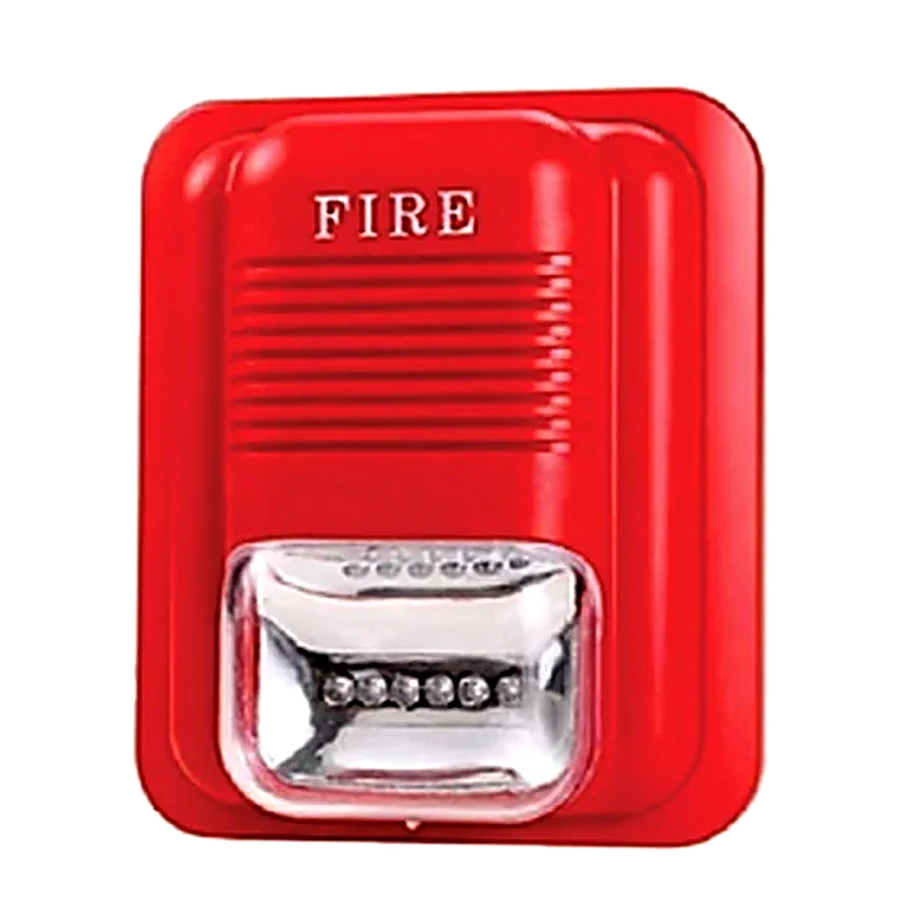
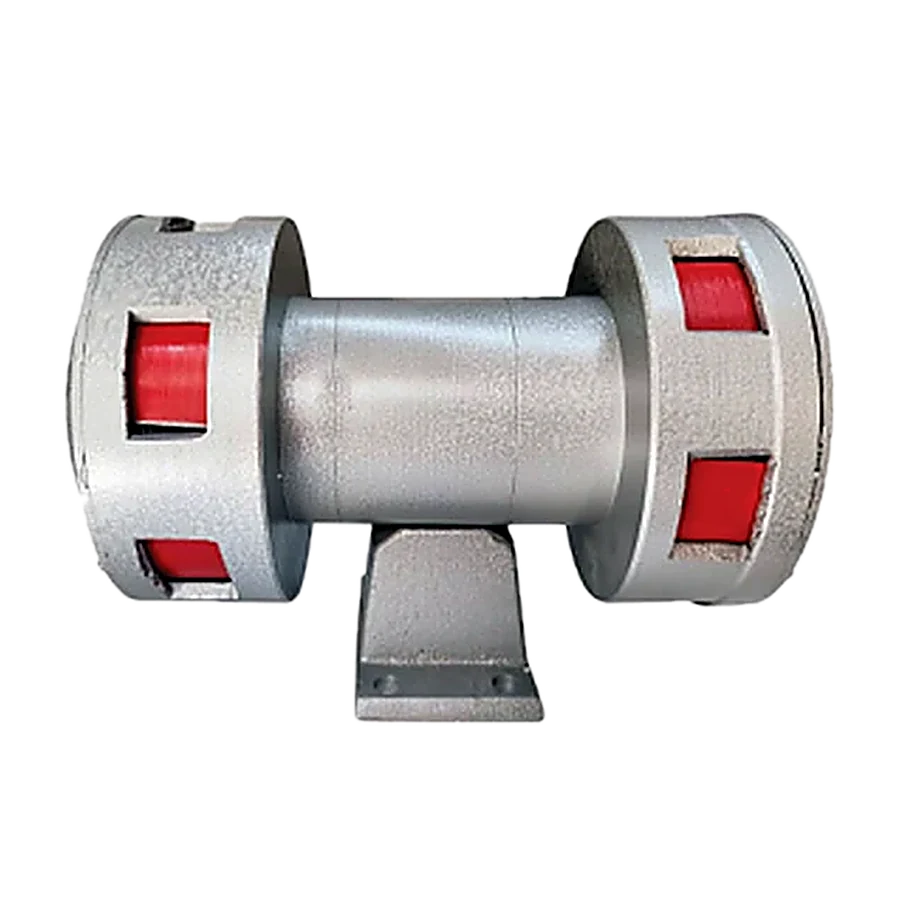
Fire Alarm Hooter, Sounder and Siren
These devices provide audible warnings when the alarm system activates. Some installations also use visual notification devices.
Additional Fire Detection and Alarm Products
A fire detection product range may include:
- Conventional fire alarm systems
- Addressable fire alarm systems
- Battery-operated smoke detectors
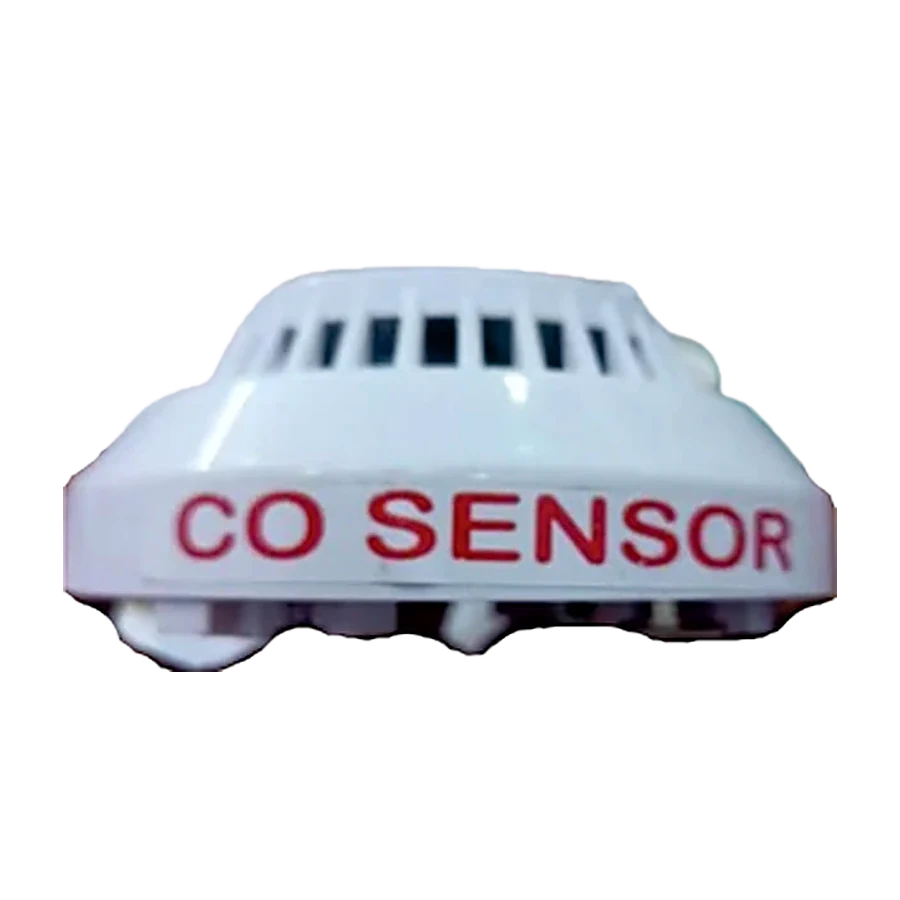
- Carbon monoxide detectors
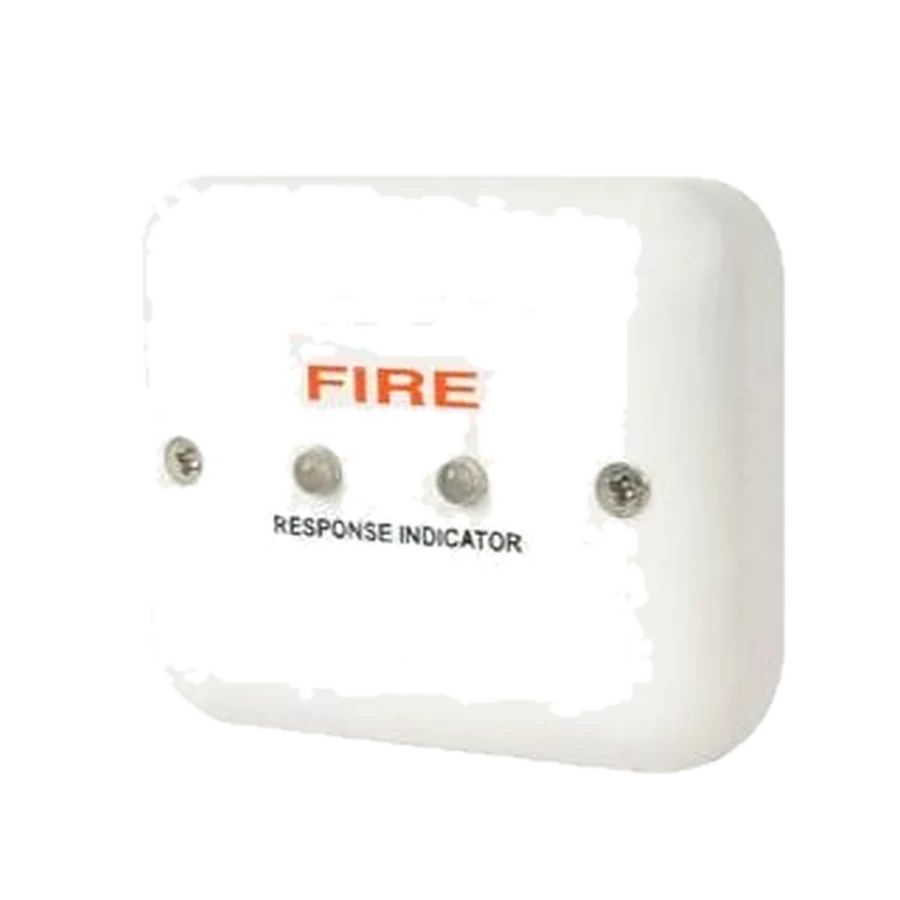
- Response indicators
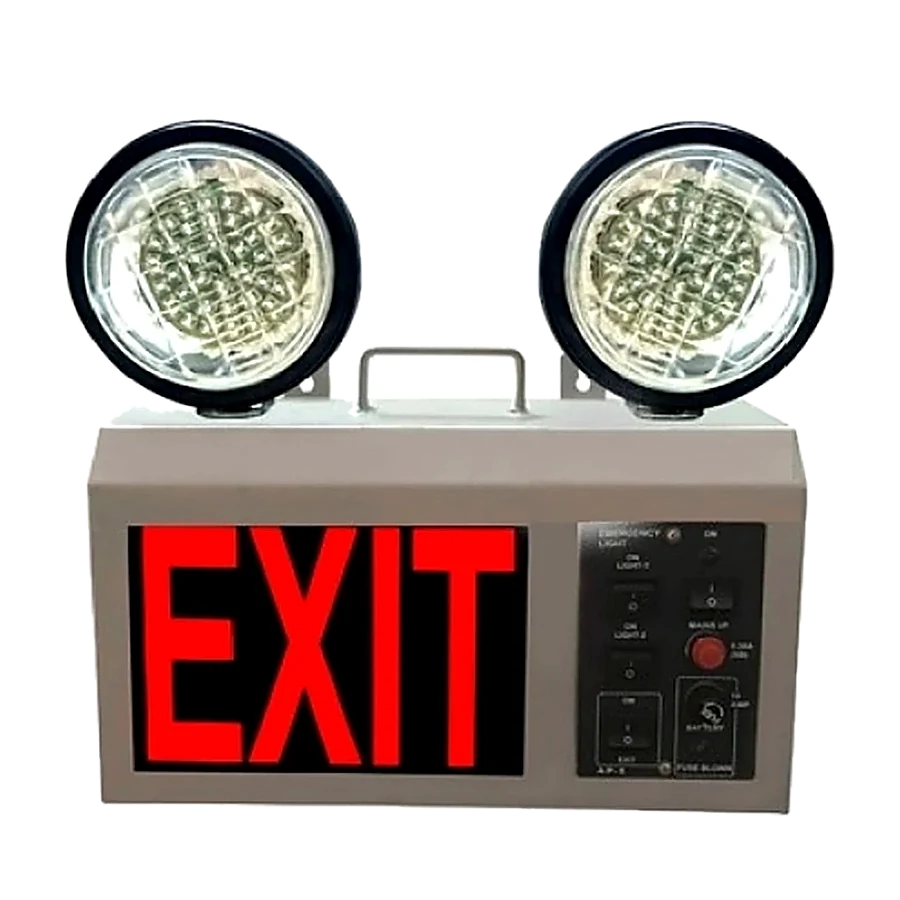
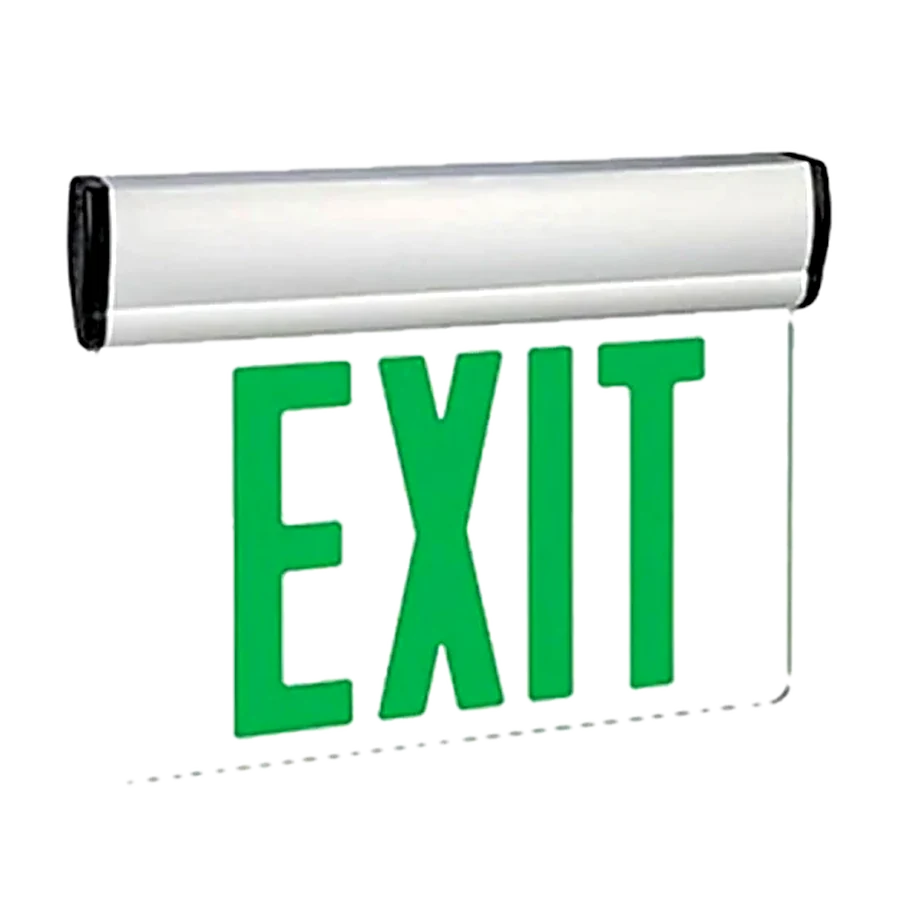
- Emergency exit lights
- LED exit signs
- Fire alarm system accessories
Choose compatible components and follow applicable fire alarm design, installation, testing and maintenance requirements.
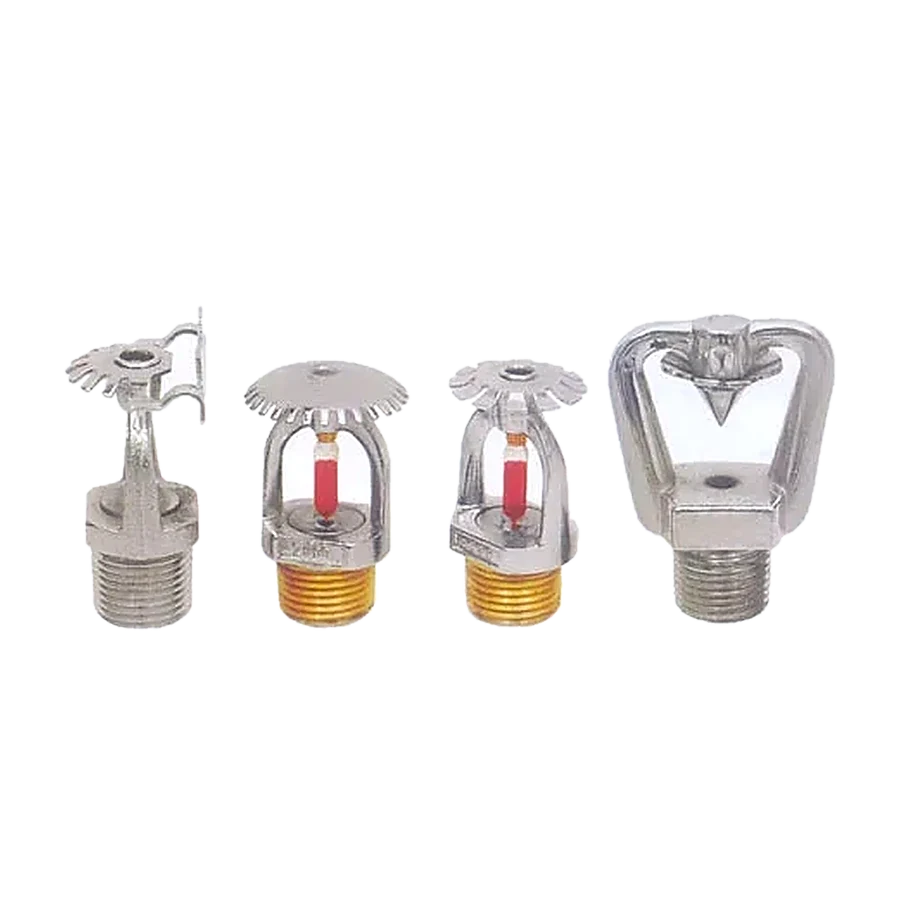
4. Automatic Fire Sprinkler System
An automatic fire sprinkler system uses sprinkler heads connected to a suitable water supply. When the specified activation conditions occur, the relevant sprinkler head operates according to its design.
Types of Fire Sprinklers
Common sprinkler products include:
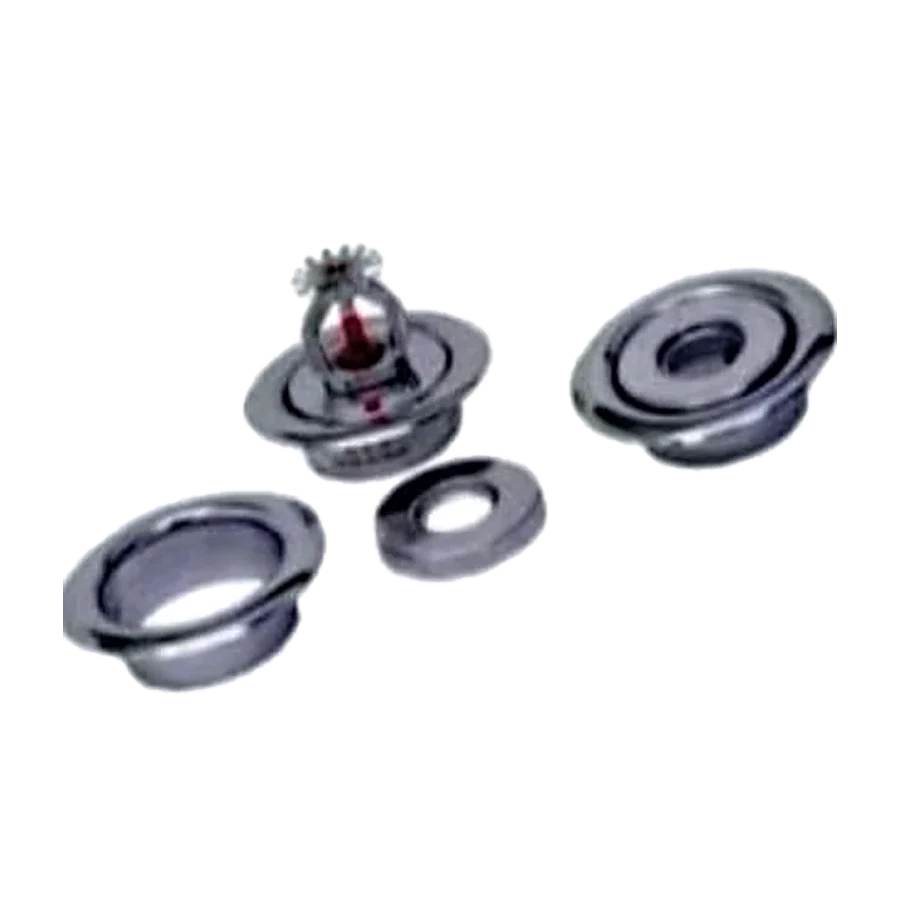
- Pendent fire sprinklers
- Upright fire sprinklers
- Sidewall fire sprinklers
- Glass-bulb sprinkler heads
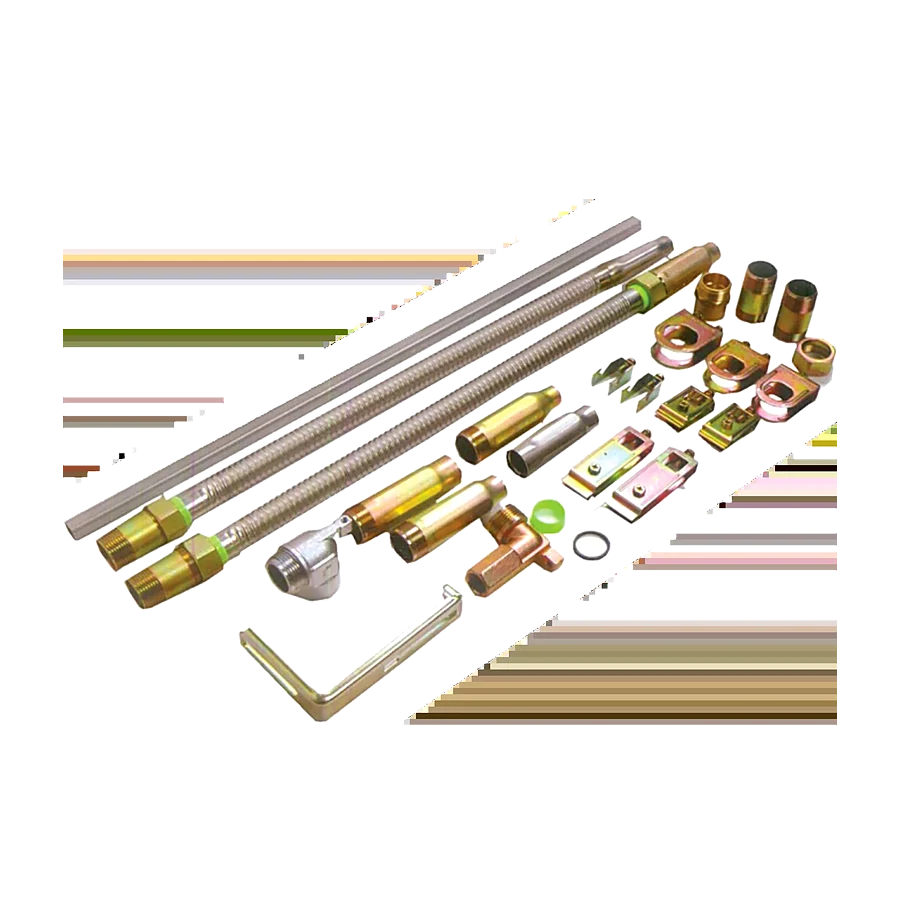
- Flexible sprinkler hose and fittings
- Compatible sprinkler system accessories
Each type serves a particular installation arrangement. Therefore, select sprinkler heads according to the approved design, hazard classification, temperature rating and applicable requirements.
Sprinkler systems can support fire control and limit fire growth when properly designed, installed and maintained. They do not replace every other fire protection measure.
5. Fire Suppression Systems
Fire suppression systems use a suitable extinguishing agent to control or suppress fire in a designated space or application.
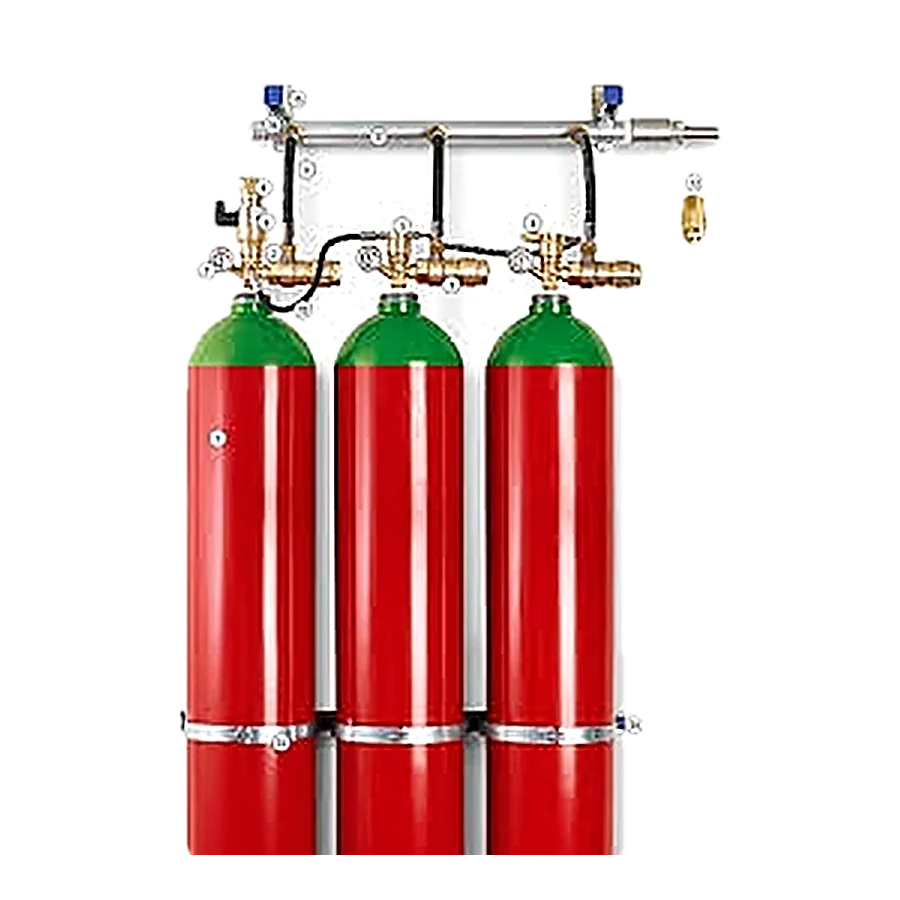
Gas-Based Fire Suppression System
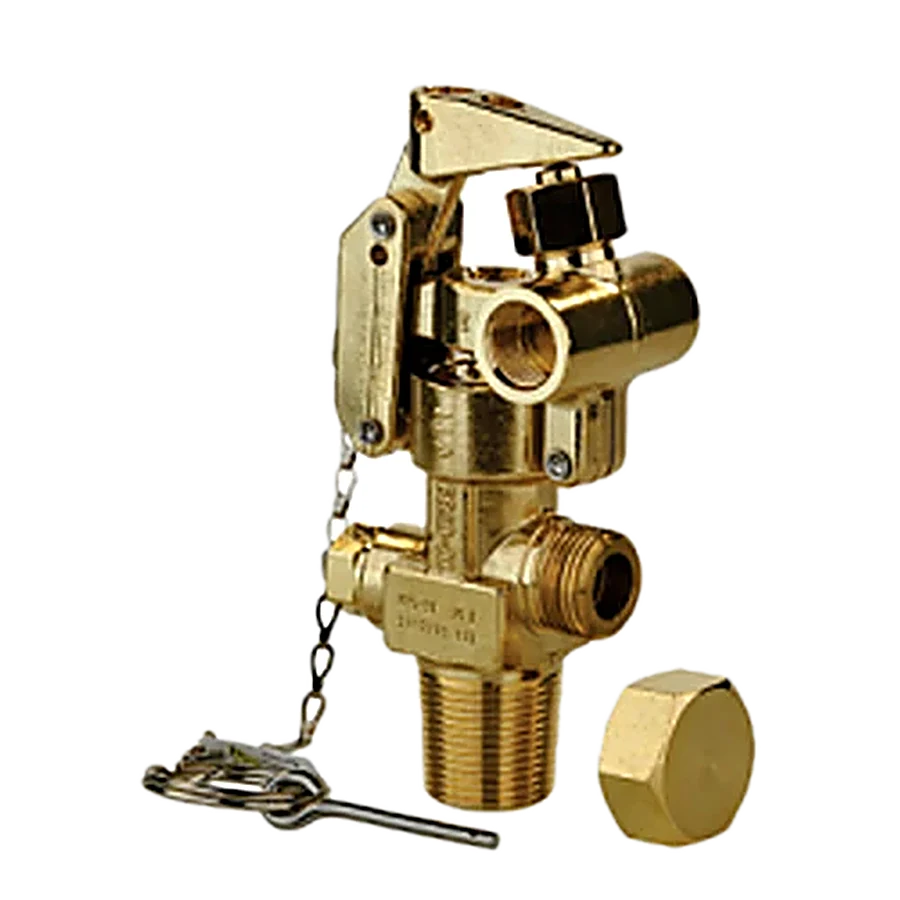
Gas-based systems use an approved gaseous extinguishing agent designed for the protected hazard. System selection depends on the room, fire risk, agent requirements and applicable safety standards.
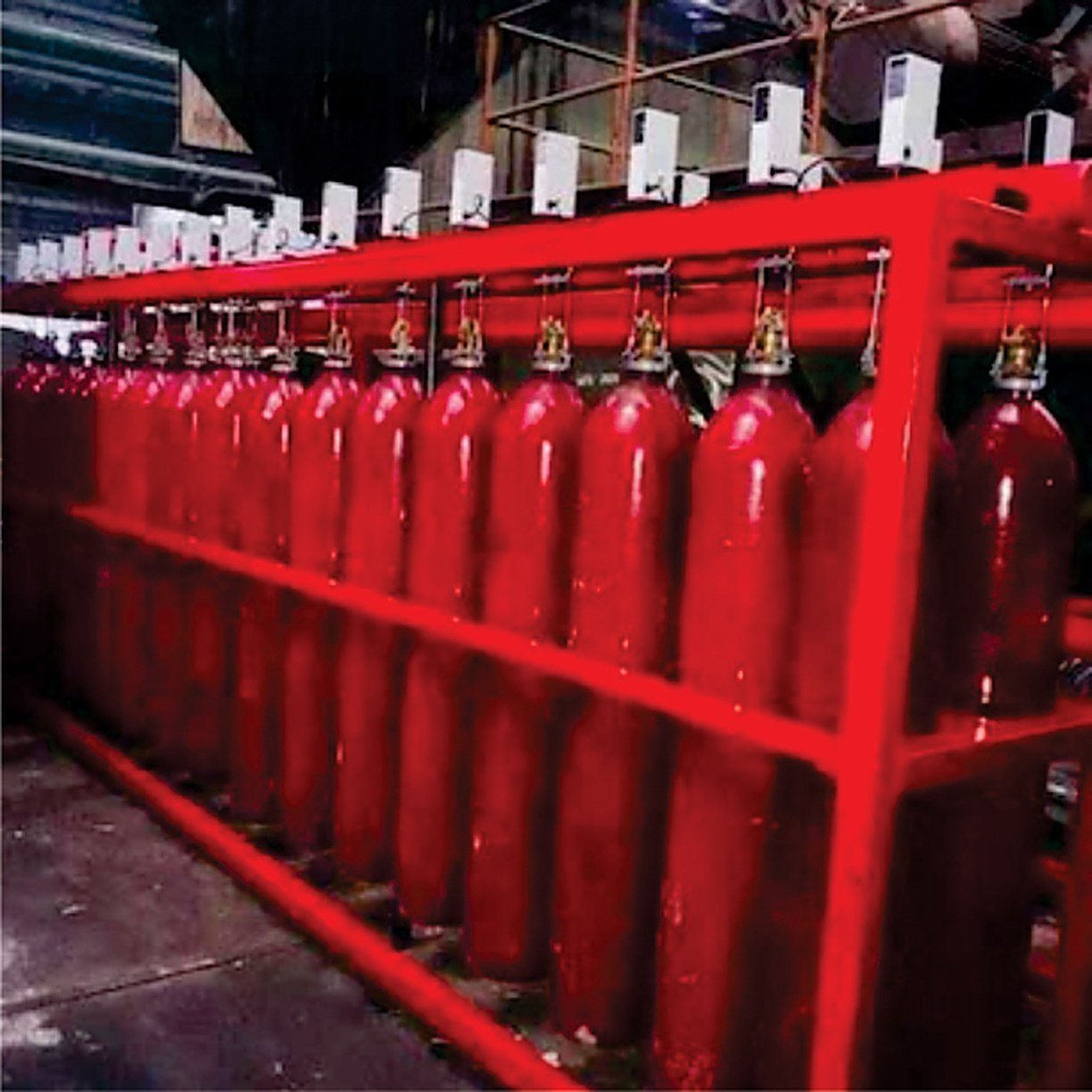
CO₂ Fire Suppression System
A CO₂ flooding system may serve certain specialised industrial or equipment protection applications. However, carbon dioxide creates a serious asphyxiation hazard, so system design, alarms, evacuation provisions and safety controls require particular attention.
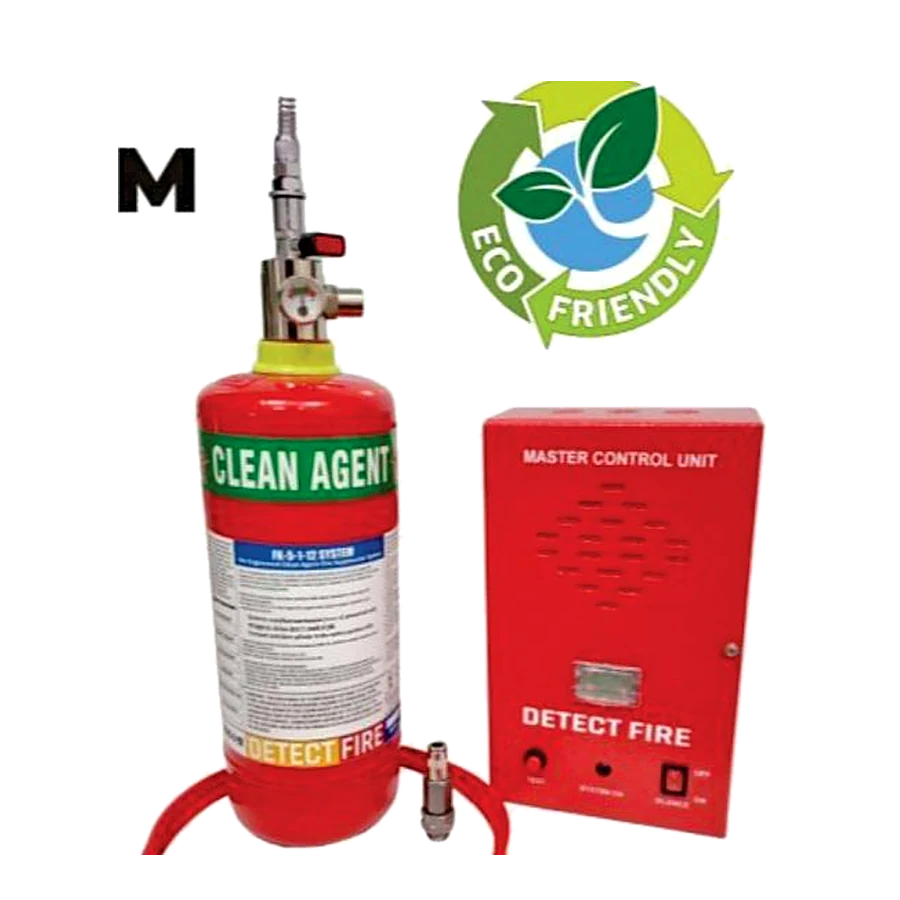
Clean-Agent Fire Suppression
Clean-agent systems may suit selected applications where residue from conventional extinguishing agents presents a concern. The appropriate agent and system must match the hazard and comply with relevant requirements.
Automatic Fire Suppression Products
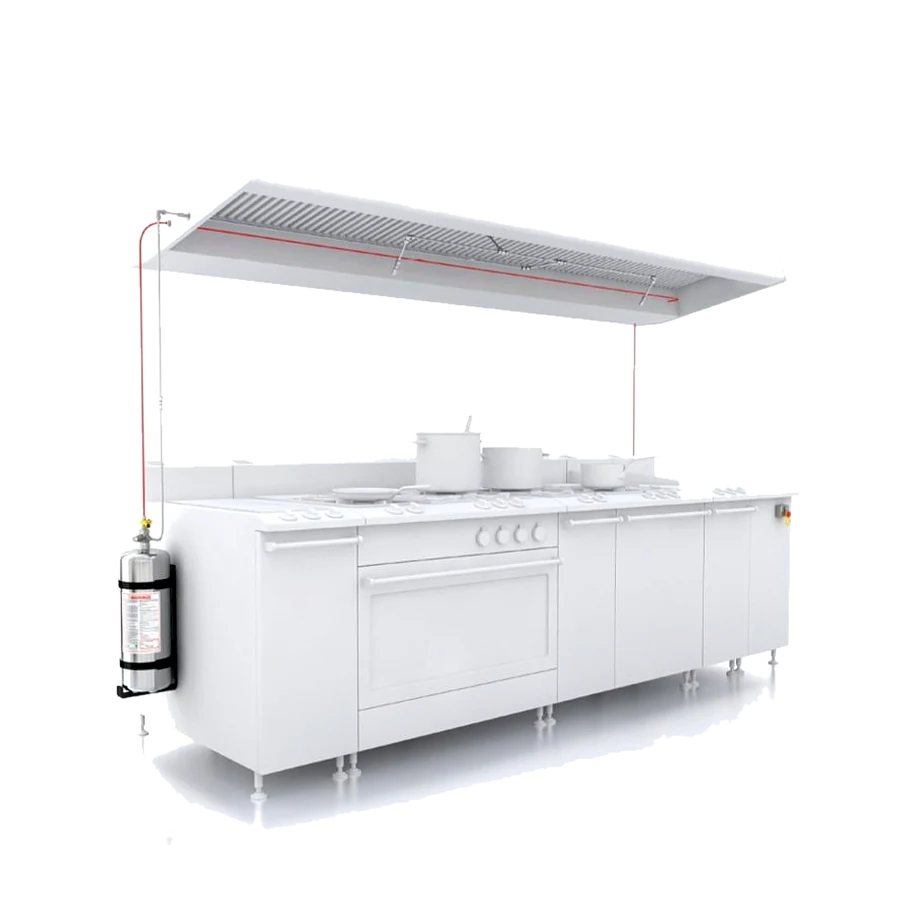
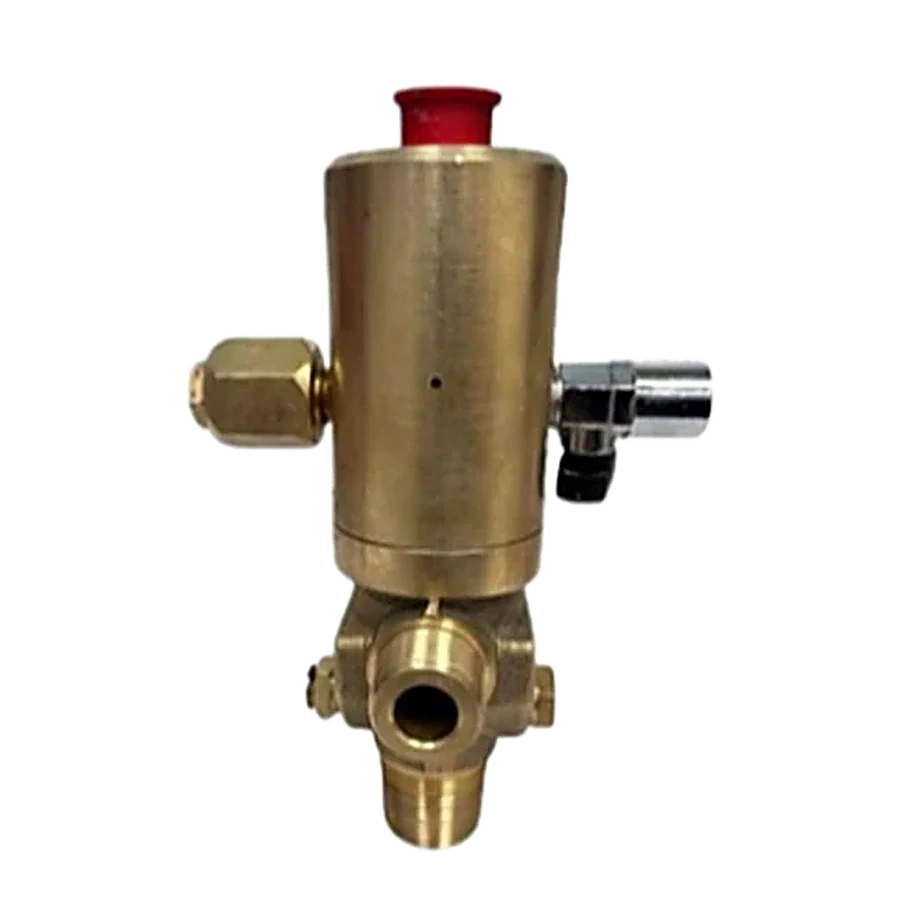
Depending on the actual product range, automatic suppression solutions may include suppression panels, detection tubing, release panels and specialised kitchen fire suppression systems.
These products can support protection for selected equipment rooms, electrical installations, server rooms and commercial kitchens. Always confirm that the particular system is suitable for the protected application.
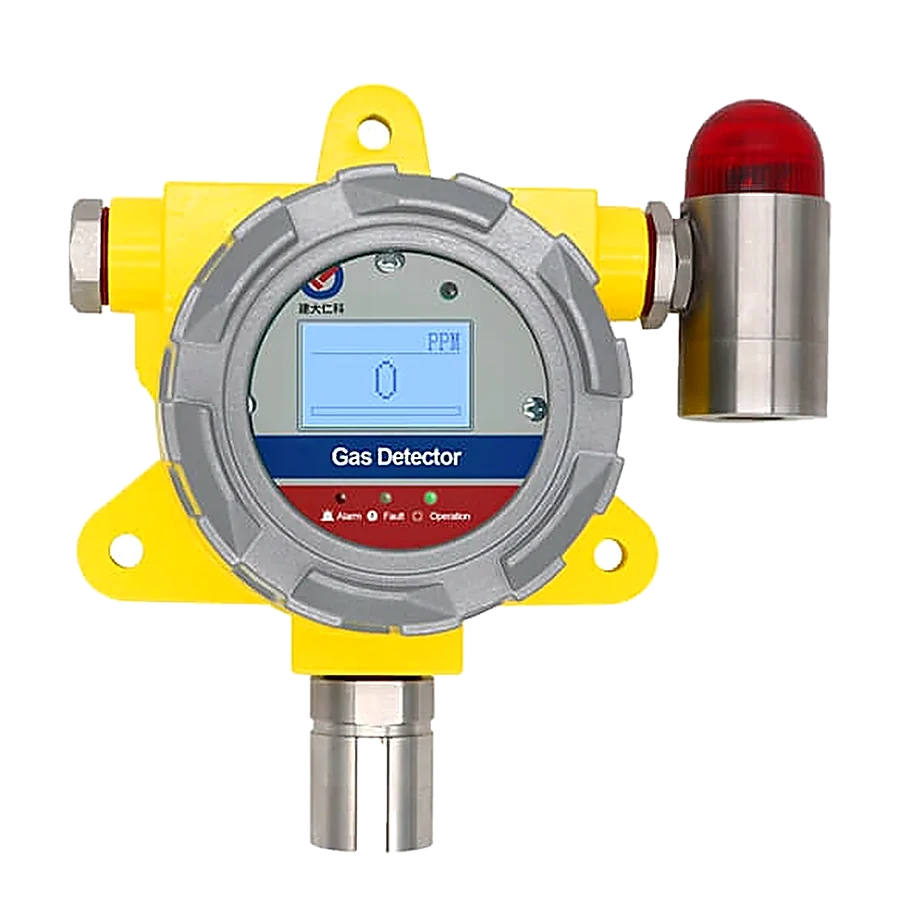
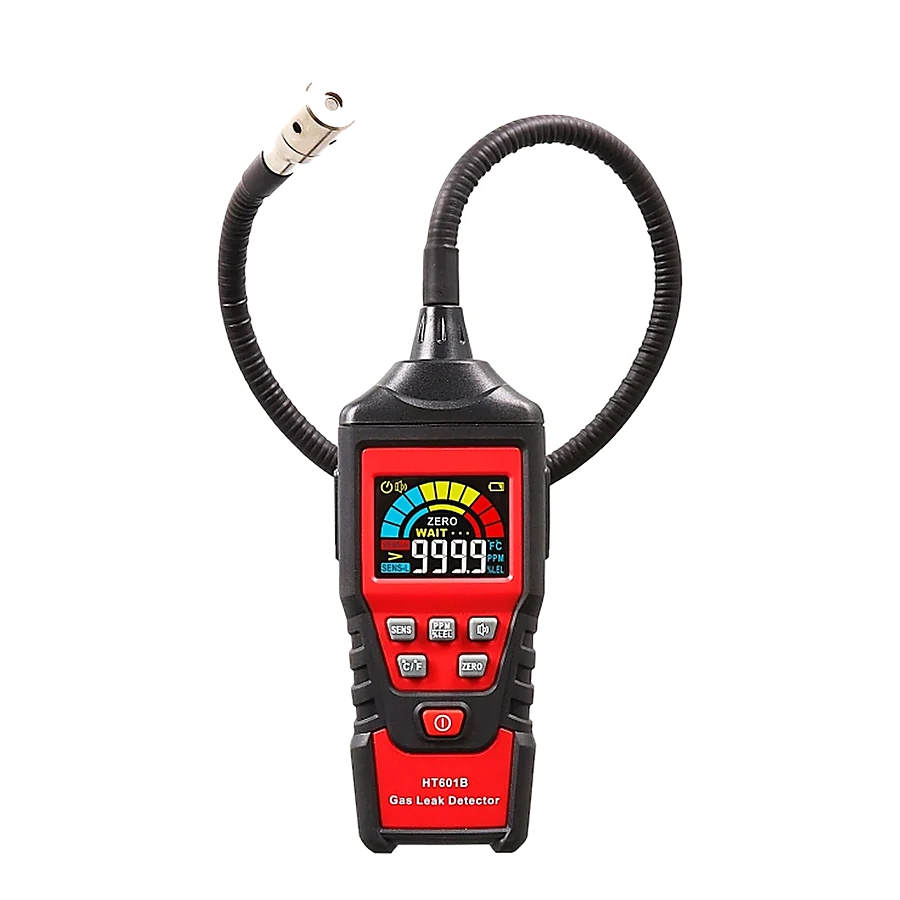
6. Gas Detection Systems and Safety Instruments
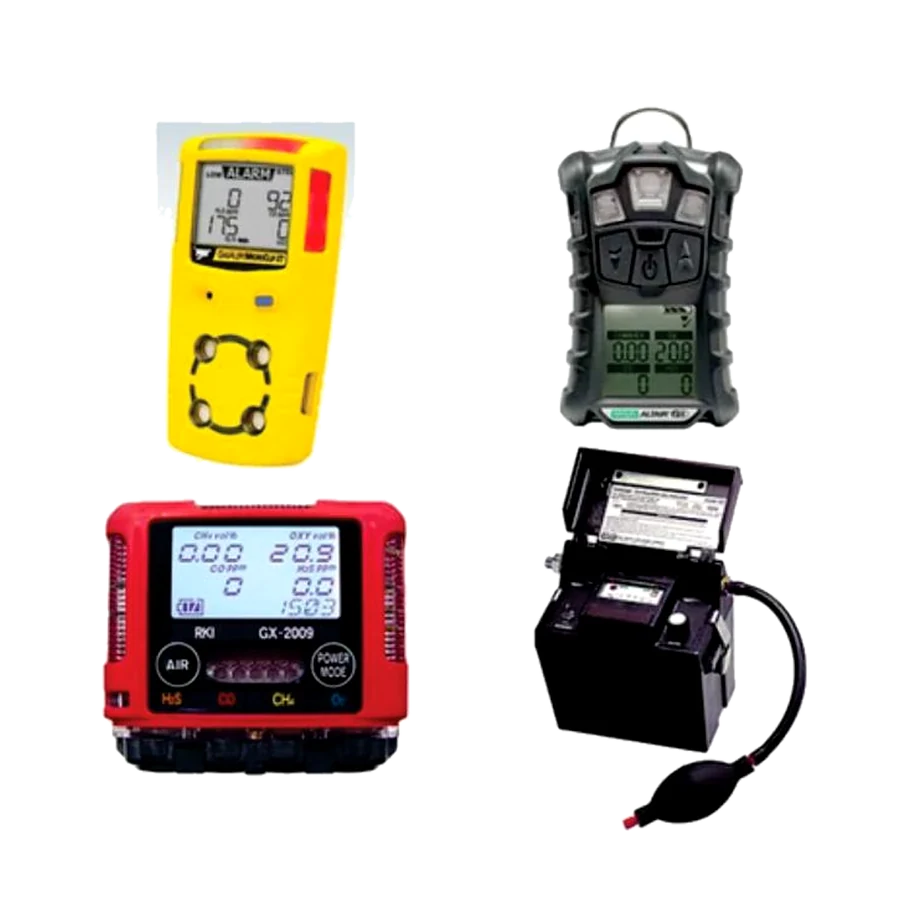
Gas detection equipment helps identify specified gases or hazardous atmospheric conditions. Facilities use these instruments to support monitoring and emergency response.
Common gas detection products include:
- Fixed gas leak detectors
- Portable gas detectors
- Combustible gas detectors
- Multi-gas detectors
- Carbon monoxide detectors
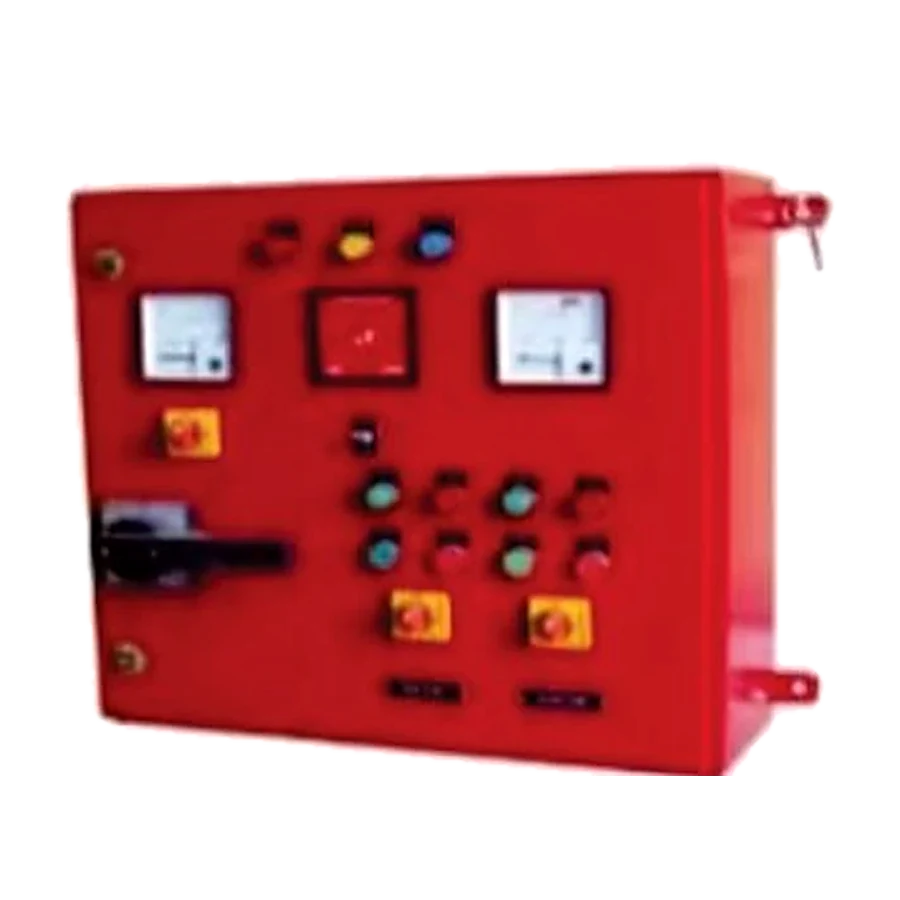
- Gas detection control panels
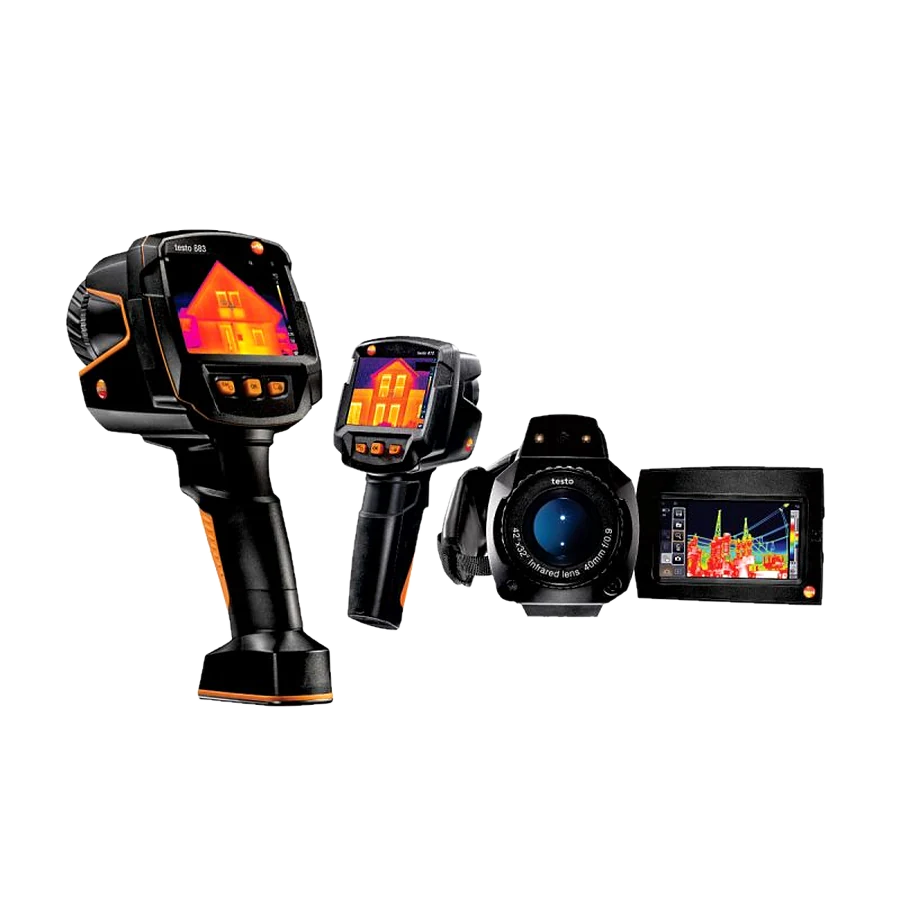
- Thermal imaging cameras
- Related detection accessories
Each instrument has specific detection capabilities. Before purchasing, check the target gas, detection range, operating environment, alarm outputs, calibration needs and maintenance requirements.
For facilities handling hazardous gases, use a qualified professional to determine the appropriate detection and alarm arrangement.
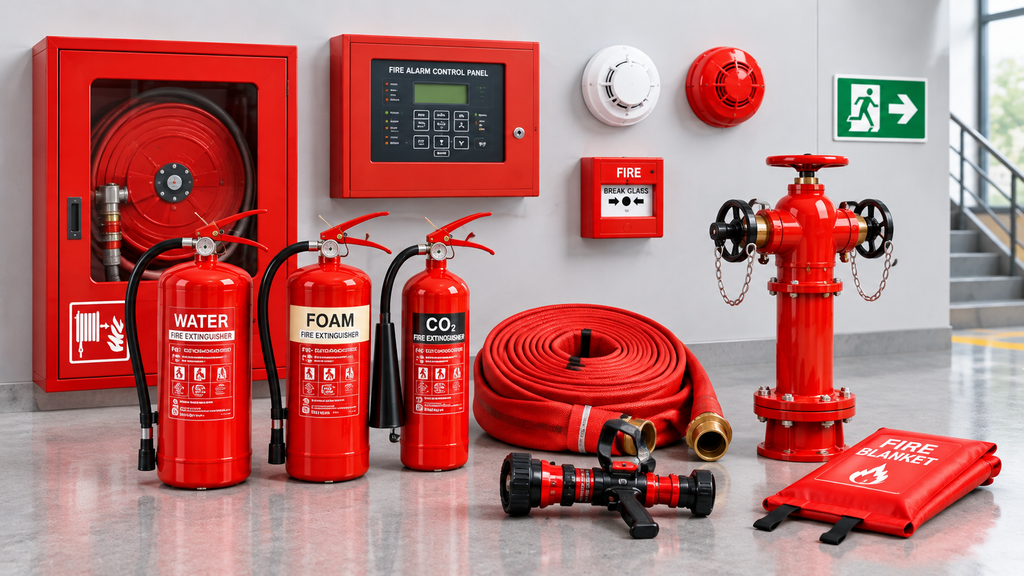
7. Fire Safety Accessories and Emergency Equipment
Fire protection installations also require compatible accessories and supporting safety products. These components help organize equipment, support inspection and maintain the overall system.
Depending on your needs and available product range, accessories may include:
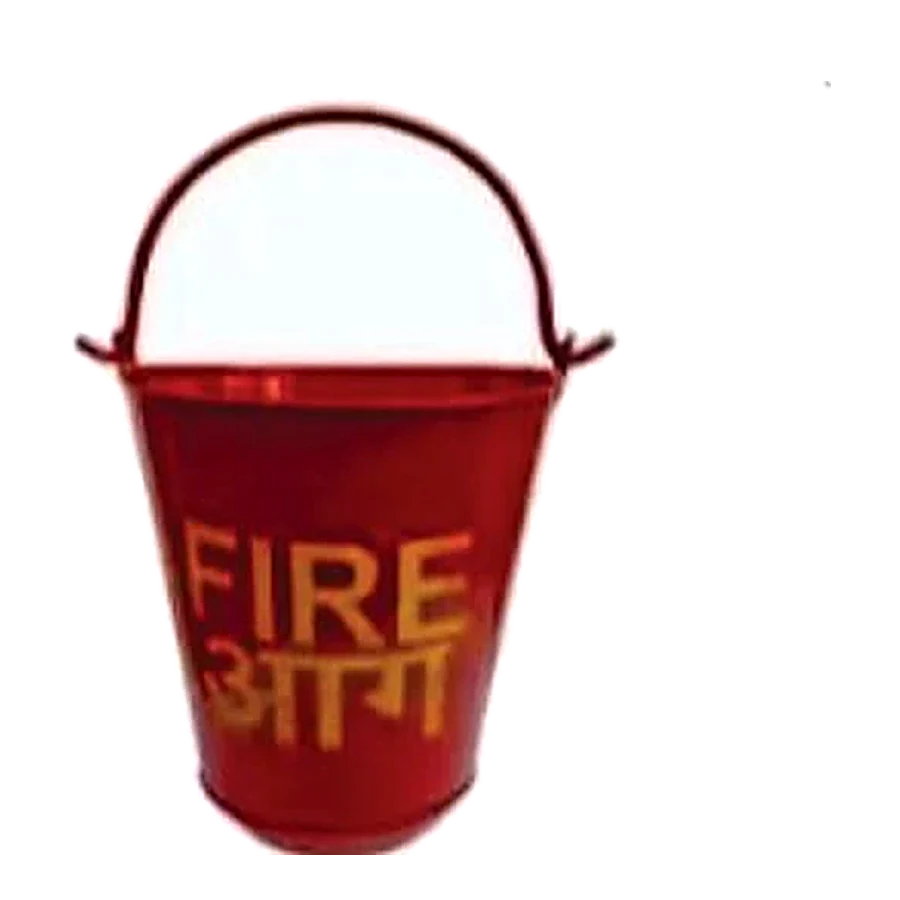
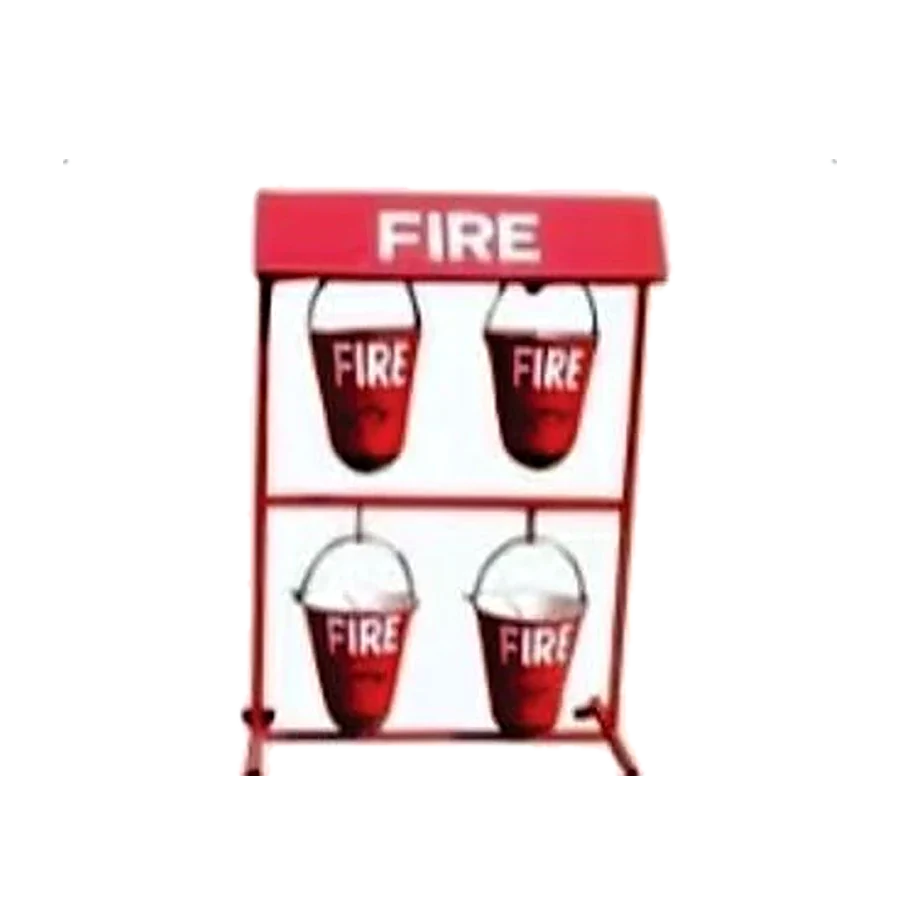
- Fire buckets and fire bucket stands
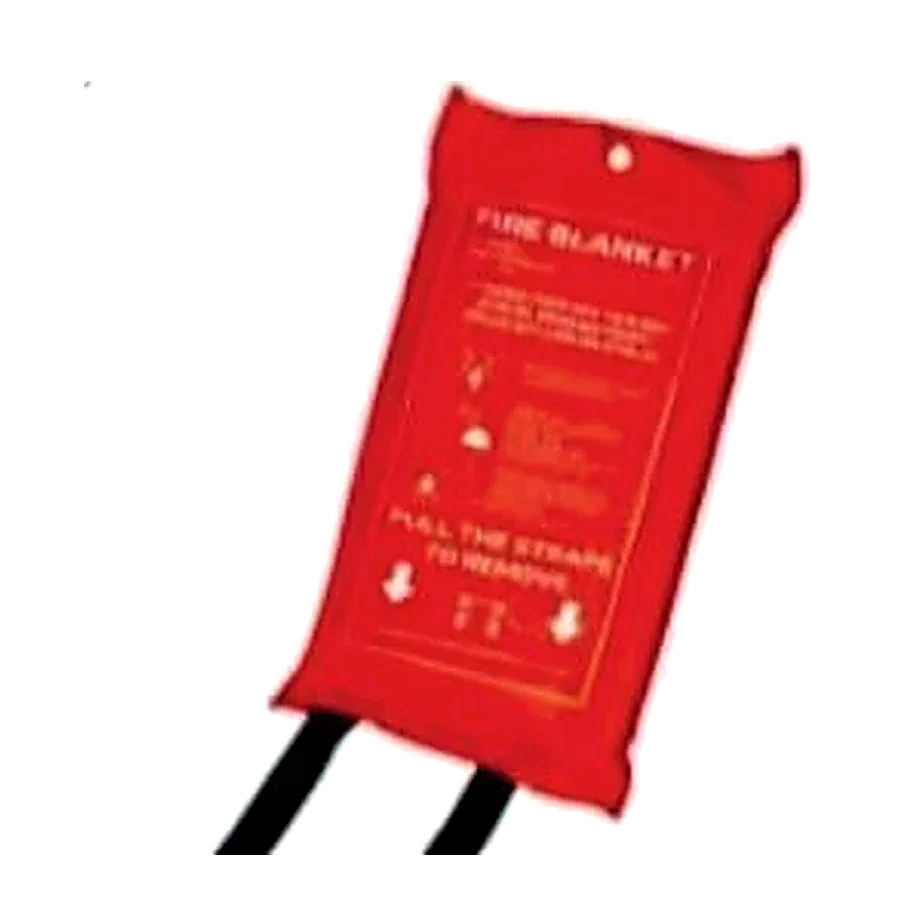
- Fire blankets
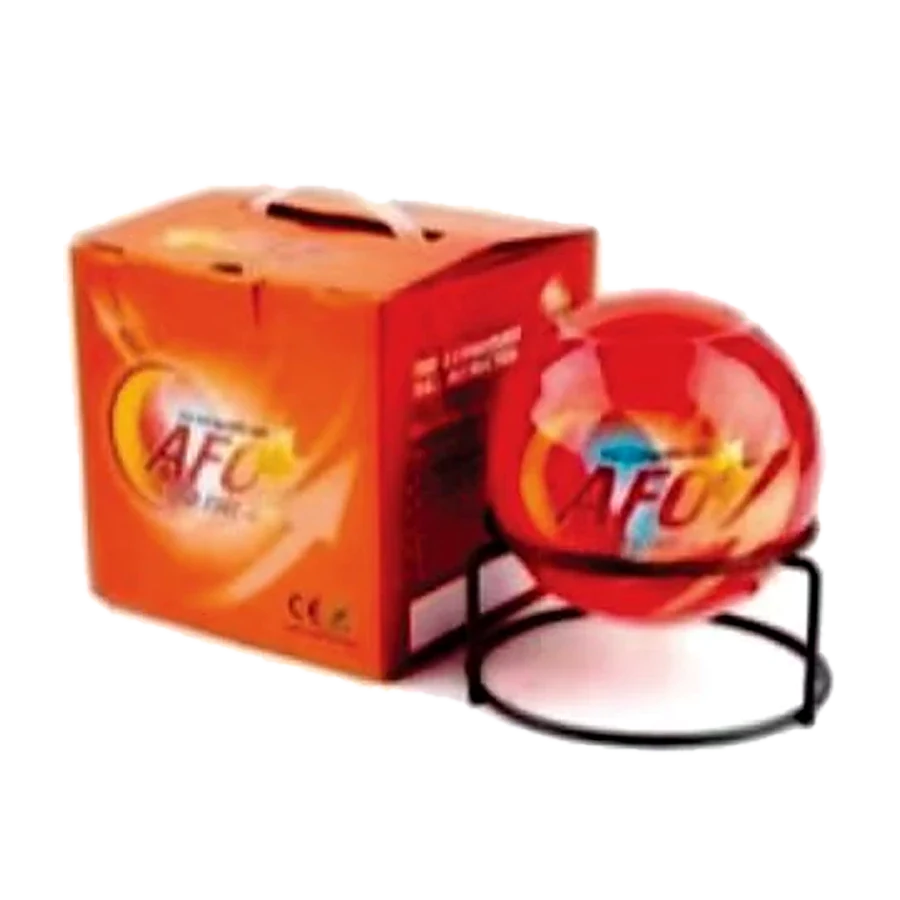
- Fire extinguishing balls
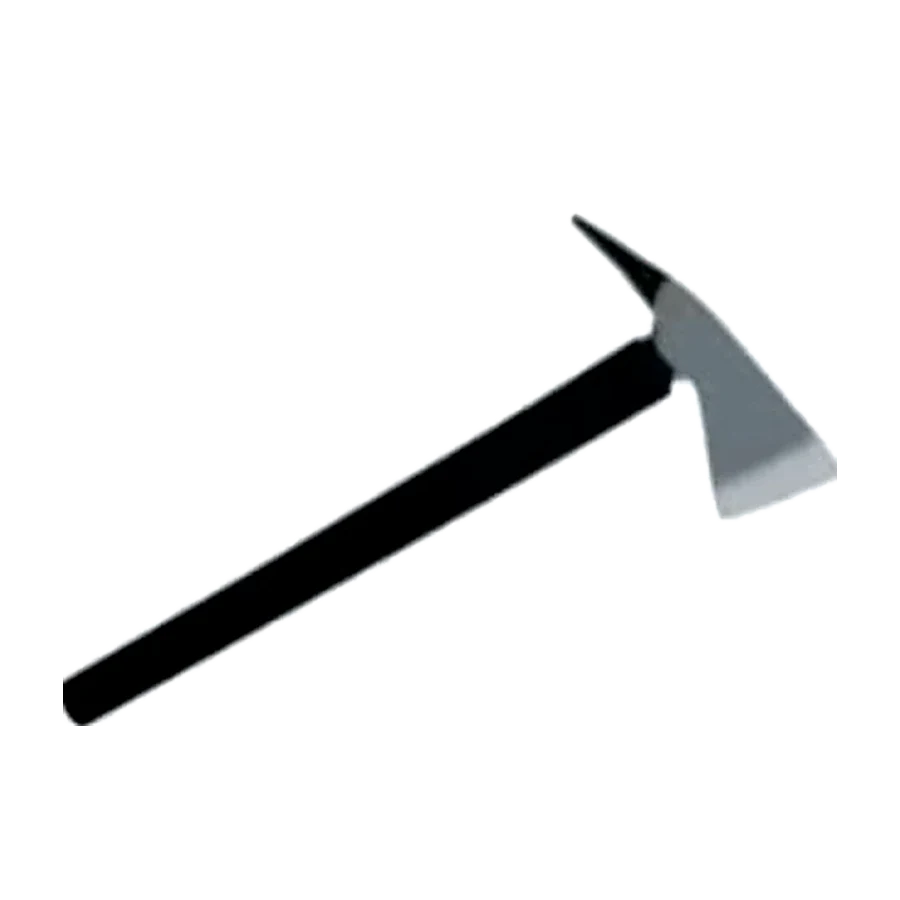
- Fireman axes
- Fire beaters
- Ceiling hooks
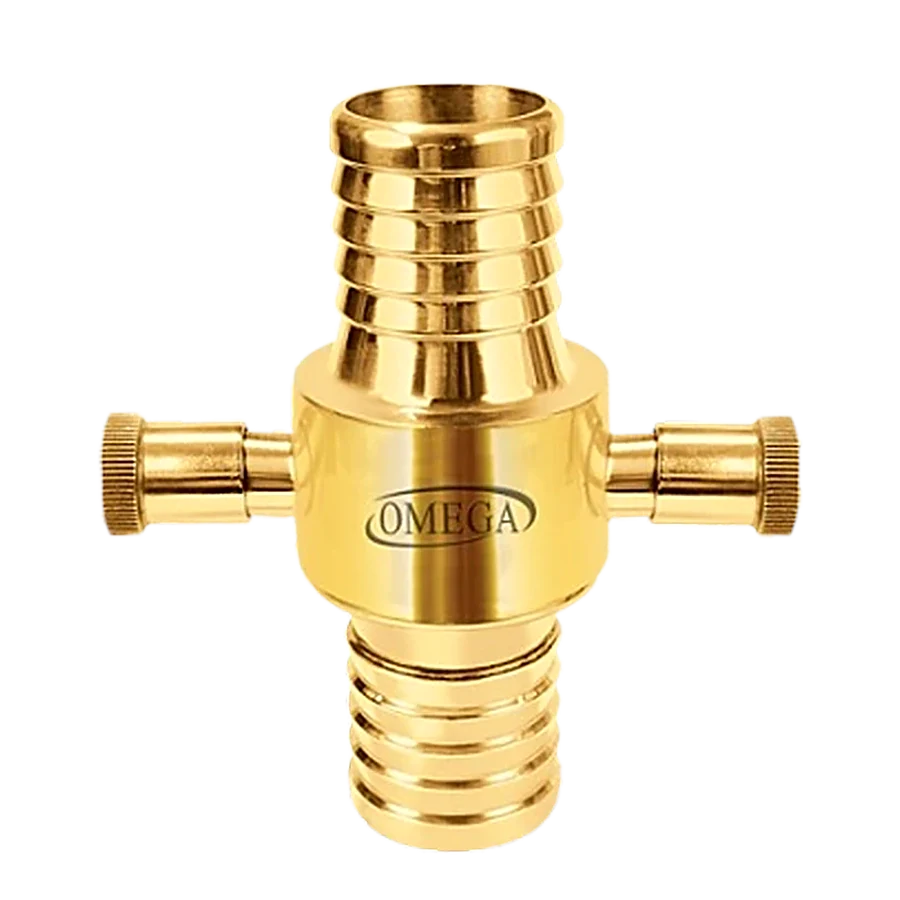
- Fire hose couplings and adaptors
- Hydrant accessories and rosette plates
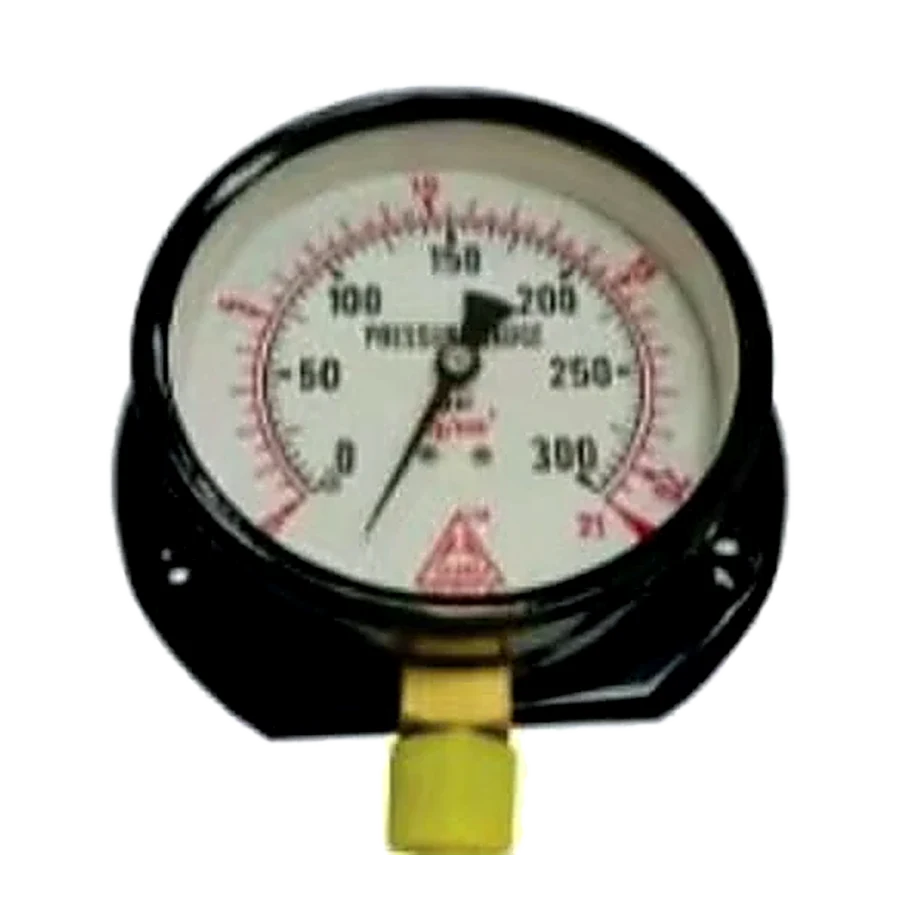
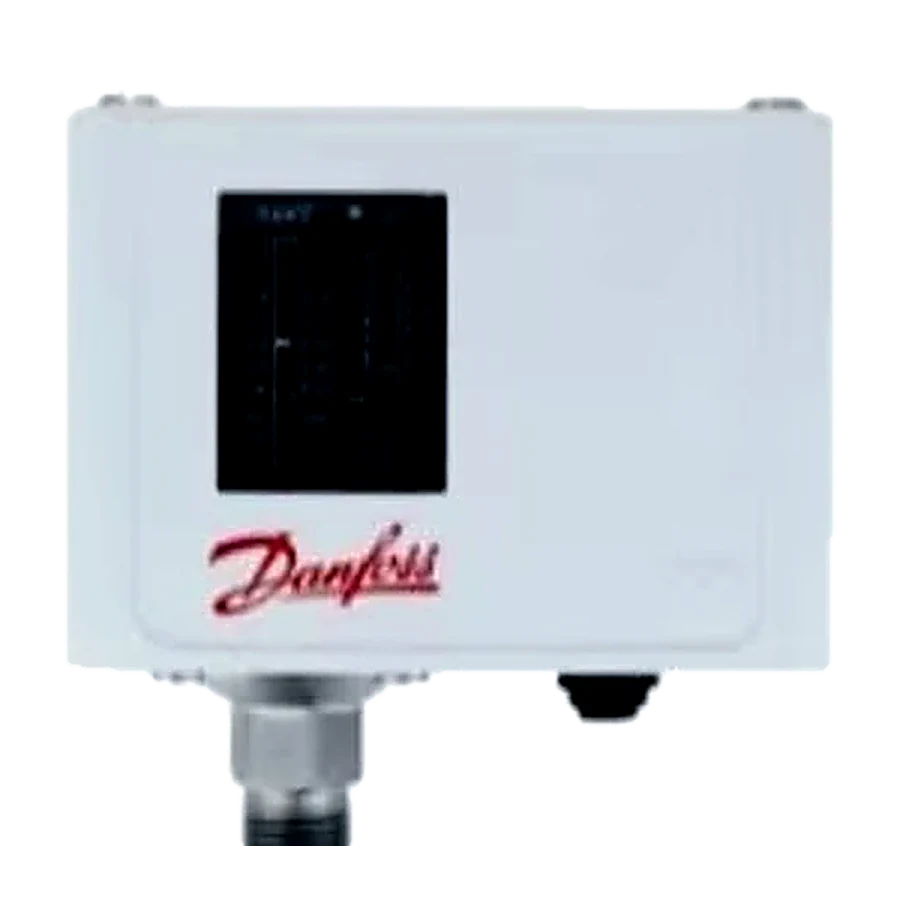
- Pressure gauges and pressure switches
- Butterfly valves and ball valves
- Firefighting system fittings
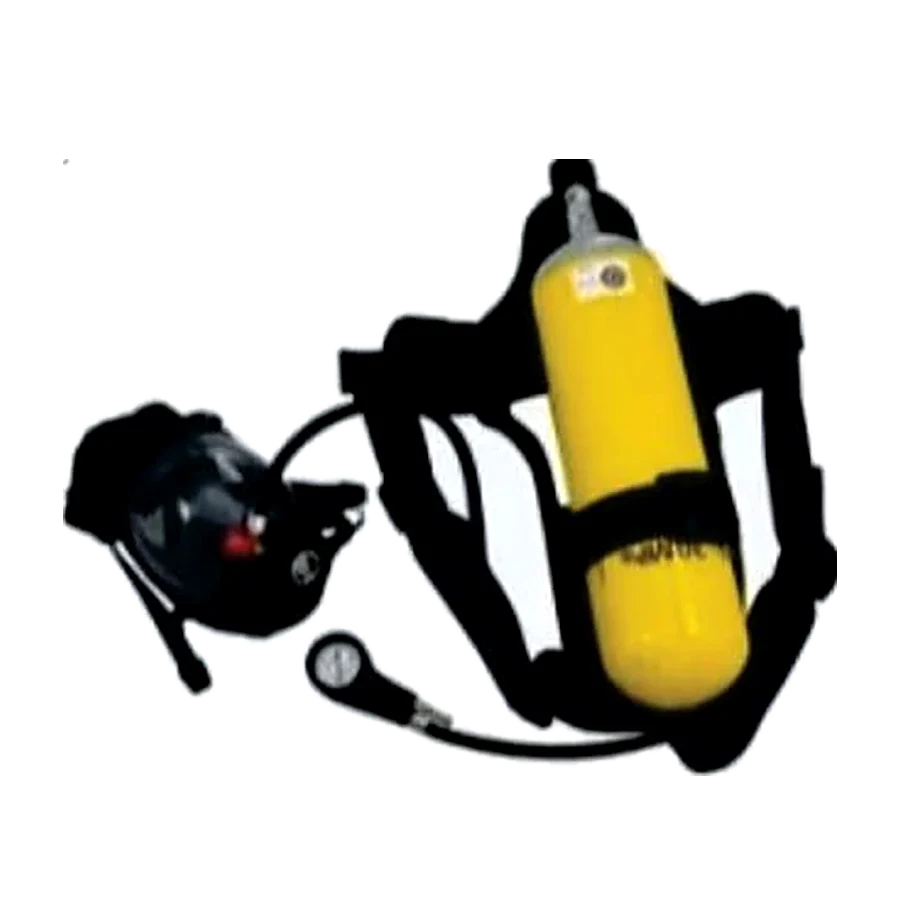
Some facilities may also require self-contained breathing apparatus (SCBA) and other specialist personal protective equipment. Trained personnel must select, inspect and use this equipment according to the manufacturer’s instructions and applicable safety procedures.
8. Firefighting Foam and Extinguishing Media
Firefighting systems use different extinguishing media for different hazards. The correct product depends on the fire class, equipment design and applicable environmental and safety requirements.
Relevant product categories may include:
- ABC dry chemical powder
- BC dry chemical powder
- Approved fire extinguisher refill powder
- AFFF foam concentrate, where appropriate and legally permitted
- Compatible foam branches and nozzles
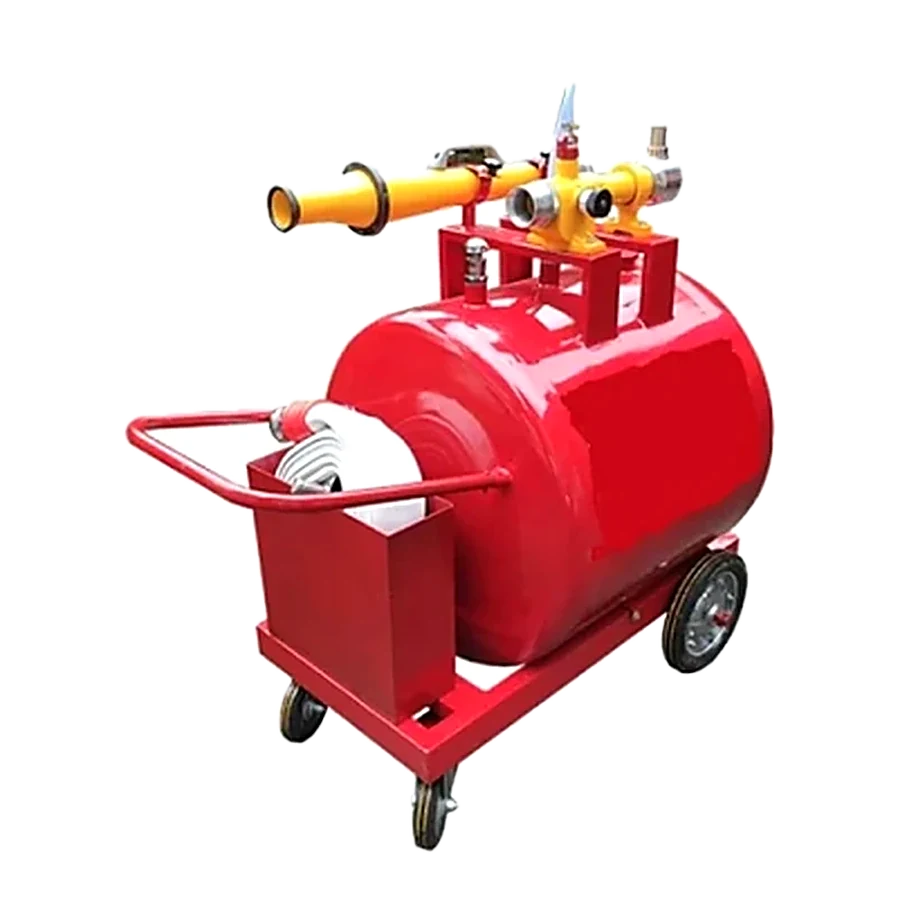
- Mobile foam units
- Foam-making equipment and accessories
Do not select extinguishing media based only on price. Confirm compatibility with the equipment and the intended fire hazard. For foam products, also check applicable environmental restrictions and product approvals.
9. How to Choose the Right Fire Safety Equipment
Before buying fire safety products for a building or facility, assess the site’s specific requirements.
Identify Fire Hazards
First, identify the combustible materials, electrical equipment, flammable liquids and other hazards present at the site.
Select Compatible Products
Next, choose equipment designed for those hazards. For example, an extinguisher for a cooking-oil fire differs from one intended for ordinary combustible materials.
Check Technical Specifications
Review product capacity, dimensions, pressure rating, materials, operating conditions and compatibility with existing installations.
Review Applicable Standards
Confirm the applicable fire safety regulations, standards, approvals and certification requirements for the building and equipment.
Plan Installation and Maintenance
Finally, arrange professional installation where required, regular inspection, testing and maintenance. Keep records and ensure staff understand emergency procedures.
10. Why Choose a Reliable Fire Safety Equipment Supplier?
A suitable supplier can help customers understand product specifications, compare available options and source compatible firefighting equipment.
When choosing a supplier, consider:
- Product availability and range
- Clear technical specifications
- Relevant product documentation
- Compatibility with your project requirements
- Support for quotations and bulk enquiries
- Access to maintenance information and replacement parts, where offered
For larger projects, consult a qualified fire protection professional before finalising equipment specifications.
About Max Fire Safety
Max Fire Safety is a fire safety and firefighting equipment business serving customers looking for products for commercial, industrial and building safety requirements.
The website, https://maxfiresafety.com/, is the place to explore available product categories and enquire about suitable equipment. Depending on the products listed, customers can investigate fire extinguishers, fire hydrant equipment, fire alarm and detection products, sprinkler systems, fire suppression solutions, gas detection instruments, firefighting hoses, valves, nozzles and related accessories.
If you are planning a new installation, upgrading an existing system or sourcing products for a project, review the relevant specifications and contact the team to discuss your requirements.
Frequently Asked Questions About Fire Safety Equipment
What products are included in fire safety equipment?
Fire safety equipment can include fire extinguishers, hydrant systems, fire alarm systems, smoke detectors, heat detectors, sprinkler systems, suppression equipment, gas detectors, firefighting hoses, nozzles, valves and emergency accessories.
Which fire extinguisher is suitable for an industrial facility?
The correct extinguisher depends on the site’s fire hazards and the extinguisher’s approved rating. A qualified fire safety professional can help determine the appropriate types and locations.
What is the difference between a fire alarm system and a fire suppression system?
A fire alarm system detects specified signs of fire and alerts occupants. A suppression system uses an extinguishing agent to control or suppress fire in a protected area.
What equipment does a fire hydrant system require?
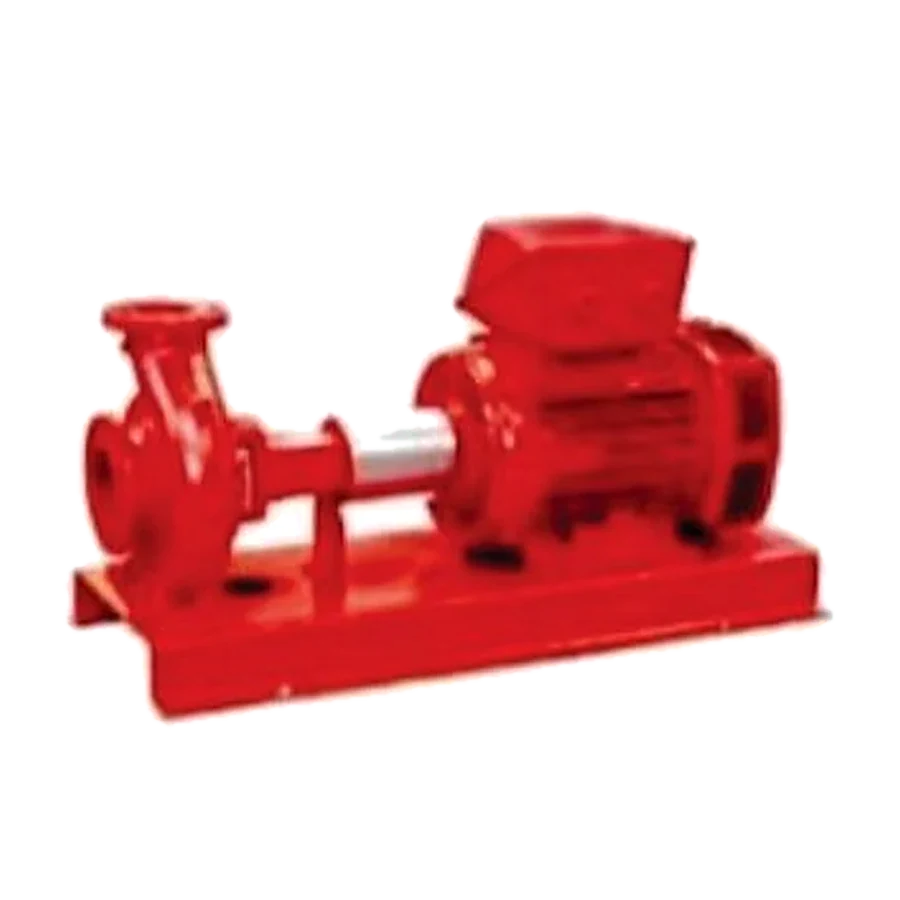
A hydrant system may require hydrant valves, hoses, hose boxes, branch pipes, nozzles, pumps, fittings and a suitable water supply. The exact arrangement depends on the approved design.
How do I select a fire sprinkler system?
Selection depends on the protected hazard, building layout, sprinkler type, water supply and applicable standards. Qualified professionals should design and install the system.
Where can I enquire about fire safety equipment in India?
Visit https://maxfiresafety.com/ to explore available products and contact Max Fire Safety regarding product specifications and quotations.
Conclusion
Fire safety requires the right combination of detection, warning, firefighting and supporting equipment. From fire extinguishers and fire alarm systems to hydrant valves, sprinkler heads, suppression products and gas detectors, each product serves a specific purpose.
Therefore, assess your site’s fire risks, verify equipment compatibility and follow applicable fire safety requirements before purchasing or installing any system.
Explore fire safety products at Max Fire Safety: https://maxfiresafety.com/ and contact the team to discuss your equipment requirements.
Follow US
https://www.instagram.com/maxmifiresafety_solution
https://www.youtube.com/@MAXMIFireSafetySolution
https://www.linkedin.com/in/maxmifiresafetysolution
https://www.facebook.com/maxmifiresafetysolution
More Pages